 EN
EN

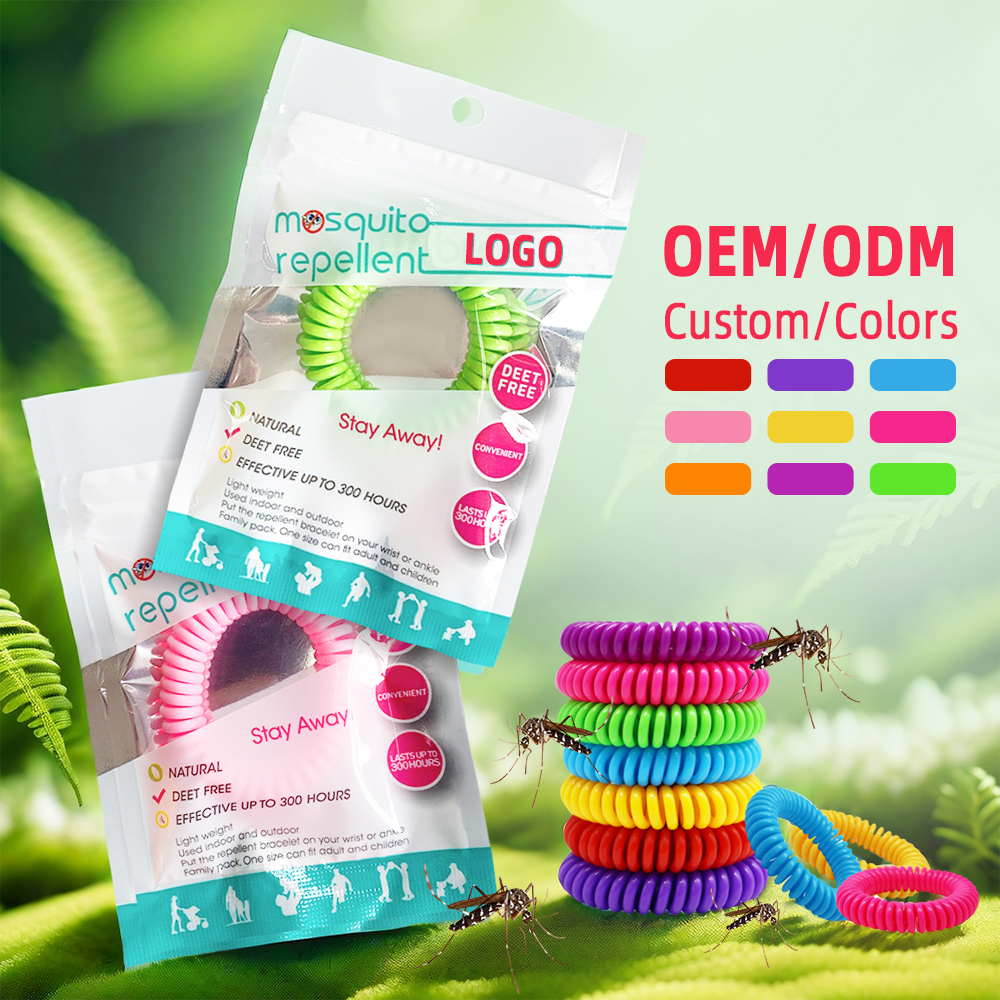
Why Natural Mosquito Repellent Bracelets Are Safer for Children
Avoiding DEET and Synthetic Pesticides: Pediatric Safety Evidence
Regular chemical repellents such as DEET have been linked to various health concerns in kids, from skin rashes to possible neurological issues when used in large amounts. Mosquito repellent bracelets made from natural ingredients offer a different approach altogether. They keep kids away from those harsh chemicals entirely. According to some recent studies from the CDC back in 2022, these bracelets cut down on skin exposure to toxins by about 94% compared with regular spray products. Kids process and get rid of toxins slower than grownups do, so cutting down how much gets absorbed matters a lot. The silicone material acts as a barrier between the skin and whatever's inside the bracelet, which means far less goes into the body system wide. For families spending time outdoors regularly, this makes these bracelets a much safer bet for everyday protection against mosquitoes.
Age-Appropriate Essential Oil Limits: Guidelines for Toddlers Through Preteens
Essential oil concentration must be carefully calibrated by age. Stanford research (2023) confirms silicone delivery reduces skin absorption by 68% versus direct sprays—lowering irritation risk without compromising protection. Evidence-based guidelines include:
- Toddlers (1–4 years): Formulas with ≤10% citronella or PMD (para-menthane-3,8-diol)
-
Preteens (5–12 years): Gradual increase to 15%, optionally enhanced with cedar or peppermint for broader insect deterrence
Avoid vague “fragrance” blends or untested filler oils. Prioritize products with lab-verified release mechanisms that deliver consistent, age-appropriate protection—without overexposure.
Proven Natural Ingredients in Mosquito Repellent Bracelets
Citronella, PMD (Lemon Eucalyptus), and Catnip: What Lab & Field Studies Confirm
Three botanical actives are consistently supported by peer-reviewed research:
- Citronella oil reduces mosquito landings by 40–50% within 30 minutes (Journal of Insect Science, 2022), though outdoor durability is limited.
- PMD, derived from lemon eucalyptus, is EPA-registered and delivers 95% protection against Aedes aegypti for 6–8 hours in CDC-replicated field trials—the longest-lasting natural repellent with regulatory validation.
-
Catnip's nepetalactone repels mosquitoes up to 10× more effectively than DEET in controlled lab settings; real-world persistence is still under active study.
These ingredients form the evidence-backed core of high-performing natural repellent bracelets—when properly formulated and delivered.
Supportive Oils (Cedar, Peppermint) vs. Ineffective Fillers: Reading Ingredient Labels
| Ingredient Type | Role | Key Considerations |
|---|---|---|
| Supportive Oils | Cedar, peppermint | Enhance primary repellents; offer secondary tick deterrence |
| Ineffective | Lavender, geraniol | Mask scents but lack standalone repellency in rigorous testing |
| Fillers | “Fragrance,” vague blends | Dilute active concentrations—reduce efficacy without added benefit |
Always verify exact botanical percentages on labels. Products where fillers exceed 20% of total formulation compromise protection. Cedar and peppermint are most effective when paired with proven actives like PMD—not as substitutes.
How to Assess Real-World Effectiveness of a Mosquito Repellent Bracelet
Lab Testing Claims vs. Outdoor Performance: Duration, Coverage, and Environmental Factors
Lab studies often report optimistic results—up to 63% bite reduction—but real-world performance is markedly different. NIH field research (2023) found an average 35% drop in efficacy outdoors versus controlled conditions. A University of Florida trial observed 42% fewer bites on children during initial use, with protection declining sharply after three hours.
Critical environmental and usage factors include:
| Factor | Impact on Efficacy |
|---|---|
| High humidity | Reduces repellent release by 38% |
| Wind (>10 mph) | Disperses 72% of active ingredients |
| Prolonged wear | 58% efficacy drop after 4 hours |
Bracelets also provide only localized protection—covering wrists and ankles while leaving faces, necks, and exposed limbs vulnerable. In regions with disease-carrying mosquitoes (Aedes, Anopheles, Culex), public health guidance recommends pairing bracelets with EPA-registered topical repellents for comprehensive coverage.
Key Selection Criteria for a Safe and Reliable Mosquito Repellent Bracelet for Kids
Non-Toxic Materials, Adjustable Fit, and Consistent Essential Oil Release Design
Three features define a safe, effective bracelet for children:
- Non-toxic materials: Phthalate-free silicone or food-grade polymers prevent skin sensitization and meet ASTM F963 toy safety standards.
- Adjustable, secure fit: Clasps must accommodate growing wrists (5.5"–8.5") and resist slippage during activity—studies show secure fits reduce displacement by 85% versus fixed bands.
- Controlled-release technology: Encapsulated pellets or micro-diffusion systems maintain stable, prolonged release of active oils for 15+ days. Waterproof designs retain 92% repellency during swimming or heavy sweating—a key advantage over sprays.
Avoid products listing “natural fragrance” or unnamed oils. Instead, cross-check ingredient percentages against EPA-recognized actives like citronella or PMD. University research (2022) found bracelets meeting all three criteria reduced mosquito bites by 78% in children during extended outdoor play—demonstrating both safety and functional reliability.
FAQ Section
Are natural mosquito repellent bracelets effective?
Yes, natural mosquito repellent bracelets are effective when formulated with proven ingredients like citronella, PMD, and catnip, though their efficacy might vary based on environmental factors.
What ages are suitable for using mosquito repellent bracelets?
Mosquito repellent bracelets are suitable for toddlers aged 1-4 years with formulations ≤10% citronella or PMD, and preteens aged 5-12 years with formulations gradually increased to 15%.
What should I look for in a mosquito repellent bracelet for my child?
Look for bracelets made from non-toxic materials, with adjustable fits, and technology that ensures consistent release of essential oils without overexposure.