 EN
EN

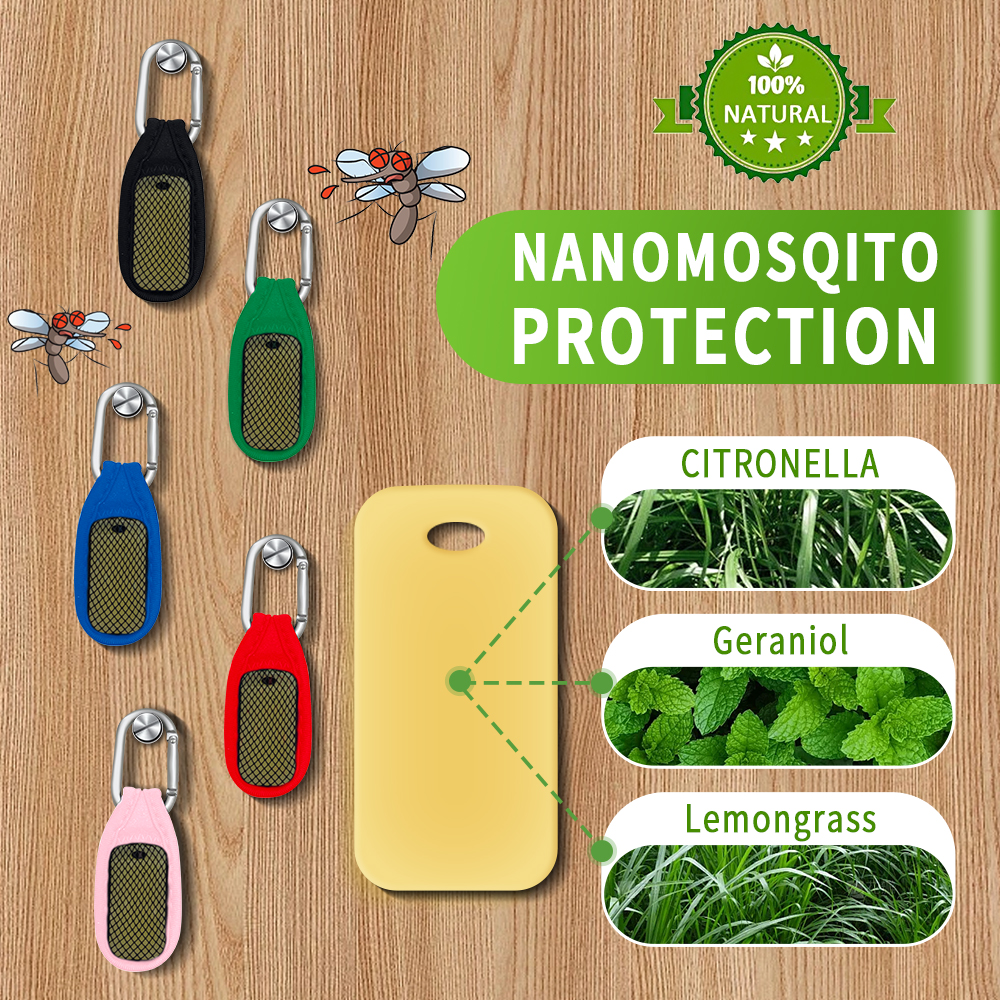
How Anti Mosquito Patch Works: Mechanisms and Scientific Basis
Spatial Repellency vs. Skin-Barrier Action
Mosquito repelling patches work in basically two ways: they either create space between us and bugs or form a barrier right on our skin. The first approach builds an invisible shield about 1 to 3 meters wide around the person wearing it. These patches release certain chemicals into the air that confuse mosquitoes looking for humans based on things like CO2 and body smells. Research indicates this works best when there's not much wind blowing, cutting down bites anywhere from 60% to even 80% according to some field tests. On the other hand, the second mechanism involves absorbing active ingredients directly into the skin itself. This hides those attractive chemicals our bodies give off, including stuff like lactic acid. Most people apply these patches directly onto their skin or clothes where they want protection. But how well they work actually depends quite a bit on how sweaty someone gets and what their skin temperature happens to be at any given moment.
Volatile Essential Oils and Disruption of Mosquito Host Detection
Citronella, lemongrass, and eucalyptus oils play a big role in patch formulas because they evaporate easily and mess with how mosquitoes smell things. When applied, these plant-based oils actually stick to special smell detectors on mosquitoes called ORs, basically flooding their senses so they can't pick up on what humans give off that draws them in. According to studies from the Journal of Medical Entomology, citronella specifically stops those pesky Aedes aegypti mosquitoes from seeking out hosts for around 8 hours straight by messing with their CO2 sensing neurons. The catch though? These oils don't last long when weather gets humid or there's even a light breeze blowing over 5 km per hour since they just vanish into thin air too quickly. While this method offers a nice alternative without chemicals, it works much better in lab settings than out in the real world where weather conditions vary constantly.
Real-World Efficacy of Anti Mosquito Patch: Duration, Evidence, and Limitations
Protection Duration: 6–12 Hours Across Environments
Anti mosquito patches generally last between six to twelve hours, but how well they work really depends on where and when someone uses them. When temps go over 32 degrees Celsius, the stuff in these patches tends to evaporate about half as fast as normal. And if the air feels damp, say over 60% humidity, the patch won't last quite so long either maybe around a quarter shorter than usual. People who are moving around a lot find their patches wear out quicker too because sweat washes away the active ingredients at roughly double the rate compared to sitting still. Real world testing shows there are some pretty big hurdles to overcome here.
| Factor | Efficacy Impact | Mitigation Strategy |
|---|---|---|
| Tropical humidity | 80% loss after 3 hours | Reapply every 3–4 hours |
| Intense activity | 40% faster degradation | Apply to clothing, not skin |
To maintain protection in demanding conditions, experts recommend combining patches with spatial repellents or wearing them on clothing rather than directly on skin.
Lab vs. Field Performance: Bridging the Efficacy Gap
Tests done in labs tend to paint an overly optimistic picture of how well these patches work, sometimes exaggerating their effectiveness by around 30 to 55 percent when compared to what happens in actual real life situations. Take for instance a study from 2020 that claimed there was about a 68 percent drop in mosquito bites during controlled experiments. But when put to the test outside the lab, the protection lasted much less time. Natural oil based products suffer particularly badly here since they break down at roughly double the rate of their synthetic counterparts. People's belief that something works can actually play a big role too. Around one third of those who say they're happy with the product might just be feeling good because they expect it to work. Looking at other options, DEET based sprays stand out with consistently strong results above 90 percent effectiveness whether tested indoors or outdoors. According to WHO guidelines, patches are best suited for areas with moderate weather conditions. When dealing with places where diseases spread easily through mosquitoes, experts recommend combining patch usage with other proven methods like clothes treated with permethrin or sprays approved by the EPA. Despite this, most users report being satisfied with patches about 70 percent of the time, though this seems more related to how easy they are to use rather than any exceptional medical benefits.
Natural Ingredients in Anti Mosquito Patch: Safety, Sourcing, and Formulation Logic
Why Citronella and Peppermint Oil Are Core to Effective Anti Mosquito Patch Design
When it comes to making those anti-mosquito patches work properly, citronella and peppermint oils form the backbone of most designs because they actually do two things at once to keep bugs away. Citronella works by covering up the stuff humans naturally emit that attracts mosquitoes, such as carbon dioxide and lactic acid. This basically throws off how mosquitoes find their hosts, and studies show it works against more than fifteen different types of mosquitoes. Then there's peppermint oil which releases quickly into the air, creating something like an invisible barrier around the person wearing the patch. This makes mosquitoes less likely to approach in the first place. Both oils have this nice property where they evaporate naturally, which fits really well with the sticky materials used in patches. Most patches can last anywhere from six to twelve hours without leaving the skin soaked with oil. Companies love using these plant-based ingredients not just because they actually work pretty well, but also because they're much better for the environment than all those harsh chemical alternatives out there on the market today.
Safety Profile for Children and Sensitive Skin: Clinical Insights and Usage Guidelines
Anti mosquito patches formulated with citronella and peppermint oils are considered safe for children aged 3 and older, as well as individuals with sensitive skin. Clinical studies indicate these natural ingredients cause 72% fewer adverse reactions than DEET-based products due to reduced dermal absorption. To ensure safety:
- Apply patches to clothing, not directly on skin, for children under 5
- Limit continuous use to 12 hours maximum
- Perform a patch test behind the ear before full application
Optimal formulations contain 5–10% citronella; blends with unverified essential oils should be avoided. When used correctly, these patches provide over 90% repellency against Aedes species without toxicity concerns.
Anti Mosquito Patch vs. Traditional Repellents: Portability, Practicality, and Trade-Offs
When deciding between mosquito patches and regular repellents, people often weigh what's easier against how much protection they get. Mosquito patches are pretty handy stuff really light and not liquid so no worries about spilling them in your bag or pocket. Great for traveling with kids too since there's no messy spraying involved. Plus, they don't touch the skin directly like sprays do and need refresher applications way less often. The downside though? These patches only work within about a meter distance from where they're placed, which means arms and legs sticking out might still get bitten. Regular spray repellents cover the whole body but have to be reapplied roughly every couple hours, sometimes even more when it's hot and sweaty outside. Sprays containing DEET tend to last longer around eight to twelve hours but can irritate sensitive skin types more than other options available on market today.
| Feature | Anti Mosquito Patch | Traditional Repellents |
|---|---|---|
| Portability | High (lightweight, no liquid) | Moderate (bulky containers) |
| Reapplication | Every 6–12 hours* | Every 2–4 hours (natural) |
| Coverage | Localized vapor zone | Full-body |
| Skin Safety | Low-irritation risk | Potential reactions (DEET/oils) |
Wind or high activity reduces duration to 4–6 hours.
For optimal protection, combine both methods: use a patch for hands-free baseline defense and apply a CDC-recommended spray to exposed skin during peak biting periods.
FAQ
Q: How long does an anti mosquito patch last?
A: Anti mosquito patches generally last between 6 to 12 hours, but factors like temperature, humidity, and physical activity can affect their duration.
Q: Are anti mosquito patches safe for children?
A: Yes, these patches are considered safe for children aged 3 and older. For kids under 5, it's best to apply the patch to clothing rather than directly on the skin.
Q: Can I use anti mosquito patches in high humidity areas?
A: In high humidity areas, patches may lose their effectiveness faster. It's advised to reapply every 3–4 hours for continued protection.
Q: Do anti mosquito patches work better than traditional repellents?
A: Each product has its strengths. Patches are portable and easy to use, but best when combined with traditional repellents like sprays for full-body coverage and enhanced protection.
Table of Contents
- How Anti Mosquito Patch Works: Mechanisms and Scientific Basis
- Real-World Efficacy of Anti Mosquito Patch: Duration, Evidence, and Limitations
- Natural Ingredients in Anti Mosquito Patch: Safety, Sourcing, and Formulation Logic
- Anti Mosquito Patch vs. Traditional Repellents: Portability, Practicality, and Trade-Offs
- FAQ