 EN
EN

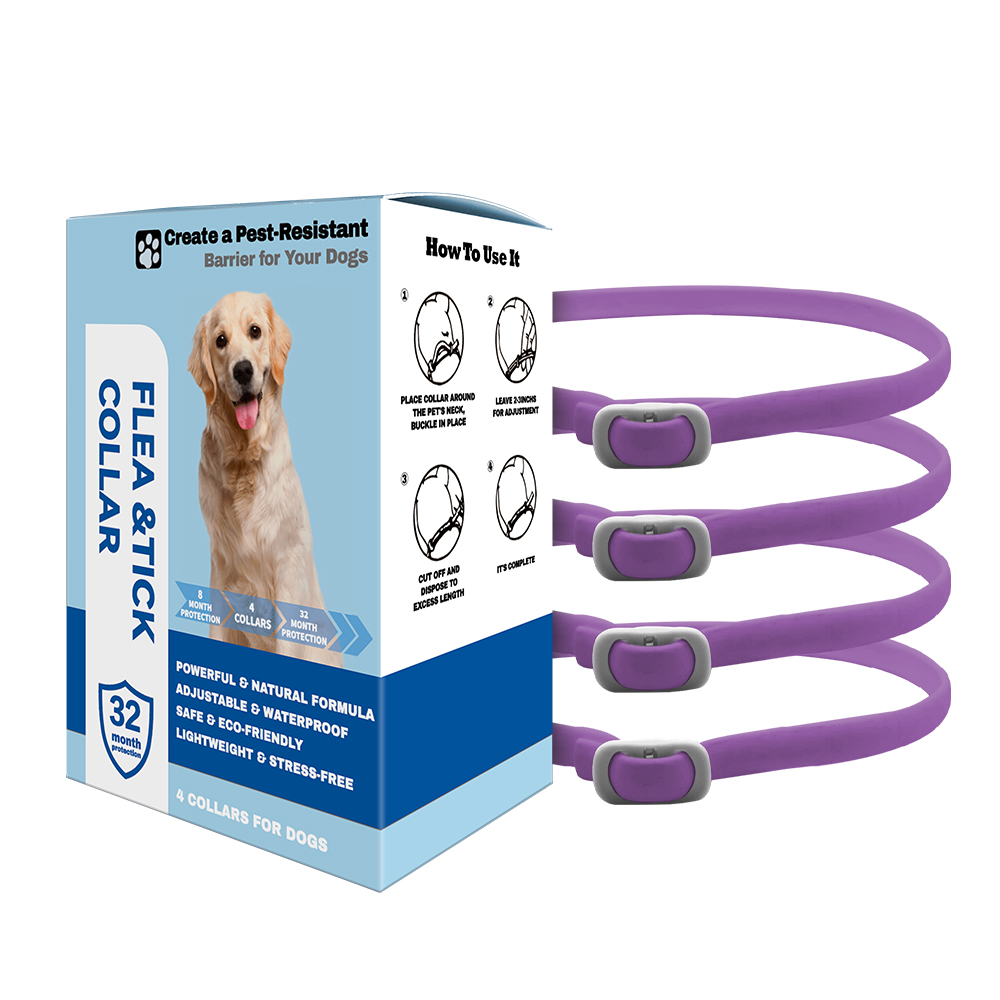
Regulatory Compliance and Physical Safety Design
EPA Registration and Dog-Specific Formulation
Flea collars in the US fall under EPA regulations as pesticide products, which means companies need to show they're both safe and effective before getting approved for sale. Formulations specifically for dogs matter a lot because certain ingredients work fine for our four-legged friends but can be deadly to cats even if they just touch them indirectly. Companies have to prove their controlled release tech keeps the active ingredients at therapeutic levels while staying within what's considered safe for pets. Looking at data from a recent veterinary toxicology study back in 2022, around 38 percent of all pet poisoning cases related to pesticides were traced back to incorrect formulations. This shows just how critical it is to get the dosage right based on how dogs actually process these chemicals in their bodies.
Breakaway Mechanism and Proper Fit to Prevent Choking or Chewing
When it comes to keeping pets safe, there are really two important design elements worth noting. First, breakaway buckles that pop open when around 5 to 7 pounds of pressure is applied can stop strangulation accidents before they happen. Second, adjustable sizing makes sure there's enough space between the collar and dog's neck so fingers can fit through easily. Getting this right cuts down on choking risks and also helps prevent dogs from chewing on their collars, which leads to serious problems when they swallow pieces. The numbers back this up too veterinary hospitals have seen about a three quarters drop in collar related injuries since breakaway models became standard. Pet parents need to check their dog's collar fit every week or so and swap it out as soon as they spot any teeth marks. This simple step stops those dangerous chemicals from getting released accidentally into the environment.
Active Ingredients and Controlled-Release Technology in Anti Flea Collar
How Dermal Absorption and Time-Released Actives Enhance Safety & Efficacy
The latest generation of anti-flea collars works differently from what we've seen before. They contain special materials that slowly release tiny amounts of medication through the skin's outer layers. This keeps protective levels in place without overwhelming the body system wide. Most pet owners know the hassle of monthly flea treatments, but these collars just need to be replaced every few months. They continuously put out stuff like imidacloprid for around 6 to 9 months straight. Studies show this approach makes things much safer for pets too, cutting down on toxic effects by almost 90% compared to those one-time dose treatments. Plus there's less chemical runoff polluting the environment. Another big plus is that these collars avoid those sudden spikes in medication concentration which can sometimes cause allergic reactions. When made correctly, they manage to keep fleas paralyzed continuously while remaining completely safe for mammals. Field tests have shown effectiveness rates reaching as high as 95% in properly designed products.
Safe vs. Risky Chemical Classes: Imidacloprid, Flumethrin, and Isoxazolines Explained
The whole idea behind pet safety in pest control comes down to something called selective toxicity, basically targeting those pesky insect nervous systems while keeping our furry friends safe. Take imidacloprid, which has EPA approval for good reason. This stuff works by blocking flea neural receptors, and interestingly enough, only about 0.1% gets absorbed through dog skin when applied topically. Then there's flumethrin that messes with tick sodium channels, but watch out if you have cats around since they lack proper glucuronidation processes in their bodies, making them vulnerable to serious side effects. The newer generation of isoxazolines like fluralaner are pretty amazing at knocking out even resistant fleas, but veterinarians often stress the need for close neurological monitoring, particularly important for dogs who've had seizures before treatment starts.
| Class | Safety Profile | Precautions |
|---|---|---|
| Imidacloprid | Low systemic absorption | Safe for puppies >7 weeks |
| Flumethrin | Cat-toxic through grooming transfer | Avoid multi-pet households |
| Isoxazolines | Optimal efficacy with neurological monitoring | Contraindicated in epileptic dogs |
When manufacturers adhere to species-specific concentration limits, adverse reaction rates fall below 0.3%, per veterinary toxicology studies.
Real-World Safety Considerations for Dogs and Households
Household Exposure Risks: Residue Transfer to Children, Cats, and Surfaces
Flea collar treatments work by releasing chemicals onto a pet's skin, which can leave behind residue on things like pillows, couches, even our own hands when we touch them. This becomes a real problem for families with multiple pets or small kids running around. The numbers are pretty alarming too - studies indicate that around three out of four cats who come into contact with dog-specific flea products end up experiencing some form of nervous system issues, usually because they share beds or groom each other. Kids tend to get exposed most often since they naturally want to play with and touch their pets. According to recent findings, simply petting a dog that's been treated can transfer harmful substances to human hands faster than what the Environmental Protection Agency considers safe limits. To stay safe at home, it makes sense to keep treated animals away from favorite spots where others might sit or lie down, plus make sure everyone washes up properly after spending time with their furry friends.
Recognizing and Responding to Adverse Reactions in Dogs
When pets have mild reactions to collars, owners often notice red spots or patches where fur comes out around the neck area. Some animals might also throw up, seem sleepy all day, or just stop eating normally. If things get serious with shaking muscles or wobbly walking (that's what vets call ataxia), take off the collar right away and rush to the vet clinic without delay. For minor issues, washing the irritated skin with gentle soap helps a lot. Watch how they breathe carefully for those first two days after contact. Most folks report that their pets bounce back pretty quickly actually - studies show about 9 out of 10 cases clear up within three days if treated early enough. Always make sure we know where our local animal hospital is located in case something goes wrong unexpectedly.
Veterinary Guidance and Contextual Risk Factors for Anti Flea Collar Use
When Age, Health Status, or Life Stage Contraindicate Use
Young puppies (under seven weeks old), older dogs, pregnant or nursing females, and animals dealing with organ problems or seizures are at higher risk when exposed to substances like imidacloprid. Getting a vet checkup before treatment makes sense here. A recent study back in 2023 showed something interesting: nearly two thirds of bad reactions happened in dogs whose owners didn't know they had health issues beforehand. For dogs who need extra care, there might be better options available. Some pet owners find that spot-on treatments work just fine while being easier to adjust according to their pet's needs. And remember to tell the vet everything about what medications the dog has been taking lately. Certain combinations with pain relievers or steroid treatments can make things much worse for the animal if not properly managed.
Avoiding Counterfeits and Misuse: Critical Safety Pitfalls
Around 47% of all incidents reported to the EPA in 2024 involved fake pet collars loaded with unapproved pesticides. To check if a collar is genuine, look for those batch numbers from the manufacturer. Buying from unauthorized sellers online makes it almost impossible to confirm what's actually inside those products. Cutting up or modifying collars to change how much medicine they release is a bad idea. Doing so breaks the whole point of controlled release technology and can lead to pets getting way too much medication at once. Take off collars when going near water since chemicals tend to wash out faster when wet. Keep an eye on pets who might try to chew on them. For leftover collars, store them somewhere kids can't reach. These isoxazoline chemicals stick to fingers and furniture pretty easily after handling.
FAQ Section
-
What happens if my cat comes into contact with a dog-specific flea collar?
If your cat comes into contact with a dog-specific flea collar, it may experience nervous system issues. Cats lack the enzymes necessary to process certain chemicals that are safe for dogs, making it crucial to avoid allowing them to interact with treated dogs. -
Are there specific age restrictions for using flea collars on dogs?
Yes, flea collars are generally considered safe for puppies over seven weeks old. Puppies younger than this should not be exposed to flea collars and should be checked by a vet for alternative solutions. -
How can I tell if my dog's flea collar is genuine?
Genuine flea collars will have batch numbers from the manufacturer. It's important to purchase these products from authorized retailers to ensure authenticity and safety. -
What signs should I watch for if my dog has an adverse reaction to a flea collar?
Signs of an adverse reaction include red spots around the collar area, vomiting, lethargy, and lack of appetite. Severe symptoms like muscle shaking or unsteady walking require immediate removal of the collar and veterinary attention. -
Can flea collars pose any risk to children in the household?
Yes, children can be exposed to chemicals from flea collars by touching the pet or the objects the pet has come into contact with. To reduce risks, keep treated pets away from areas where children play and ensure children wash their hands after interacting with pets.