 EN
EN

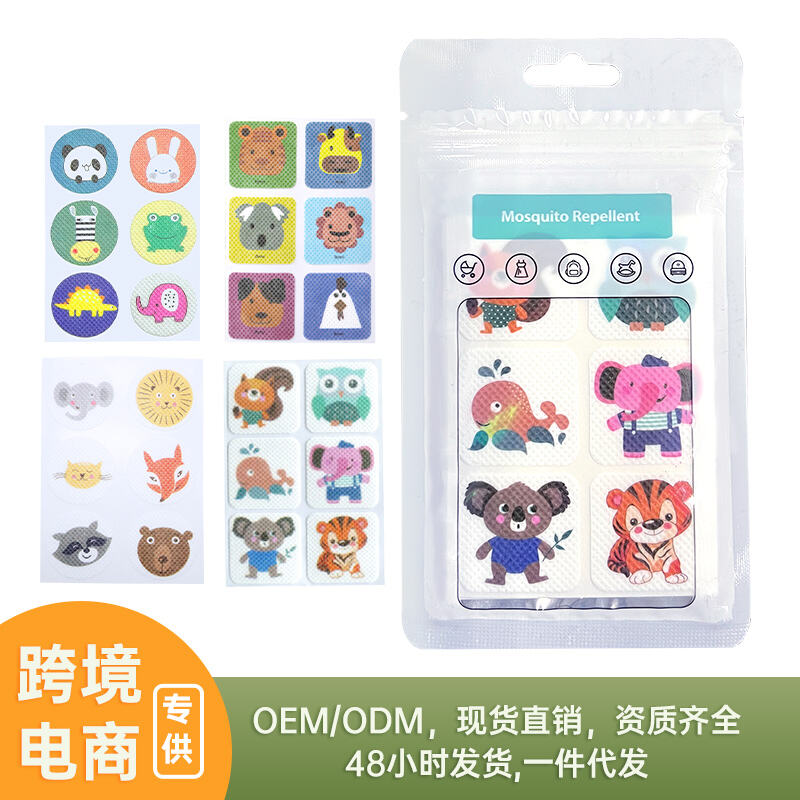
למה גזרות נוגדות יתושים בטוחות לתינוקות דורשות סטנדרטים ייחודיים של תרכובות
גבולות רגולטוריים: הגבלות גיל של האגודה האמריקאית לפדיאטריה (AAP), המרכז לבקרת מחלות (CDC) והאגף להגנת הסביבה (EPA) על חומרים פעילים מוחלים על העור (למשל: שמן לימון אסנציאלי – OLE, דיט, DEET)
תרכובות לפלסטרי דחיית יתושים לתינוקות פועלים תחת גבולות רגולטוריים קפדניים בשל החשיפה המוגברת של התפתחותם. האקדמיה האמריקאית לרפואת ילדים (AAP) אוסרת את השימוש ב-DEET בתינוקות מתחת לגיל חודשיים, בעוד שהמרכז לבקרת מחלות (CDC) ממליץ להימנע משימוש בשמן אוכליפטוס לימון (OLE) עד גיל שלוש שנים — שתי האיסורים מבוססים על סיכונים מתועדים של נוירוטוקסיות והפרעות בעור הנגרמים על ידי חומרים פעילים טופיקליים שחדרים דרך מחסומים אפידרמיים לא בשלמים. הסוכנות האמריקאית להגנת הסביבה (EPA) דורשת בנוסף בדיקות קפדניות לדיוחים נגד יתושים המיועדים לתינוקות, ודורשת מהיצרנים להוכיח ספיגה סיסטמית זניחה. אילוצים אלו מחייבים אסטרטגיות ייחודיות ליצירת תרכובות — במיוחד במערכות מסירה عبر העור כגון פלסטרים — אשר נבדלות באופן יסודי ממוצרים המיועדים למבוגרים.
פיזיולוגיה של עור התינוק: אפידרמיס דק, שיעור ספיגה גבוה וסיכונים הקשורים לעצירת מטבולית
לעור התינוק יש אתגרים פיזיולוגיים ייחודיים להובלת חומרים דוחים בבטחה. האפידרמיס של תינוקות הוא רק ב-40–60% מקשיותו של עור בוגר, מה שמגביר את קצב הhaplata של כימיקלים ב-200–300%. חדירות זו מתלווה לעיכוב במטבוליזם: לתינוקות אין מערכות אנזימיות של ציטוכרום P450 בשלמותן, מה שמגביל את יכולתם לנטרל ולפנות חומרים זרים. כתוצאה מכך, רכיבים שמתאימים לבוגרים עלולים להתפזר בריכוזים קליניים רלוונטיים אצל תינוקות. כדי למזער את הסיכון, יצרנים חייבים לתת עדיפות לדבקים שאינם אוקלוזיביים ובטכנולוגיות של מיקרו-אינקפסולציה שמביאות לשליטה מדויקת על קצב השחרור — כדי למנוע הרוויה דרמית תוך שמירה על פעילות דוחה יעילה.
רכיבים טבעיים מאומתים לייצור תוספות דוחות יתושים (OEM)
מרכיבים פעילים עם תמיכה קלינית: סיטרונלה מואנקלפת, שמן סויה ונגזרות של ויטמין B1
מרכיבים פעילים טבעיים שעברו אימות קליני מספקים בסיס בטוח יותר למדבקות נוגדות יתושים לבabies. שמן ציטרונלה מוקף (אינקפסולציה) מפריע לנווט התיישנות של היתושים על ידי החשפת ריחות האנושיים, ומחקרים שפורסמו בדפוסי עיון עמיתים מאשרים את פעילות הדחייה שלו במגוון מינים. שמן סויה פועל כמונע פיזי, המפחית את תדירות הנחיתה ללא חדירה לעור. נגזרות של ויטמין B1 (תיאמין) מתחלקות לתרכובות שנפלטות דרך העור ומשנות את פרופיל הריח של הגורם – מה שהופך את התינוקות לקטנים פחות לזיהוי על ידי חרקים נושכים. ניסויים קליניים תומכים בהגנה של 2–4 שעות כאשר המרכיבים הפעילים מועברים דרך מערכות שחרור מבוקר. לייצור OEM, האינקפסולציה היא חובה: היא מבטיחה דוזה עקבית, ממזערת מגע ישיר עם שמן נדיף, ומשפרת את היציבות בתנאי סביבה שונים.
מלכודות מרכיבים: למה 'טבעי' ≠ בטוח – חוסר יציבות של שמן קרוב וiritציה של הדבק בפיתוח פלסטרי דחיקה נגד יתושים
המונח „טבעי“ אינו שקול למונח „בטוח“ לתינוקות — ושמן cloves הוא דוגמה מובהקת להבחנה קריטית זו. התוכן שלו באוגנול גורם לרגישות עורית ב-18% מתינוקות מתחת לגיל 12 חודשים, והאי-יציבות החמצונית שלו גורמת לאובדן מהיר של היעילות שלו בסביבות לחות. באופן דומה, בחירת הדבק מהווה סיכון שאינו מוערך כראוי: דבקים מבוססי אקרילט — המשמשים ב-74% מהגזרות המסחריות — נושאים סיכון גבוה לדלקת מגע על העור הרגיש של תינוקות. לכן, דבקים היפואלרגניים ברמה רפואית הם הכרחיים. גם הנסיחות פוגעת בביצועים: שמן أساسي לא מקופל מתאדה במהירות, ומקצר את חלונות ההגנה. טענות לבטיחות דורשות אימות — ולא שפה שיווקית — אלא בדיקות ספציפיות לתינוקות על הגזרות, ואימות צד שלישי לתקנים ISO 10993-10 (הiritation) ו-ASTM F2170 (עמידות הדבק). אלרגנים בוטניים כגון קמומיל חייבים להיות מוצגים לחלוטין.
חדשנות ביישום לא טופיקלי: פתרונות של דיסקים מותאמים לדחיית יתושים באמצעות אספקה באוויר למיטות תינוקות, לעגלות ולבגדים
מדבקות דוחי יתושים המפוזרות באוויר מייצגות שינוי פרדיגמה בהגנה על תינוקות - ביטול מגע עורי לחלוטין תוך יצירת אזורי דחייה מרחביים סביב עריסות, סוככים לעגלות ובגדים. מערכות אלו משחררות חומרים פעילים מאדים לסביבה הקרובה, ויוצרות חיץ מגן במהלך השינה או פעילות חיצונית. ההצלחה תלויה בהנדסה מדויקת: קצב פיזור האדים חייב לאזן בין יעילות לבין גירוי פוטנציאלי בדרכי הנשימה אצל תינוקות, שמערכות הנשימה שלהם רגישות יותר לחומרים נדיפים הנישאים באוויר. רכיבים בוטניים ארוזים בקפסולות מיקרו מאפשרים שחרור יציב ומתמשך - אך היעילות נותרת תלויה במרחק, כאשר נתוני שטח מראים הגנה מופחתת מעבר לרדיוס של מטר אחד וביצועים מופחתים בסביבות עם רוחות חזקות או מאווררות בצורה גרועה. מיקום אסטרטגי ליד אזורי נשימה הוא חיוני. תכנון ההידבקות חייב גם למנוע בליעה או ניתוק מקריים, ולהבטיח תפוקה עקבית לאורך מחזור שינה של 8 שעות ללא שאריות או פגיעה בעור הקשורה לשאריות.
מפת דרכים לציית OEM: רישום EPA, בדיקת יציבות ואישור תקופת השימוש של פלטסים דוחפים יתושים
השקעה של פלטש מונע יתושים בטוח לתינוקות דורשת דבקות במסגרת תאימות מרובה רמות. הסוכנות האמריקאית להגנת הסביבה (EPA) מחייבת רישום לכל המוצרים המניעים, בהערכה של יעילות לבריאות הציבור והסיכון של רעילות לפיתוח, במיוחד עבור תרופות המיועדות לילדים מתחת לגיל שנתיים. מעבר לרשום, יצרנים חייבים לבצע בדיקות יציבות כדי לאמת את שלמות המרכיב הפעיל על פני מתח טמפרטורה ולחות, ולבצע אימות תקופת יציבה כדי לאשר את הביצועים המודגמים בתנאי אחסון אמיתיים.
פרוטוקולים של בדיקות ספציפיות לילדים: שמירה על שמן נדל"ן, שלמות הדבקה והזדקנות מואצת עבור פלטרים בטוחים לתינוקות
פרוטוקולי בדיקה עבור מדבקות המיועדות לתינוקות חורגים הרבה מעבר לסטנדרטים סטנדרטיים לדחיית חומרים. יש לכמת את אצירת השמן הנדיף בתנאי חום/לחות מואצים (למשל, 40°C/75% לחות יחסית), מכיוון שחומרים פעילים טבעיים כמו ציטרונלה מתפרקים במהירות ללא התייצבות. שלמות ההידבקות מוערכת באמצעות מבחני קילוף מכניים על מצעים המדמים תינוקות - כולל סיליקון המחקה עור לא בוגר ובדים נפוצים כמו כותנה ופוליאסטר - כדי להבטיח חיבור בטוח ללא שאריות או טראומה לאחר ההסרה. הזדקנות מואצת - המבוצעת בתאים תרמיים החשופים לקרינת UV - מדמה 12-24 חודשי חיי מדף בשבועות, תוך ניטור פירוק כימי, זחילת דבק או קרע בכמוסה. חשוב לציין, הערכות אלו מחליפות את הביו-אסאיים המסורתיים של זרוע אנושית בכלוב, שאינם אתיים ואינם רלוונטיים לפורמטים דוחי מרחב שאינם לשימוש מקומי. המטרה נותרת עקבית: להבטיח שכל מדבקה תספק בטיחות, פונקציונליות ויציבות צפויים לאורך חיי המדף המלאים שלה כפי שסומנו בתווית כאשר משתמשים בה על תינוקות או בסמוך להם.
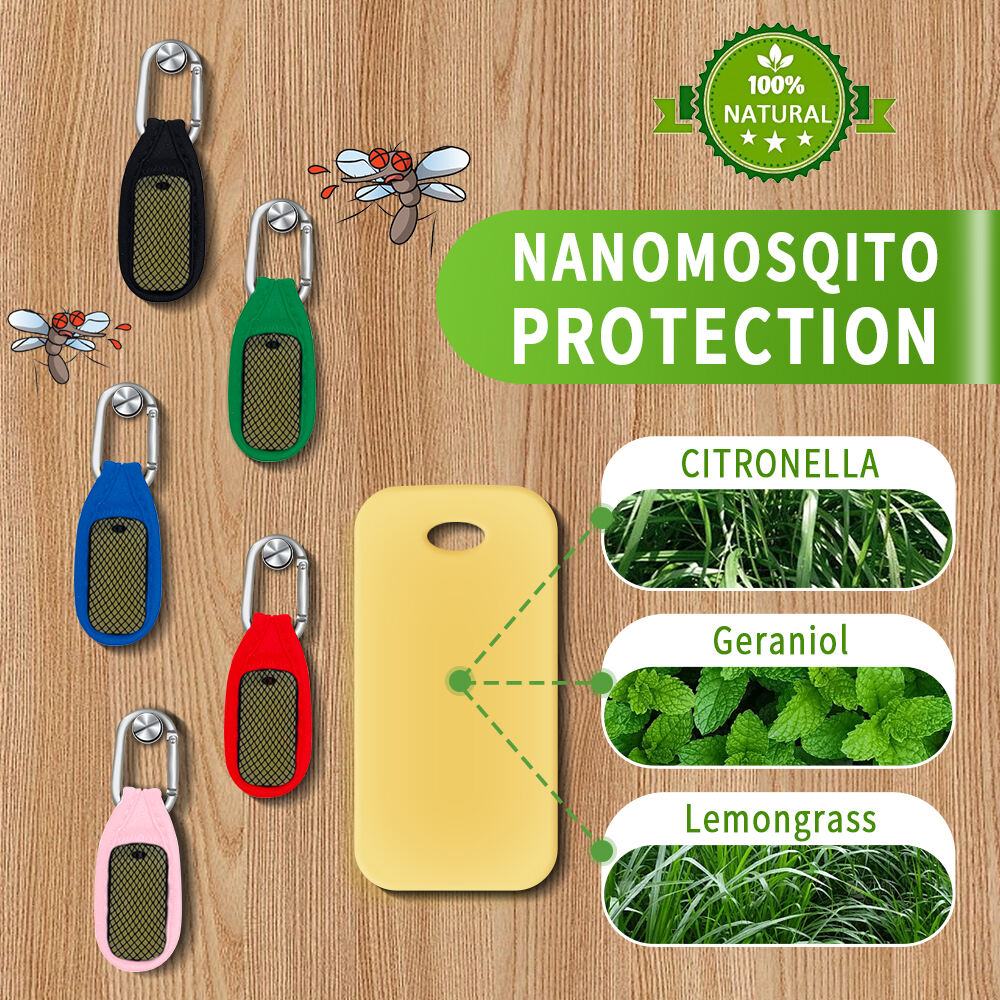
שאלה נפוצה
למה חומרים פעילים נפוצים למשתנה על העור, כמו DEET ו-OLE, אינם מתאימים לתינוקות?
DEET ושמן אוכליפטוס לימון (OLE) אינם מתאימים לתינוקות מתחת לגילאים המסוימים בשל סיכונים פוטנציאליים של נוירוטוקסיות והפרעות בעור. האגודה האמריקאית לרפואת ילדים (AAP) והמרכז לבקרת מחלות (CDC) קבעו הנחיות גיל מחמירות כדי להגן על העור הרגיש של התינוקות ועל בריאות ההתפתחות שלהם.
מה גורם לעור התינוק להיות רגיש יותר לחשיפה כימית?
עור התינוק דק וחדיר יותר מעור בוגר, מה שמגביר את שיעורי הספיגה הכימית ב-200–300%. בנוסף, מערכות המטבוליזם שלו לא בשלות, ולכן קשה לו לסלק ולפרק כימיקלים באופן יעיל.
האם רכיבים טבעיים תמיד בטוחים לשימוש בפלטות דוחות יתושים המיועדות לתינוקות?
לא, לא כל הרכיבים הטבעיים בטוחים. לדוגמה, שמן עץ הגבינה עלול לגרום לרגישות בעור, ומזיקים צמחיוניים כמו קמומיל עלולים להפעיל תגובות אלרגיות בתינוקות. בדיקות קפדניות וניסוח תקין הם חיוניים.
איך פועלות פלטות דוחות יתושים שמתפזרות באוויר?
גזרות מפוזרות באוויר משחררות חומרים פעילים מואדים לסביבה הסובבת כדי ליצור אזור הגנה. גזרות אלו מבטלות את הצורך במגע עורתי, אך יעילותן יורדת עם המרחק ובאזורים בעלי אוורור לקוי.
אילו צעדים רגולטוריים נדרשים לייצור גזרות דוחות יתושים המיועדות לתינוקות?
יצרנים חייבים לעמוד בהרשמה ל-EPA, לבצע בדיקות יציבות ותקופת שימור, ולדאוג להישארות בתקנים של בטיחות ויעילות שמיועדים לקהל הפעוטות על מנת להכניס גזרות מסוג זה לשוק.
תוכן העניינים
- למה גזרות נוגדות יתושים בטוחות לתינוקות דורשות סטנדרטים ייחודיים של תרכובות
- רכיבים טבעיים מאומתים לייצור תוספות דוחות יתושים (OEM)
- חדשנות ביישום לא טופיקלי: פתרונות של דיסקים מותאמים לדחיית יתושים באמצעות אספקה באוויר למיטות תינוקות, לעגלות ולבגדים
- מפת דרכים לציית OEM: רישום EPA, בדיקת יציבות ואישור תקופת השימוש של פלטסים דוחפים יתושים
-
שאלה נפוצה
- למה חומרים פעילים נפוצים למשתנה על העור, כמו DEET ו-OLE, אינם מתאימים לתינוקות?
- מה גורם לעור התינוק להיות רגיש יותר לחשיפה כימית?
- האם רכיבים טבעיים תמיד בטוחים לשימוש בפלטות דוחות יתושים המיועדות לתינוקות?
- איך פועלות פלטות דוחות יתושים שמתפזרות באוויר?
- אילו צעדים רגולטוריים נדרשים לייצור גזרות דוחות יתושים המיועדות לתינוקות?