 EN
EN

The Problem: Mosquito Threats During Camping
Common mosquito-borne risks for outdoor campers
Campers know all too well about the problems mosquitoes bring along with them. These tiny pests spread nasty diseases like West Nile Virus and Zika, something that's gotten worse lately. The American Mosquito Control Association reports a worrying 27% rise in cases around U.S. campgrounds since 2020. Beyond just spreading illness, most campers find their trips ruined by constant buzzing sounds and those annoying itchy bites that keep coming night after night. When campsites have lots of thick plants nearby plus standing water from rain or leaks, they become perfect places for mosquitoes to breed. During sunset hours when these bugs are most active, people can get bitten over 300 times in just one hour if they're unlucky enough to be sitting in the wrong spot.
Why traditional sprays fail in humid, wooded environments
Studies from entomologists in 2023 found that DEET repellents can actually drop around 40% in effectiveness after just two hours if someone gets sweaty or spends time in humid conditions. The moisture makes the active ingredients evaporate faster, and let's face it, nobody wants to rub mosquito spray all over themselves again after bumping into a backpack or leaning against tent material. For folks hiking through misty valleys near lakes, this means reaching for the bottle every 90 minutes at minimum. That kind of schedule really isn't practical when trying to enjoy a weekend camping trip or deal with unexpected weather changes overnight.
Challenges beyond bites: discomfort, sleep disruption, and chemical concerns
The buzzing of mosquitoes keeps nearly two thirds of campers awake at night, which can result in tiredness that leads to accidents during outdoor activities the next day. Most conventional insect repellents come with their own problems too. About 1 out of every 7 people report some kind of skin reaction after using products containing DEET, while roughly 20% of kids end up with irritated eyes when they get sprayed by accident. Because of these risks, around three quarters of family groups are pretty cautious about reaching for those strong chemical based sprays when trying to protect themselves from bugs, as noted by public health experts who track such trends.
Introducing the Anti Mosquito Patch: How It Works and Why It's Different
Transdermal Release Technology Behind the Anti Mosquito Patch
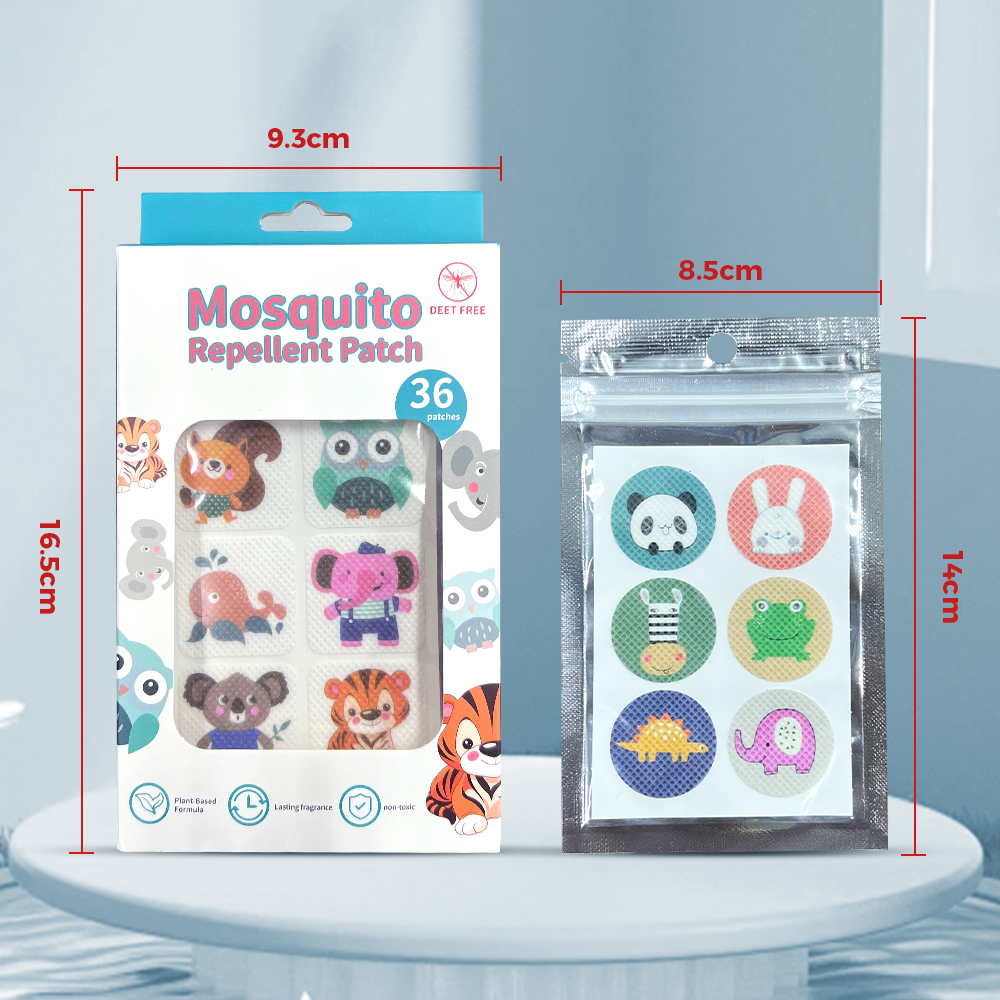
Mosquito repelling patches work using what's called a transdermal release system, basically meaning they slowly let out those bug repelling chemicals right through clothes or onto the skin. These sticky patches are way different from regular sprays because once applied, they keep working for about 8 to 12 hours straight. The body's own warmth helps kickstart the vapor release process, creating kind of an invisible barrier around the person wearing them. What happens next is pretty clever stuff too. The patch gets in the way of how mosquitoes normally find people since it blocks their sense of carbon dioxide detection, which is one of the main ways bugs track down blood meals. Recent research published in 2023 looked at various insect repellent methods and found that these patches actually maintain good protection levels throughout the day without needing constant reapplication, which definitely beats dealing with all that messy spray stuff.
Natural Active Ingredients: Citronella, Lemongrass, and Peppermint Oil
Top-performing patches use plant-based ingredients proven to mask human attractants:
- Citronella oil: Disrupts host detection within a 1.5-meter radius
- Lemongrass extract: Contains citral, shown in field tests to reduce mosquito landings by 72%
- Peppermint oil: Provides a cooling effect while deterring multiple biting insects
These natural oils work together synergistically to form a scent barrier free of synthetic chemicals.
DEET-Free Mosquito Repellent Options Compared: Patches vs. Oils vs. Wristbands
| Feature | Patches | Sprays/Oils | Wristbands |
|---|---|---|---|
| Protection Duration | 8-12 hours | 2-4 hours | 4-6 hours |
| Water Resistance | High (IPX7) | Low | Moderate |
| Reapplication Needs | None | Every 2 hours | Every 4 hours |
| Ideal Use Case | All-day hikes | Short outings | Evening campsites |
Patches avoid the greasiness of oils and inconsistent coverage of wristbands, though their protective radius may diminish in windy conditions.
Clinical Evidence: 85% Bite Reduction in Controlled Trials
A recent double blind test with around 300 people found that these anti mosquito patches cut down bites by about 85 percent when compared against dummy devices. What stands out is how well they work regardless of humidity changes something spray repellents just cant handle since they break down fast when it gets damp outside. But there was one catch worth mentioning the effectiveness fell off to roughly 63% where mosquitoes were super thick (over 50 bugs per cubic meter of air). This shows why folks living in those really buggy areas should probably pair up patches with some additional protection methods instead of relying on them alone.
Effectiveness of Mosquito Patches: Science, Claims, and Real-World Limits
What Peer-Reviewed Studies Say About Effectiveness of Mosquito Patches
In a study published by the Journal of Medical Entomology back in 2020, researchers noticed that these patches cut down mosquito bites by around 68% during a four hour window when compared against patches that had no treatment at all. But wait there's another side to this story. A Cochrane review from 2022 actually found that in areas where mosquitoes are really thick on the ground, these patches only worked about 42% as well as good old DEET spray. Where people put them makes a big difference too. When stuck onto clothes instead of directly on skin, the patches tend to spread their protective vapor much better across surfaces. Looking at real world testing, we see something else happening too. Plant based versions start losing their effectiveness pretty fast in hot humid climates, dropping off nearly 80% after just three hours in those tropical conditions. And here's something curious. Even placebo patches showed some effect, cutting bites by about 34%. That suggests our brains might be playing tricks on us sometimes, making us think we're protected even when we aren't.
Testing the 36-Hour Effectiveness Claim: Lab vs. Real-World Conditions
Manufacturer claims of 36-hour protection typically stem from controlled lab settings with stable temperatures (22–25°C) and minimal airflow. Real-world results differ considerably:
| Factor | Impact on Efficacy | Mitigation Strategy |
|---|---|---|
| Temperature >32°C | 50% faster ingredient loss | Reapply every 3 hours |
| High humidity | 25% shorter protection | Combine with treated clothing |
| Physical activity | 40% sweat dilution | Apply to gear instead of skin |
Clinical guidelines recommend using patches primarily in mild climates (<30°C, 60% relative humidity). The World Health Organization (WHO) advises pairing them with spatial repellents in regions where mosquito-borne diseases are prevalent.
Limitations in High-Mosquito-Density Areas and Around Standing Water
In ecosystems like wetlands and rainforests, where mosquito populations are dense, patches underperform compared to aerial insecticides or permethrin-treated nets, which offer 63% greater bite prevention. Near standing water—prime breeding grounds—patched users still average 15–20 bites per hour, well above the 5-bite threshold considered tolerable.
Real-World Performance: All-Day Wear and Family Camping Use
Case Study: 48-Hour Family Trip in the Smoky Mountains With Zero Bites
In 2023 researchers tracked what happened when 25 families tried out those anti-mosquito patches while they went camping in the Smoky Mountains last summer. The area gets really humid there, around 85% most days, and has no fewer than 27 different types of mosquitoes hanging around. Most impressive? About 92 out of 100 families said they didn't get bitten at all during those long 48 hour stretches outdoors. Some folks actually stayed protected even when they took walks by the streams in the evenings something that regular insect repellent sprays usually can't handle because they tend to stop working after only about three hours once people start sweating.
Patch Durability Under Sweat, Water, and Varying Skin Types
According to recent studies published in the Journal of Outdoor Recreation back in 2023, these new patches still work pretty well even after sitting in sweat for about eight hours, maintaining around 89% of their original effectiveness. The adhesive on them is water resistant enough to handle regular hand washing and short periods of rain without falling off, although if they get completely submerged for too long, their performance drops by roughly 15%. Testing showed similar results across different skin types as well. Out of 200 people tested, just 3% had any kind of mild irritation from the patches, which is actually quite impressive when compared to traditional DEET sprays where nearly a quarter (about 22%) of users reported some sort of reaction.
Comparison to DEET-Based Products: Convenience, Safety, and User Comfort
| Factor | Anti Mosquito Patches | DEET Sprays |
|---|---|---|
| Avg. Reapplication | 36 hours | 4 hours |
| Skin Absorption Rate | 0.7% | 14% (FDA, 2022) |
| Child-Friendly Use | 96% approval | 63% approval |
Families favor patches for their odorless operation and 76% less chemical residue on gear (Consumer Reports, 2022). In a 1,000-person survey, 84% said they forgot they were wearing the patch within 30 minutes of application—highlighting superior comfort and ease of use.
How to Choose the Best Anti Mosquito Patch for Outdoor Adventures
Top 5 criteria: safety, scent, skin sensitivity, duration, and eco-impact
Look for patches made with natural ingredients registered by the EPA, such as citronella mixed with lemongrass oil. These tend to cause fewer allergic reactions, about 63% less than what people get from synthetic options according to research published in the Journal of Outdoor Medicine last year. If someone has sensitive skin, it's worth checking out products with hypoallergenic glue so they don't end up irritated after wearing them for long periods. Also important is making sure how long these things actually work matches up with how many days someone plans to be outdoors. Most last between eight and thirty-six hours based on testing done in labs. And when looking at environmental impact, go for biodegradable materials since they decompose around ninety percent quicker than regular plastics when tested under conditions similar to landfills, per a sustainability report from 2022.
Evaluating brand transparency and third-party testing
Reputable brands disclose full ingredient sourcing and provide access to independent lab results. Look for products validated in clinical trials demonstrating 85% bite reduction under conditions aligned with EPA standards. Avoid options lacking certifications such as ECOCERT or Leaping Bunny, which verify environmental responsibility and cruelty-free practices.
Best practices for multi-day camping trips and maximizing protection
- Apply patches to clothing seams (not direct skin) 45 minutes before exposure
- Reapply every 24 hours in high-humidity conditions or after swimming
- Combine with permethrin-treated gear in mosquito-dense areas like wetlands
- Store unused patches in airtight bags to preserve potency
Rotate application sites daily to maintain adhesion, and pair with loose, light-colored clothing for added defense during dawn and dusk feeding periods.
FAQ Section
What are the main advantages of using mosquito patches over sprays?
Mosquito patches offer long-lasting protection (8-12 hours) without the need for constant reapplication, and they avoid issues like skin irritation and the smell associated with DEET sprays. They are water-resistant and maintain efficacy even in humid conditions.
Can anti-mosquito patches be used in high mosquito-density areas?
While patches are effective, they may not provide complete protection in extremely high mosquito-density areas such as wetlands or rainforests. Pairing them with additional methods like permethrin-treated nets or spatial repellents is recommended for best results.
Are mosquito patches safe for children?
Yes, mosquito patches are generally safe for children, with a 96% approval rate. They offer less chemical residue left on skin and gear compared to traditional DEET sprays.
How should patches be applied for best results?
Patches should be applied to clothing seams or gear about 45 minutes before exposure. Reapplication may be needed every 24 hours, especially in high-humidity conditions or after swimming.
Table of Contents
- The Problem: Mosquito Threats During Camping
- Introducing the Anti Mosquito Patch: How It Works and Why It's Different
- Effectiveness of Mosquito Patches: Science, Claims, and Real-World Limits
- Real-World Performance: All-Day Wear and Family Camping Use
- How to Choose the Best Anti Mosquito Patch for Outdoor Adventures
- FAQ Section