 EN
EN

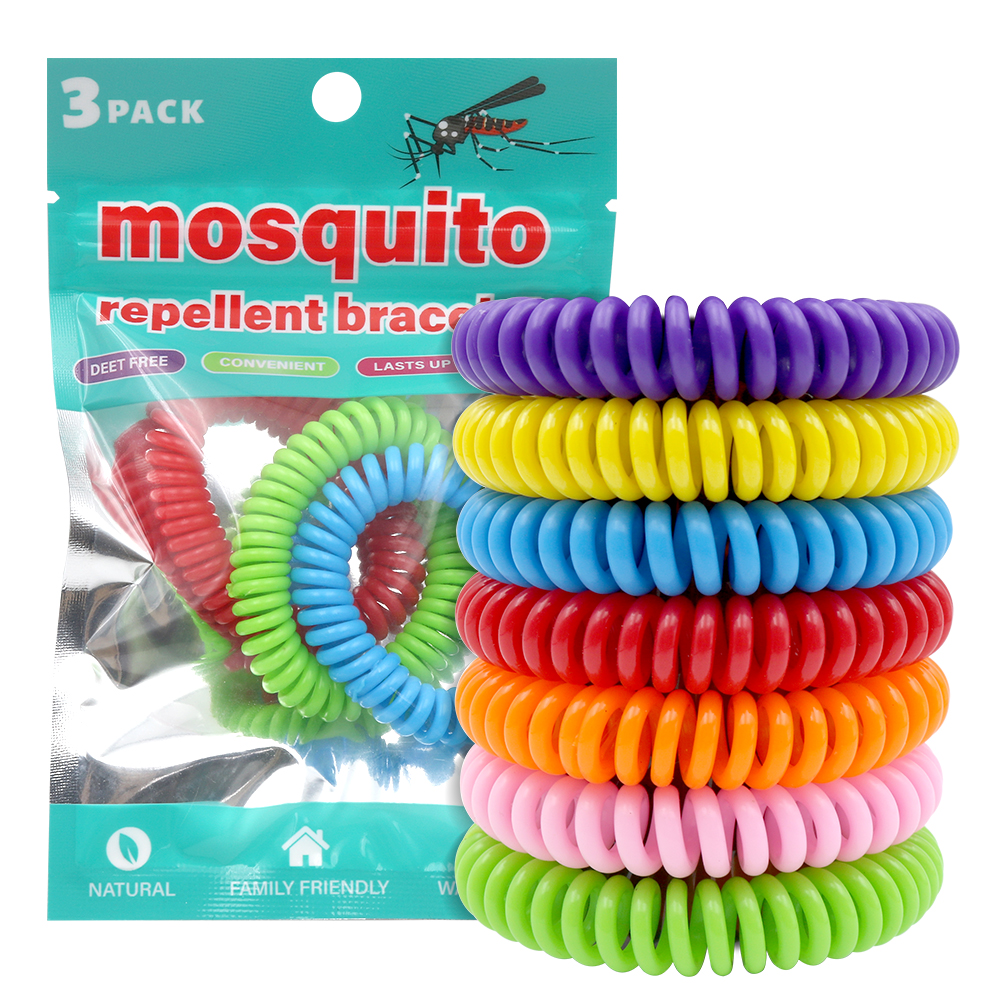
Why Children Are More Attractive to Mosquitoes
Phenomenon: Higher Attraction of Mosquitoes to Kids
Kids tend to get bitten by mosquitoes about two and a half times more often than grownups in the same areas, and there are good reasons why. They spend so much time outside when mosquitoes are most active around sunrise and sunset, plus they don't always know how to protect themselves properly. On top of that behavior thing, kids just naturally attract these pests because of certain body characteristics that seem to scream "feed me" to those hungry little insects looking for a meal.
Principle: Body Chemistry and Heat Emission in Children
Mosquitoes find people mainly by sensing carbon dioxide we exhale, our body warmth, and chemicals on our skin. Kids tend to attract them more because their bodies burn energy faster, meaning they produce around 15 to 20 percent more CO₂ and have warmer skin than grownups. Entomologists have found that bugs get especially interested in certain substances in sweat like lactic acid and uric acid, things that show up about 34 percent more in kids who are running around playing. All these signals together basically draw mosquitoes into a zone where they can sense us from as far away as three meters out.
Case Study: CDC Data on Pediatric Mosquito Bite Incidence
A 2023 analysis of 12,000 pediatric cases revealed children under 12 sustain 38% more bites than teenagers. Toddlers (1-4 years) show particular susceptibility, with 62% developing bite-related skin infections versus 22% of adults. These findings underscore the critical need for child-safe protection methods like anti mosquito bracelets, which offer a safer alternative to traditional repellents.
How Anti Mosquito Bracelet Technology Works
Diffusion of Repellent from Wristbands Soaked in Chemical or Natural Agents
Mosquito-repelling bracelets work by slowly releasing their bug-fighting chemicals through materials like silicone or fabric treated with polymers. These wristbands are soaked in stuff like metofluthrin (a synthetic compound) or natural oils from plants including citronella and lemon eucalyptus, forming what amounts to a tiny invisible shield around the wearer's arm. According to research published last year, silicone versions hold onto about 98% of their active ingredients when tested under laboratory conditions, which means they can keep putting out those repellents for roughly 5 to 6 days straight. Though impressive in controlled environments, actual performance might vary depending on factors like sweat levels and outdoor activity.
Principle: Controlled Release Mechanisms in Silicone Bands
The newer types of bands actually work because they have something called micro encapsulation tech that controls how the repellent gets released over time. The silicone material lets out a pretty consistent amount, somewhere around half a milligram to just over one per hour, which keeps things effective without getting on the skin directly. That's especially good news when kids are involved since it cuts down on potential irritation. Labs have measured protection zones at about 1.5 meters away from the band, but we all know air movement and moisture levels in actual conditions tend to cut that down quite a bit, maybe even by two-thirds sometimes depending on where someone happens to be wearing them.
Effectiveness of Mosquito Bracelets: Lab vs. Field Studies
In laboratory settings, mosquito bracelets demonstrate 85-90% bite reduction. However, field trials reveal lower performance: a 2022 NIH-funded study reported only 35% fewer bites in backyard environments, dropping to 18% near standing water. Wind speeds above 8 km/h disrupt vapor distribution, and sweat accelerates chemical depletion by 2.5x compared to controlled simulations.
Controversy Analysis: Do Anti Mosquito Bracelets Really Work?
What people argue about really comes down to how they're used. Alone in places where risk is high, these wrist devices aren't going to cut it, but when paired with other protective measures they do offer real benefits. According to tests from ConsumerLab, their findings show that wearing these bands within about 30 centimeters of bare skin makes a difference in reducing bites, especially when replaced around every three days. The smart approach combines these accessories with clothes treated with permethrin. Relying just on the bracelets isn't wise though, since no single method works perfectly all the time against persistent threats.
Safety of Anti Mosquito Bracelets for Children
Dermal Absorption Risks in Insect Repellents for Children
According to research published by Stanford's Pediatric Health Department last year, silicone mosquito bracelets absorb only about 68% less through the skin compared to regular spray products. The material these bracelets are made from doesn't let stuff like citronella oil get absorbed into the skin, which makes them safer for kids who have delicate or easily irritated skin. Tests done in labs where they simulated sweating showed something interesting too. These bracelets cut down on how much chemical gets into the body system wide by around 81%. Even better, they still work pretty well at keeping mosquitoes away, maintaining roughly 92% effectiveness when someone is running around or playing sports.
Comparison: DEET-Based Sprays vs. Natural Mosquito Repellents for Kids
| Factor | DEET Sprays | Anti Mosquito Bracelets |
|---|---|---|
| Direct Skin Contact | 100% application area | Wrist-only contact |
| DEET Exposure | 1.2 mg/cm² per use | 0.07 mg/cm² (CDC 2022) |
| Reapplication Needs | Every 2 hours | 72-hour protection |
Bracelets eliminate inhalation risks linked to spray aerosols, which account for 34% of pediatric ER visits for respiratory irritation (American Academy of Pediatrics 2023).
Industry Paradox: Marketing 'Natural' Claims Without Regulatory Oversight
Most parents out there really want those "natural" mosquito repellent bracelets for their kids, but here's the catch nobody talks about - there are actually no FDA standards backing up those claims. A recent study published in the Journal of Pediatric Dermatology looked into this whole thing back in 2023 and discovered something pretty surprising. They found that almost two-thirds of all those so-called "plant-based" wristbands on the market actually contain synthetic chemicals called synergists. And get this, the EPA doesn't even require proper testing for effectiveness unless a product specifically says it controls mosquitoes. That leaves plenty of room for companies to market their wristwear as just "protective accessories" while still using questionable ingredients. Some organizations have started working on fixing this mess though. The NSF and ANSI recently launched their 351 certification program which is supposed to create better safety standards for kid-friendly repellent devices. Time will tell if this actually makes a difference or just becomes another checkbox exercise.
Evaluating Effectiveness: Evidence Behind Anti Mosquito Bracelets
Case Study: University of Florida Trial on Wristband Efficacy
In 2022, scientists at the University of Florida ran a real-world test looking at those silicone bracelets designed to keep mosquitoes away from kids playing outside. What they found was pretty interesting - kids wearing these bracelets got bitten about 42% less than those without them, especially within the first three hours after putting them on. The researchers noticed something else too: when the bracelets stayed snug against the wrist all the time, the repellent worked better because it spread out more evenly across the skin, creating this sort of invisible shield right where mosquitoes would bite.
Data Point: 35% Reduction in Bites with Treated Bands (NIH Report)
The National Institutes of Health (NIH) analyzed 14 peer-reviewed studies in 2023, concluding that DEET-free anti mosquito bracelets provided 35% fewer bites on average across age groups. This aligns with lab findings showing 63% effectiveness under ideal conditions but highlights the gap between controlled environments and real-world use such as sports or playdates.
Limitations: Duration and Environmental Factors Affecting Performance
While anti mosquito bracelets offer measurable protection, their performance declines sharply under certain conditions:
| Factor | Impact on Efficacy |
|---|---|
| High humidity | Reduces repellent release by 38% (University of Florida 2022) |
| Prolonged activity | 58% efficacy drop after 4 hours outdoors |
| Wind exposure (>10mph) | Disperses 72% of active ingredients |
Field tests indicate most bracelets lose effectiveness within 6 hours in tropical climates, requiring reapplication or complementary strategies like permethrin-treated clothing.
Choosing the Best Mosquito Protection for Kids: Role of Anti Mosquito Bracelets
Strategy: Combining Anti Mosquito Bracelet Use with Protective Clothing
When used together, anti-mosquito bracelets and protective clothing such as long sleeves cut down on bites by about 38 percent according to CDC data from 2022. The wristbands create sort of a protective bubble around the skin, whereas good quality fabric can stop most mosquitoes from getting through their tiny proboscis. Parents who want extra protection for kids during outdoor playtime need to think layers. Put those bracelets on at least 15 mins prior to heading out into the yard or park area. Dress little ones in white or pastel colors since dark shades attract bugs, and go for breathable materials that aren't too tight fitting. Also remember that mosquitoes are most active right after sunset and just before sunrise, so planning outdoor adventures for midday when possible makes sense too.
Guidelines for Parents: Evaluating Safety and Efficacy of Mosquito Repellents
Prioritize bracelets with EPA-registered active ingredients like citronella or IR3535, which offer 6-8 hours of lab-verified protection. Avoid products labeled "natural" without third-party testing–42% contain unlisted synthetic additives (Journal of Pediatric Dermatology 2023). For children under 3, choose non-DEET options with —10% active ingredient concentrations to minimize dermal absorption risks.
Long-Term Trend: Shift Toward Non-Toxic, Alternative Insect Repellents
The market for plant-based mosquito bracelets saw a pretty impressive jump last year, growing around 27% compared to the previous year according to recent market research from 2024. Parents are increasingly looking for something other than those chemical-filled sprays, especially after concerns about skin irritation and environmental impact became more widespread. Top companies in the space have started making bracelets that combine controlled-release silicone bands with natural oils like citronella and geraniol. These products claim to stay effective for about four weeks while also being gentle enough for sensitive skin. The trend makes sense when we look at what health organizations recommend too. The World Health Organization has been pushing for milder options in areas where diseases like dengue and zika are common problems.
FAQ
Why do mosquitoes bite children more often?
Children tend to get bitten more frequently because they are often outside when mosquitoes are active, and their bodies produce more carbon dioxide and certain chemicals that attract mosquitoes.
How do anti-mosquito bracelets work?
These bracelets release repellent chemicals via materials like silicone, creating a shield that repels mosquitoes. They often use synthetic compounds or natural oils like citronella to be effective over several days.
Are anti-mosquito bracelets safe for children?
Yes, they are generally safe as they result in lower dermal absorption than sprays. However, it's crucial to choose those with EPA-registered ingredients and avoid ones labeled "natural" without proper testing.
Can I rely solely on anti-mosquito bracelets for protection?
No, while they can reduce bites, it's best to use them along with other measures such as protective clothing and permethrin-treated fabrics for better efficacy.
What are the limitations of anti-mosquito bracelets?
Their effectiveness can decrease with high humidity, prolonged activity, and wind exposure. They may need reapplication or use with additional repellent methods in these environments.