 EN
EN

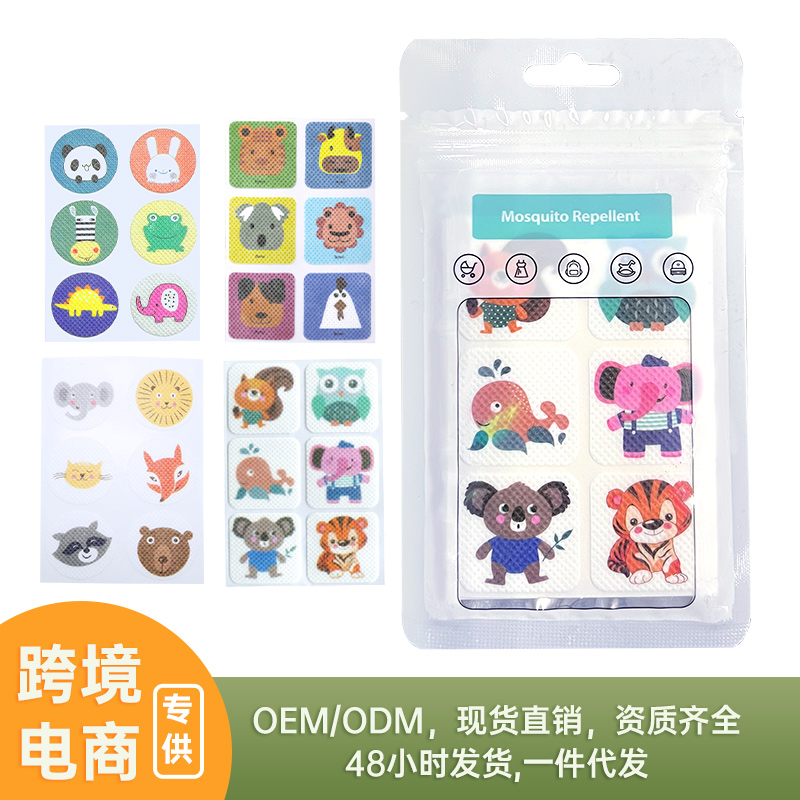
Why Chemical-Free Mosquito Repellent Patches Are Safer for Children
DEET, Picaridin, and Synthetic Actives: Risks of Skin Absorption and Neurodevelopmental Concerns
Kids face real risks from synthetic bug repellents such as DEET and picaridin because they absorb these chemicals at higher rates through their skin. Studies show that little ones can take in around 15% more of whatever's applied compared to grown-ups, mainly since their skin is thinner and they have a bigger surface area relative to their body weight according to research published in Pediatric Dermatology last year. DEET actually gets past the brain barrier pretty easily too. Some research has linked frequent or heavy exposure among toddlers under six years old with small but noticeable problems in how they move around and remember things short term, as noted by the Journal of Pediatric Neurology in 2023. That's why most pediatricians recommend keeping DEET concentration below 30% when applying it to young children, worried about possible damage to developing brains. Picaridin might be less toxic right away, but tests still find between 8 and 10% gets absorbed through the skin, which makes people wonder what happens over time with growing nervous systems. All this explains why many parents are turning to patch alternatives instead. These patches work by delivering protection without direct skin contact, making them a better choice for safety conscious families looking for proven options.
Cumulative Exposure and Immune Sensitivity: Why Pediatric Safety Requires Non-Toxic Delivery
Kids have underdeveloped ways to process toxins and their immune systems are still growing fast, which makes them especially at risk when exposed to chemicals repeatedly. Recent research from Environmental Health Perspectives shows something concerning too. Kids who regularly use synthetic bug repellents tend to show about 40% higher levels of certain immune markers like IgE and IL-4, which seems linked to greater chances of developing allergies. The most sensitive period appears to be those rapid growth phases in early childhood when the body is still learning how to regulate immunity properly. Patches for mosquito repelling offer safer alternatives in three main ways. First, they sit on clothing instead of skin, so there's less direct contact. Second, they release protection through the air rather than being absorbed into the bloodstream, cutting down absorption rates by around 92% according to Clinical Pediatrics studies last year. And finally, many contain natural ingredients that don't trigger immune responses the way synthetic chemicals often do. These patches represent what experts recommend for kids anyway, following World Health Organization guidelines about keeping toxic exposure as low as possible for children's protection against insects.
Proven Natural Ingredients in Mosquito Repellent Patch Formulations
Oil of Lemon Eucalyptus (PMD): EPA-Recognized Efficacy and Age-Safe Application Guidelines
Lemon eucalyptus oil, specifically when it contains PMD (para-menthane-3,8-diol), stands out as one of just two natural insect repellents that have actually been approved by the EPA to work against those pesky disease-spreading mosquitoes like Aedes aegypti and Anopheles gambiae. Field tests indicate these PMD patches can keep people protected for around 4 to 6 hours in normal weather conditions, performing similarly to DEET products with concentrations between 10% and 15%. The Centers for Disease Control gives PMD the green light as a good alternative to DEET for kids who are at least three years old, which makes these patches particularly useful for making child-friendly repellent options. These patches also solve a big problem since they don't require direct skin contact, avoiding the FDA's caution about applying pure OLE oil to babies younger than three while still delivering the right amount of protection according to American Academy of Pediatrics guidelines.
Citronella, Lemongrass & Peppermint Oils: Real-World Repellency Duration and Coverage Limitations
Citronella, lemongrass, and peppermint oils work by messing with mosquitoes' sense of smell. Citronella has been shown to disrupt how mosquitoes find their hosts in over 15 different species according to research published in the Journal of Medical Entomology back in 2022. But there's a catch when using these oils in patch form. Most citronella patches only last about two hours at best before needing to be changed. Lemongrass, which contains citral, and peppermint tend to evaporate even quicker, creating patchy protection areas instead of consistent coverage. Mixing these oils with something that doesn't evaporate so fast like coconut oil helps a bit, but the protection stays concentrated around where the patch is applied rather than spreading across the whole body. For parents looking for alternatives, these patches might be okay for short trips outside under supervision. Still, it makes sense to combine them with traditional methods like wearing long sleeves or using mosquito nets when spending longer periods outdoors.
Evaluating Mosquito Repellent Patch Performance: Adhesion, Release Control, and Pediatric Usability
Fabric-Embedded vs. Gel-Based Delivery: How Design Impacts Consistent Protection and Skin Comfort
How mosquito repellent patches are built really affects how well they work and whether kids will actually want to wear them. When manufacturers embed natural ingredients like citronella or PMD into fabric layers, it makes for better breathability and less skin irritation throughout the day. But here's the catch according to lab tests we've seen independently conducted the effectiveness tends to drop off quite a bit when conditions get humid or when children are sweating heavily from playing around. This means parents might find their patch protection lasts significantly shorter than expected under these common situations kids encounter while outdoors.
| Delivery System | Avg. Protection Duration | Skin Irritation Risk | Reapplication Needed |
|---|---|---|---|
| Fabric-Embedded | 3–4 hours | Low | After sweating/water |
| Gel-Based | 5–6 hours | Moderate | Every 4–6 hours |
The gel based patches rely on hydrogel adhesives which allow for more consistent release over time, keeping effectiveness above 80 percent when temps stay below 30 degrees Celsius or 86 Fahrenheit. However field observations show about one out of five patches tends to peel off during active movement, creating gaps where protection is lost. When it comes to kids, these gel patches must be made with materials that won't cause allergic reactions since many children have sensitive skin. The fabric alternatives work best when the material has a dense weave pattern so the protective agents spread evenly across the surface. Both types start losing their potency around 35 degrees Celsius or 95 Fahrenheit mark, dropping anywhere from 40 to 50 percent effectiveness. This means extra precautions are needed in places where heat builds up or mosquitoes are particularly prevalent.
Mosquito Repellent Patch vs. Alternatives: Why It's the Optimal Choice for Young Children
Reduced Risk of Ingestion, Eye Contact, and Over-Application Compared to Sprays and Roll-Ons
For little ones who love to explore, mosquito repellent patches cut down on many of the safety concerns that come with liquid alternatives. Sprays and roll-ons need to go right on the skin, and we all know how kids can get into trouble touching their eyes or putting hands in mouths after applying these products. Patches stick to clothes instead, so there's no risk of getting anything near sensitive areas. Another big plus is that parents don't accidentally apply too much product as often happens with sprays. Roll-on repellents help somewhat but still put strong concentrations right on delicate spots like wrists and ankles. The patch system works differently though it releases protection steadily throughout the day without needing constant reapplication. Studies from last year showed this method actually cuts down on active ingredients entering the body by around 40%. That's why patches work so well during busy times at parks, family trips, or sleepovers when keeping close watch isn't always possible.
Frequently Asked Questions
Are mosquito repellent patches effective for all age groups?
Mosquito repellent patches are designed for children and are generally effective for them. Adults can use patches as well, but the duration and effectiveness might differ.
Do patches offer complete protection against mosquitoes?
While patches are effective, they might not offer complete protection, especially in areas with high mosquito populations. Combining patches with other measures like wearing long sleeves or using nets can enhance protection.
How safe are the natural ingredients in mosquito repellent patches?
Natural ingredients like PMD, citronella, and peppermint oils used in patches are generally safe, especially when adhering to age guidelines and application instructions.
Can synthetic repellents like DEET still be used safely with children?
Yes, synthetic repellents can be used safely if concentration levels are kept within recommended limits (below 30% DEET) and applied according to pediatric guidelines.
Table of Contents
- Why Chemical-Free Mosquito Repellent Patches Are Safer for Children
- Proven Natural Ingredients in Mosquito Repellent Patch Formulations
- Evaluating Mosquito Repellent Patch Performance: Adhesion, Release Control, and Pediatric Usability
- Mosquito Repellent Patch vs. Alternatives: Why It's the Optimal Choice for Young Children
- Frequently Asked Questions