 EN
EN

Regulatory Status vs. Pregnancy-Specific Evidence for Non-DEET Ingredients
EPA-Registered Ingredients (Picaridin, IR3535, PMD): What Label Approval Does — and Doesn’t — Guarantee for Gestational Use
The EPA has registered repellents such as picaridin, IR3535, and PMD because they seem safe enough for most people based mainly on animal tests that didn't find any problems with reproduction at normal exposure levels. But here's what the EPA actually says about all this stuff - their approval doesn't mean these products are specifically safe for pregnant women either. We just don't have much information about how these chemicals affect pregnant bodies. The little research there is comes mostly from computer models predicting skin absorption rates below 2% when applied normally according to the 2023 EPA guidelines. What makes things tricky though? Most safety tests look at occasional applications rather than constant skin contact like what happens with those insect repelling bracelets. Since nobody's really tracking how much gets through to the fetus over time, using these wearable devices during critical pregnancy periods could potentially pose risks we haven't studied yet.
Why Oil of Lemon Eucalyptus and 2-Undecanone Lack Pregnancy Safety Data — and Why That Matters for Mosquito Repellent Bracelet Users
Natural bug repellents such as oil from lemon eucalyptus (OLE) and 2-undecanone fall under what the EPA calls a biopesticide exemption. Basically, this means they don't need to go through all those standard tests about how they might affect reproduction or development. And because of that, we actually know very little about whether these substances are safe during pregnancy. The situation gets tricky when talking about wristbands though. These products release their active ingredients constantly right next to where someone sits most of the day. That creates ongoing contact both through breathing and skin absorption. Some studies back in 2022 looked at certain compounds found in OLE and found they can pass through the placenta in animal experiments. Still, nobody has set clear limits for what amounts are considered safe for humans. So if a woman who's expecting decides to wear one of these mosquito repelling bands, she ends up taking in plant chemicals whose safety levels nobody really knows about yet.
How Mosquito Repellent Bracelet Design Creates a False Sense of Safety During Pregnancy
Limited Diffusion ≠No Absorption: Volatile Oils, Prolonged Skin Contact, and Unmonitored Fetal Exposure Pathways
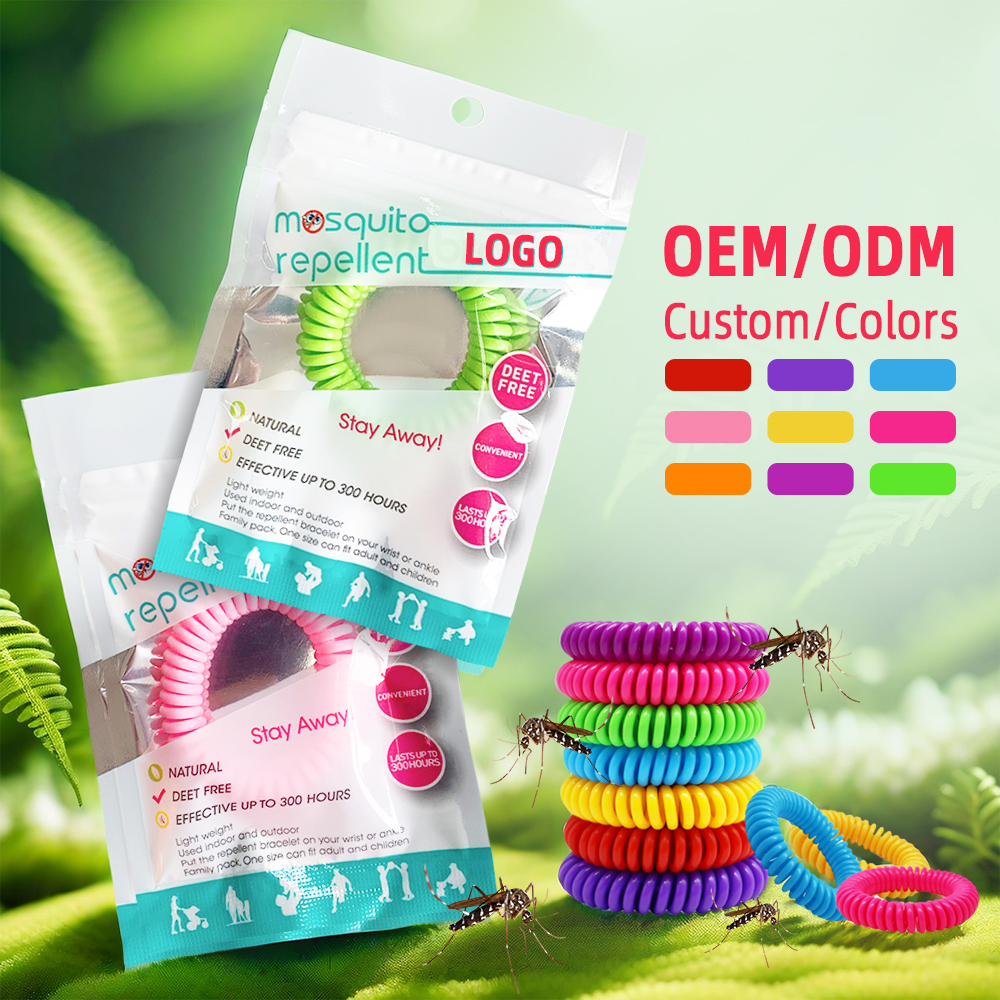
Mosquito repellent bracelets create a false sense of security because companies market them as "low exposure" options, which makes people think they're safe. But here's the thing: those volatile oils like citronella and OLE keep getting absorbed into the skin throughout the day when worn on the wrist. Labs have actually measured how much gets released from silicone bracelets over time. They found around 0.5 to 1 milligram per hour ends up on the skin surface. That's pretty concentrated stuff applied continuously without any real regulation controlling it. What happens next? Well, these chemicals can slip past the body's usual metabolic defenses and might even find their way into fetal bloodstreams without anyone noticing. The problem is nobody has ever studied what concentrations build up in fetal tissues after this kind of exposure, even though manufacturers tout their "no spray" safety promises. And there's another issue too. When these bracelets stop working properly in humid weather (which happens about two thirds of the time), people just keep wearing them longer instead of replacing them. This means more chemicals are transferred to the skin over time, but we don't know exactly what that means for health risks.
Critical Evidence Gaps: Zero Clinical Studies on Mosquito Repellent Bracelet Use in Pregnancy
There's actually no research looking at how safe these mosquito repellent bracelets are for pregnant women. We know a bit about products like DEET and picaridin because they've been studied for their effects on mothers, but nothing whatsoever has been done on those wristbands. The problem is that regular lotions and sprays give predictable amounts of protection, whereas these bracelets release all sorts of different concentrations of oils or chemicals over time, sometimes right next to where a baby is developing. This could pose serious risks, especially early in pregnancy when organs start forming. Since nobody knows how these substances get absorbed, moved around, broken down, or eliminated from the body during pregnancy (that's what scientists call ADME), any claims about being safe just aren't backed by science. Major health organizations such as the CDC and ACOG basically say there's a big gap here and tell expecting parents not to count on bracelets as main protection if they live in places with lots of mosquitoes. Pregnant people now face a tough choice between potential harm we can't measure and very real dangers from mosquito-borne illnesses like Zika, dengue fever, and malaria.
Trusted, Pregnancy-Safe Alternatives to Mosquito Repellent Bracelets
Topical Non-DEET Options with Real-World Pregnancy Surveillance (e.g., Picaridin 20%)
Pregnant women looking for good protection from bugs should consider EPA registered topical repellents, especially ones containing 20% picaridin. These products have a much better safety record compared to those fancy but untested mosquito bracelets on the market. The Environmental Protection Agency actually tests picaridin for how it affects reproduction, and Centers for Disease Control specifically backs its use during pregnancy. Medical professionals tracking pregnancies in real life haven't seen any problems when mothers use this repellent correctly. Just put a little bit on exposed areas of skin and it will keep working for around 8 hours against mosquitoes that might carry diseases.
Integrated Protection: Permethrin-Treated Apparel + Environmental Controls (Fans, Nets, Timing)
A layered, non-chemical strategy delivers superior safety and efficacy:
- Barrier methods: Install intact window screens and sleep under CDC-compliant insecticide-treated nets (ITNs)
- Airflow tactics: Use oscillating fans outdoors to disrupt mosquito flight and reduce landing rates
- Timing adjustments: Avoid peak biting windows—dawn and dusk—for Aedes and Anopheles species
- Fabric protection: Wear permethrin-treated clothing, which retains bite-repelling efficacy for up to 70 washes
This approach eliminates direct dermal or inhalational exposure while offering consistently higher bite reduction than any wearable device—making it the most authoritative, EEAT-aligned recommendation for pregnancy.
FAQ
Are mosquito repellent bracelets safe during pregnancy?
Mosquito repellent bracelets have not been thoroughly tested for safety during pregnancy. They may release chemicals continuously, which could be absorbed through the skin and potentially affect fetal development.
What are alternative mosquito protection options for pregnant women?
Pregnant women can consider using EPA registered topical repellents like 20% picaridin, as well as barrier methods like insecticide-treated nets and permethrin-treated clothing.
Table of Contents
- Regulatory Status vs. Pregnancy-Specific Evidence for Non-DEET Ingredients
- How Mosquito Repellent Bracelet Design Creates a False Sense of Safety During Pregnancy
- Critical Evidence Gaps: Zero Clinical Studies on Mosquito Repellent Bracelet Use in Pregnancy
- Trusted, Pregnancy-Safe Alternatives to Mosquito Repellent Bracelets
- FAQ