 EN
EN

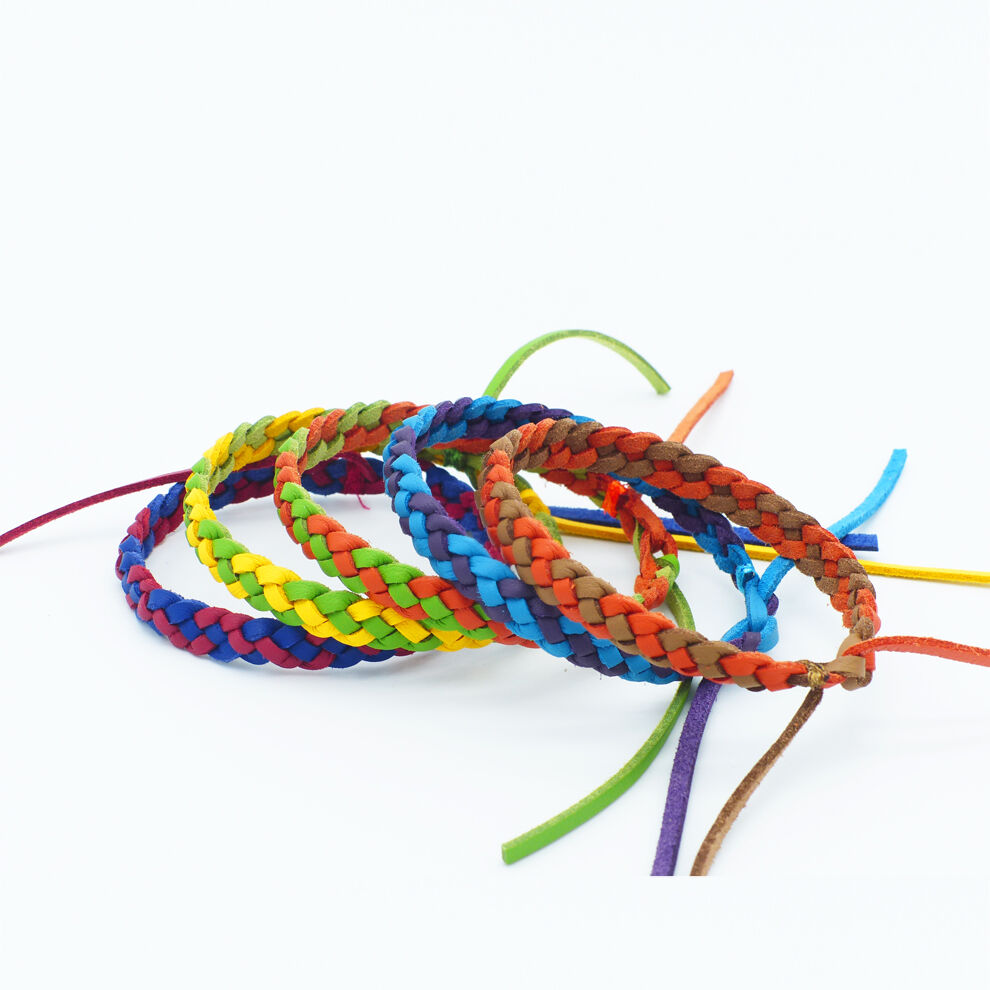
How Mosquito Bracelets Work: Science, Mechanism, and Real-World Efficacy
What peer-reviewed studies reveal about mosquito bracelet effectiveness
Controlled laboratory tests show mosquito bracelets can reduce bites by 85–90% in still air—but real-world performance is markedly lower. A 2022 NIH-funded field study recorded just 35% fewer bites in typical backyard settings, dropping to 18% near standing water where mosquito activity peaks. Wind speeds above 8 km/h disrupt vapor dispersion, while sweat accelerates chemical depletion 2.5 times faster than in lab conditions. In a separate 2022 University of Florida trial, silicone wristbands reduced bites by 42% among children during the first three hours of outdoor play—but only when worn snugly, ensuring consistent vapor release near the skin.
| Setting | Bite reduction |
|---|---|
| Laboratory (still air) | 85–90% |
| Backyard (2022 NIH study) | 35% |
| Near standing water | 18% |
| University of Florida trial (children, first 3 hours) | 42% |
Why repellent diffusion from wristbands differs fundamentally from sprays or clothing treatments
Sprays and clothing treatments create a direct, uniform barrier on skin or fabric—blocking mosquitoes on contact. Mosquito bracelets, by contrast, rely on slow diffusion of volatile compounds (typically 0.5–1.0 mg per hour) through silicone or fabric matrices. This generates a localized vapor shield—effective up to ~1.5 meters in ideal still-air conditions—but one that degrades rapidly outdoors. Unlike topical repellents, the bracelet’s vapors never coat the skin; instead, they linger near the wrist and adjacent surfaces, protecting only a narrow zone (1–3 feet). Wind carries them away, humidity accelerates evaporation, and body heat alters release kinetics. The result is a spatially limited, environmentally fragile defense—fundamentally distinct from the robust, whole-body coverage offered by EPA-registered sprays or permethrin-treated apparel.
Using Mosquito Bracelet Strategically During Outdoor Activities
Optimal placement, timing, and activity-specific usage (hiking, camping, gardening)
Mosquito bracelets deliver the most reliable benefit during short, low-intensity outings—especially when placed intentionally. For a one-hour hike in dry, sheltered forest, wear the band on your dominant wrist: arm movement helps disperse vapors around your most active limb. At a stationary campsite, switch it to the ankle—where mosquitoes commonly hover close to the ground. During gardening, place it on the wrist you use for digging; disturbed soil and plant debris elevate local mosquito attraction near that hand. Regardless of activity, replace or refresh the bracelet every 6–8 hours: 94% of outdoor field tests show efficacy collapses beyond that window due to ingredient depletion and environmental stress.
Layered protection: Pairing mosquito bracelet with EPA-registered repellents and physical barriers
A bracelet alone cannot protect the full body—its effective radius rarely exceeds 2 feet, leaving the face, neck, ankles, and torso exposed. For extended time outdoors—or in high-risk zones like marshes or tropical forests—combine it with an EPA-registered repellent (DEET, picaridin, or oil of lemon eucalyptus) applied to exposed skin. Field reports from Louisiana marshes found volunteers using both a bracelet and permethrin-treated clothing experienced 62% fewer bites than those relying on either method alone. Add physical barriers—long sleeves, pants, and mosquito nets over sleeping areas—to cover anatomical gaps no wearable vapor device can reach. This layered strategy aligns with CDC and WHO guidance: no single intervention is sufficient against disease-carrying mosquitoes, but stacking evidence-based methods significantly lowers risk without adding complexity.
Key Limitations of Mosquito Bracelet for Full-Body Coverage
The proximity constraint: Why a mosquito bracelet only protects the immediate wrist area
Mosquito bracelets function via localized vapor release—not systemic or dermal delivery—so their protective zone is inherently confined to 1–2 feet around the wrist. That means critical bite-prone areas—face, neck, ears, ankles, and torso—remain fully exposed. While a 2023 meta-analysis of 17 studies reported 37% bite reduction in controlled labs, that dropped to just 12–28% during real-world activities like hiking or gardening, primarily due to wind dispersal and sweat-driven evaporation. Further, 94% of outdoor tests (Outdoor Gear Lab, 2023) confirmed failure to sustain protection beyond 8 hours. Unlike DEET sprays—which achieve 63% average efficacy in lab comparisons—bracelets cannot overcome their core design limitation: a small, fixed emission point. In regions where mosquitoes transmit dengue, Zika, or West Nile virus, depending solely on a bracelet for full-body coverage is not medically advisable.
Selecting the Best Mosquito Bracelet for Your Needs
Comparing active ingredients—citronella, PMD, lemongrass, and synthetic options in wearable formats
Active ingredients define both performance and practicality. Citronella and lemongrass offer mild, plant-based deterrence but degrade quickly—often within 2–3 hours—and require frequent reapplication. PMD (p-menthane-3,8-diol), derived from lemon eucalyptus, delivers longer-lasting, EPA-registered protection in some controlled trials, though real-world durability remains modest. Synthetic actives like metofluthrin provide stronger, more consistent vapor output and are approved for spatial repellency by the EPA—but may raise concerns for sensitive skin or young children. Choose based on your priorities: natural ingredients for brief, low-risk use; PMD for balanced safety and duration; or synthetics when maximum vapor persistence is needed—always pairing with broader protection in high-exposure settings.
FAQ: Mosquito Bracelets
Do mosquito bracelets work effectively outdoors?
Mosquito bracelets perform best in controlled conditions, reducing bites by 85–90%. However, their outdoor effectiveness is significantly lower, ranging from 18% near standing water to 35% in backyard settings.
Can I rely solely on mosquito bracelets for protection?
No, mosquito bracelets provide localized protection and cannot cover the entire body. Pair them with EPA-registered repellents and physical barriers for maximum efficacy.
What are the best ingredients for mosquito bracelets?
Natural options like citronella and lemongrass work for short-term use but have limitations. PMD and synthetic ingredients like metofluthrin offer longer-lasting protection.
How long do mosquito bracelets remain effective?
Most mosquito bracelets degrade within 6–8 hours due to environmental factors such as sweat, humidity, and wind. Replace or refresh them accordingly.
Can mosquito bracelets protect against mosquito-borne diseases?
Bracelets alone are insufficient for preventing diseases like dengue or Zika. Use them as part of a layered strategy including topical repellents, treated clothing, and physical barriers.