 EN
EN

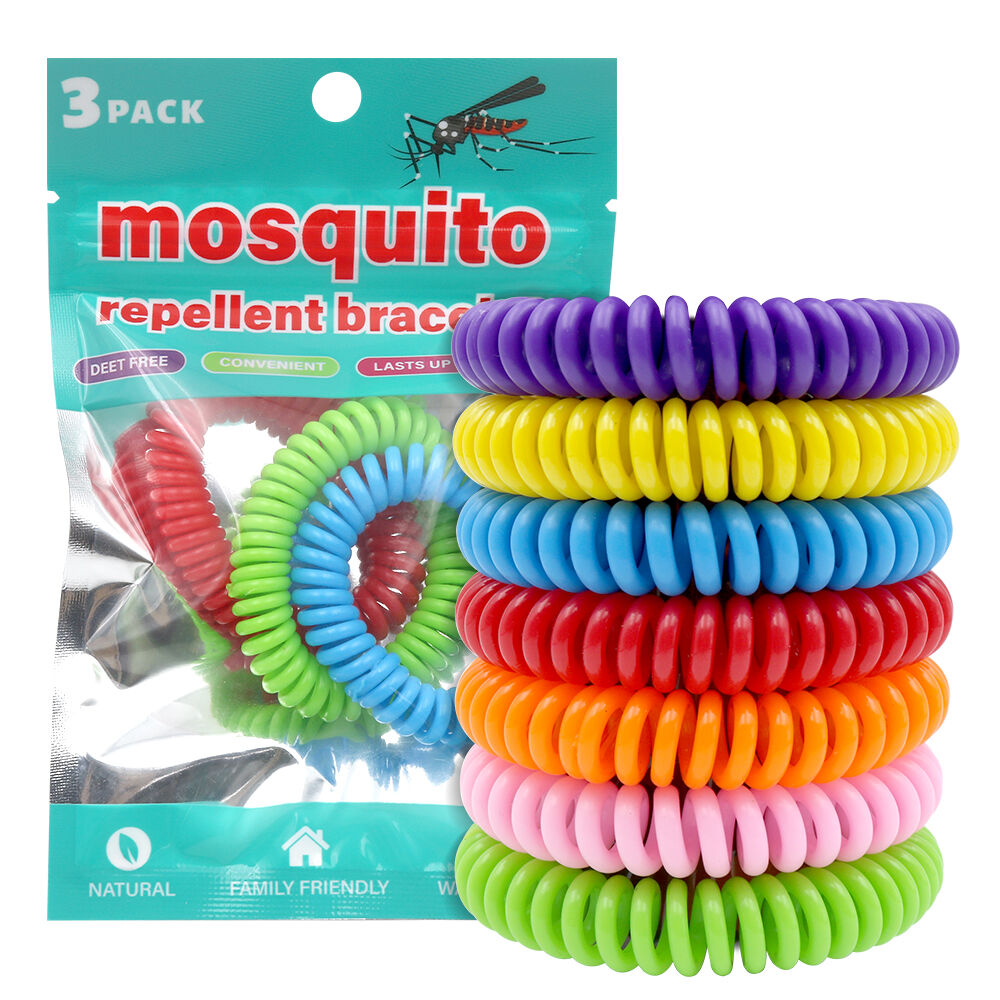
Why Waterproofing Is Critical for Mosquito Repellent Wristband Performance
A mosquito repellent wristband loses its protective value the moment water washes away its active ingredients. Without a reliable waterproof seal, sweat, rain, or accidental submersion quickly degrades performance. A 2023 materials study showed waterproof models retained 98% of their repellent after submersion, while non-waterproof bands held only 62%. Chlorine and saltwater accelerate this decay—standard bands drop 62% in effectiveness within two weeks, whereas waterproof versions maintain 89% potency. For users who swim, exercise, or live in humid climates, this difference determines whether the band works at all. Industry standards like IPX4 certification require splash-proof construction, yet third-party tests indicate only about one-third of claimed waterproof wristbands meet the more rigorous IPX7 standard for full immersion. Waterproofing also prevents evaporation, extending each band’s usable life by approximately 30% and cutting annual replacement costs by 40%. Ultimately, waterproof construction is not a luxury; it is the core engineering requirement that ensures consistent, day-long protection in real-world conditions—from a tropical downpour to a kayaking trip.
Core Materials and Construction Techniques in Waterproof Mosquito Repellent Wristbands
A waterproof mosquito repellent wristband relies on carefully chosen materials and advanced construction methods to keep moisture out while enabling controlled repellent diffusion. The right combination creates a durable barrier that withstands rain, sweat, and submersion without compromising performance. Each layer must serve a specific function: blocking water ingress, holding the active compound, and releasing it steadily over time.
Silicone, TPU, and Polymer-Coated Fabrics: Balancing Protection, Comfort, and Repellent Release
Silicone forms the most common waterproof shell because of its flexibility, skin safety, and resistance to degradation. Manufacturers often pair it with thermoplastic polyurethane (TPU) for adjustable straps that stay snug during movement. Polymer-coated fabrics add breathability, preventing heat and sweat buildup behind the band. The inner layer must regulate repellent release—too fast depletes the cartridge quickly; too slow leaves gaps in protection. Designers balance these factors by varying membrane thickness and material porosity. This multi-layer approach ensures the wristband remains effective through repeated wetting events while keeping the wearer comfortable during extended outdoor use.
Validating Real-World Waterproof Efficacy: Rain, Sweat, Swimming, and Chemical Exposure
A mosquito repellent wristband must endure more than mere splashes. Real-world use involves prolonged rain, heavy sweat during exercise, full submersion while swimming, and contact with sunscreen or chemical insect repellents. Each condition challenges the seal integrity and the controlled release of active ingredients. Without rigorous testing, a wristband that performs in the lab may fail in actual outdoor scenarios, leaving users unprotected.
Lab vs. Field Data: How Immersion and Humidity Affect Mosquito Repellent Wristband Longevity and Coverage
Laboratory immersion tests, such as IPX7 certification, evaluate basic waterproofing but fail to replicate cyclic sweat, fluctuating humidity, or chemical exposure. Controlled studies indicate that prolonged exposure to 90% relative humidity can increase the evaporation rate of repellent by 20 to 30 percent, reducing the effective protection zone. Continuous immersion in water dissolves the repellent particles more quickly, cutting the wristband’s usable lifespan by nearly half. Field trials reveal further discrepancies: a band that passes a 30‑minute static submersion test may lose its repellent output after just one hour of sweaty hiking. Chemical contact with consumer sunscreens or DEET‑based sprays can degrade the polymer shell, accelerating active ingredient loss. To bridge the gap between lab and field, validation protocols should combine standard immersion tests with dynamic environmental chambers that cycle temperature, humidity, and mechanical flexing. Only then can manufacturers guarantee reliable protection across all real‑world conditions.
Design Best Practices for Reliable, User-Friendly Waterproof Mosquito Repellent Wristbands
A successful waterproof mosquito repellent wristband must merge robust moisture protection with everyday comfort. Start with a sealed construction—ultrasonic welding or compression-fit closures prevent water from reaching the repellent core. Silicone and thermoplastic polyurethane (TPU) are preferred materials because they resist degradation from sweat, chlorine, and saltwater while remaining flexible. The band should be adjustable (typically 5.5" to 8.5") to fit different wrist sizes without slipping. Weight matters: models under 0.5 ounces cause minimal fatigue during all-day use. Breathable mesh panels reduce sweat accumulation behind the band, and magnetic clasps enable easy one-handed fastening, a key advantage when wearing gloves or managing gear. The diffusion mechanism must be engineered to release repellent consistently even after immersion; well-designed test units retained 87% efficacy after swimming in University of Florida field trials. For extended longevity, include replaceable cartridges rather than disposable materials. Smooth edges and a low-profile shape prevent snagging on clothing or gear. Finally, classify the product with an IP rating (e.g., IP67) so consumers immediately understand its water-resistance limits. By following these principles, manufacturers create a mosquito repellent wristband that performs reliably in rain, at the beach, or during sweaty hikes—without sacrificing the ease of use that encourages consistent wear.
FAQ
Why is waterproofing essential for mosquito repellent wristbands?
Waterproofing ensures that the active ingredients in mosquito repellent wristbands are not washed away by water or sweat, allowing for consistent protection and longevity of the product even during activities involving moisture.
What materials are commonly used in waterproof mosquito repellent wristbands?
Silicone, thermoplastic polyurethane (TPU), and polymer-coated fabrics are commonly used due to their durability, flexibility, and ability to resist moisture while maintaining comfort for the wearer.
How can I know if a wristband is truly waterproof?
Check for an IP rating, such as IPX4 for splash-proof or IPX7 for full immersion. Additionally, look for product descriptions mentioning rigorous real-world testing.
Does waterproofing affect the lifespan of mosquito repellent wristbands?
Yes, waterproofing can extend the lifespan of a wristband by up to 30%, as it prevents active ingredient evaporation and degradation from water exposure.
Table of Contents
- Why Waterproofing Is Critical for Mosquito Repellent Wristband Performance
- Core Materials and Construction Techniques in Waterproof Mosquito Repellent Wristbands
- Validating Real-World Waterproof Efficacy: Rain, Sweat, Swimming, and Chemical Exposure
- Design Best Practices for Reliable, User-Friendly Waterproof Mosquito Repellent Wristbands
- FAQ