 EN
EN

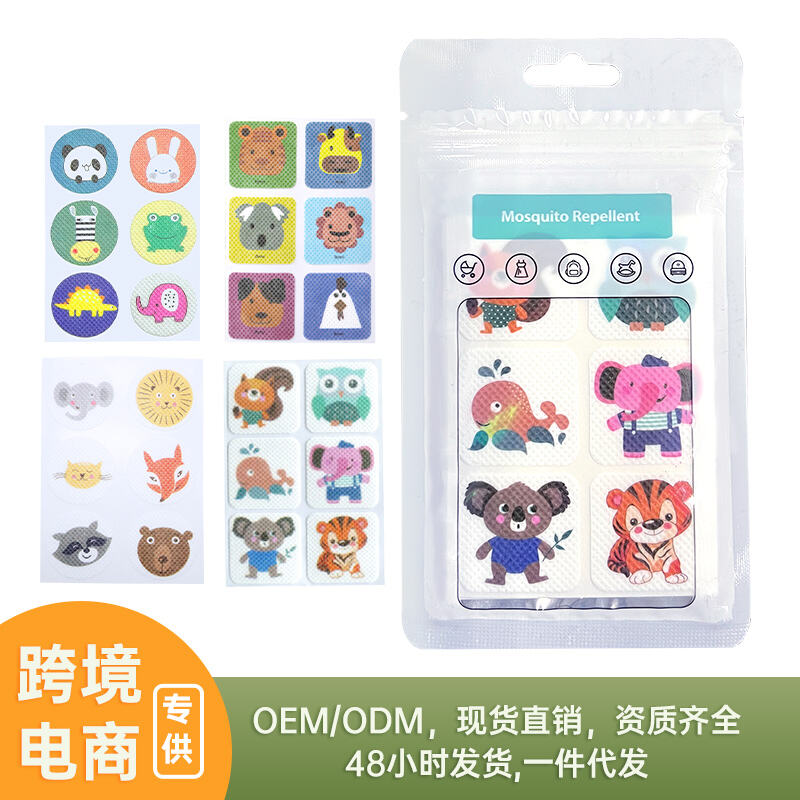
Global Regulatory Pathways for Mosquito Patch Approval
US EPA, EU Biocidal Products Regulation (BPR), and APAC-Specific Requirements
Regulatory approval for a mosquito patch varies significantly across regions, demanding a tailored strategy for each market. In the United States, the EPA classifies these products as pesticides and requires registration supported by comprehensive efficacy and safety data—including toxicology, environmental fate, and residue studies. The European Union operates under the Biocidal Products Regulation (BPR), which mandates a two-step process: first, approval of the active substance by the European Chemicals Agency (ECHA), followed by product authorization at the national or EU level. Across APAC, regulatory landscapes are fragmented: China’s NMPA requires full technical documentation—including Chinese-language submissions, GMP-certified manufacturing evidence, and local clinical or field trials—while Japan’s PMDA and South Korea’s MFDS enforce species-specific efficacy testing and strict labeling standards. A manufacturer must navigate these distinct pathways with precision to avoid costly delays and ensure timely market access.
Species-Specific Efficacy Validation and Climate-Adapted Performance Testing
Beyond general safety, a mosquito patch must prove its effectiveness against target mosquito species and under relevant environmental conditions. Both the EPA and EU BPR require efficacy data against locally prevalent vectors—such as Aedes aegypti in tropical urban settings or Anopheles gambiae in malaria-endemic regions—to substantiate public health claims. Climate-adapted performance testing is equally critical: high humidity accelerates volatile oil evaporation, while temperatures above 32°C increase transdermal diffusion rates by up to 50%, potentially shortening protection duration. Validation studies must therefore simulate real-world use—including sweat resistance, UV exposure, and extended wear under controlled climatic chambers—to satisfy regulators and build consumer trust. Field trials conducted across representative geographies provide the strongest evidence of consistent performance—and are increasingly expected by authorities in APAC and the EU.
Active Ingredient & Delivery System Optimization for Mosquito Patch Efficacy
Citronella, Geraniol, Lemon Eucalyptus, and DEET: Balancing Safety, Efficacy, and Demographic Suitability
Selecting the right active ingredient involves weighing protection duration, toxicity profile, and the target user’s age or sensitivity. Citronella and geraniol offer a natural, low-risk profile ideal for baby-safe and hypoallergenic designs—but their vapor-phase protection typically lasts only 2–4 hours before reapplication is needed. Lemon eucalyptus extract (PMD) provides longer efficacy—up to 6 hours—and is recognized by the CDC as a viable natural alternative. DEET remains the gold standard for high-risk, tropical environments, delivering 8+ hours of repellency, yet it is restricted in pediatric products due to potential skin irritation and neurotoxicity concerns. Demographic suitability thus dictates formulation: sensitive groups benefit from rigorously tested natural essential oils, while active adults or travelers in malaria-endemic zones may require DEET’s extended coverage. Notably, clinical trials show that even placebo patches reduce bites by 34%, underscoring that formulation quality—not just ingredient presence—determines real-world performance.
Advanced Encapsulation and Sustained-Release Transdermal Technologies for Long-Lasting Mosquito Patch Performance
To overcome the short duration of natural repellents and improve user compliance, modern mosquito patches employ encapsulation and sustained-release transdermal matrix technologies. Microencapsulation—using polymer or cyclodextrin shells—protects volatile actives from rapid evaporation and oxidation, releasing them steadily over 8–12 hours. This engineering reduces reapplication frequency and maintains a consistent repellent concentration in the vapor zone around the wearer. Sustained-release transdermal patches go further by controlling diffusion through a rate-limiting membrane, enabling precise dosing regardless of skin temperature or humidity. In high-heat conditions above 32°C, evaporation rate increases by 50%; advanced encapsulation buffers this effect, ensuring reliable protection without frequent patch changes. For global markets, these technologies allow a single mosquito patch formulation to perform reliably across diverse climates—from humid Southeast Asia to dry Mediterranean regions—combining natural or hybrid active ingredients with delivery reliability previously reserved for synthetic formulations.
Demographic-Specific Mosquito Patch Formulation Strategies
Baby-Safe, Hypoallergenic, and Chemical-Free Mosquito Patch Design Under Pediatric and ESG Standards
Protecting infants and young children demands a fundamentally different formulation approach. For this demographic, synthetic repellents such as DEET are avoided due to concerns about dermal absorption and neurodevelopmental risk. Instead, manufacturers prioritize plant-based actives—like citronella, geraniol, or lemon eucalyptus oil—that demonstrate measurable repellency while meeting pediatric safety thresholds established by the WHO, FDA, and EU SCCS. The patch substrate itself must be hypoallergenic: using medical-grade, latex-free adhesives and fragrance-free carriers prevents contact dermatitis in sensitive skin. Environmental, Social, and Governance (ESG) standards further compel the use of biodegradable backing materials and plastic-free packaging to reduce lifecycle waste. To validate performance, patches should undergo rigorous pediatric patch-testing for irritation and sensitization, as well as efficacy trials against local mosquito species—ensuring alignment with both regulatory expectations and evolving consumer demand for clean-label, sustainable solutions.
Natural vs. Synthetic Ingredient Preferences in Global Mosquito Patch Markets
APAC’s Herbal Dominance vs. North America and EU’s Preference for Hybrid, Clinically Validated Mosquito Patch Formulations
Consumer ingredient preferences for mosquito patches diverge sharply between major global markets. In the Asia-Pacific (APAC) region, traditional herbal ingredients dominate due to cultural familiarity and regulatory acceptance. Herbal-based mosquito patches featuring citronella, lemongrass, or eucalyptus account for a significant portion of regional sales, as consumers prioritize natural, chemical-free solutions. In contrast, North American and European markets increasingly favor hybrid formulations that combine plant-derived actives with clinically validated synthetics. This trend is driven by higher consumer expectations for proven efficacy: independent testing reveals that 78% of pure plant-based patches fail to maintain repellency beyond one hour. The North American mosquito repellent patches market—valued at approximately $148.6 million in 2025—reflects strong demand for performance-tested, hybrid products. As a result, global manufacturers must tailor their ingredient strategies: offering pure herbal variants for APAC while developing evidence-based hybrid formulas that assure safety, consistency, and long-lasting protection for Western consumers.
FAQ Section
What are the regulatory requirements for mosquito patches?
Approval processes differ across regions, with agencies like the US EPA, EU BPR, and APAC regulators requiring detailed safety and efficacy documentation.
What is the significance of species-specific efficacy testing?
Testing ensures mosquito patches are effective against prevalent mosquito types in specific regions, such as Aedes aegypti or Anopheles gambiae.
Which active ingredients are commonly used?
Citronella, geraniol, lemon eucalyptus, and DEET are popular choices, each suitable for different demographics and climates.
How can mosquito patches maintain long-lasting performance?
Using microencapsulation and sustained-release technologies helps protect active ingredients and ensures steady repellency over extended periods.
What formulations are suitable for infants?
Pediatric-safe patches use hypoallergenic materials and plant-based repellents like citronella or lemon eucalyptus, avoiding synthetic chemicals like DEET.
How do ingredient preferences vary globally?
APAC prefers herbal solutions, while North America and Europe lean towards hybrid formulations that balance safety and efficacy.