 EN
EN

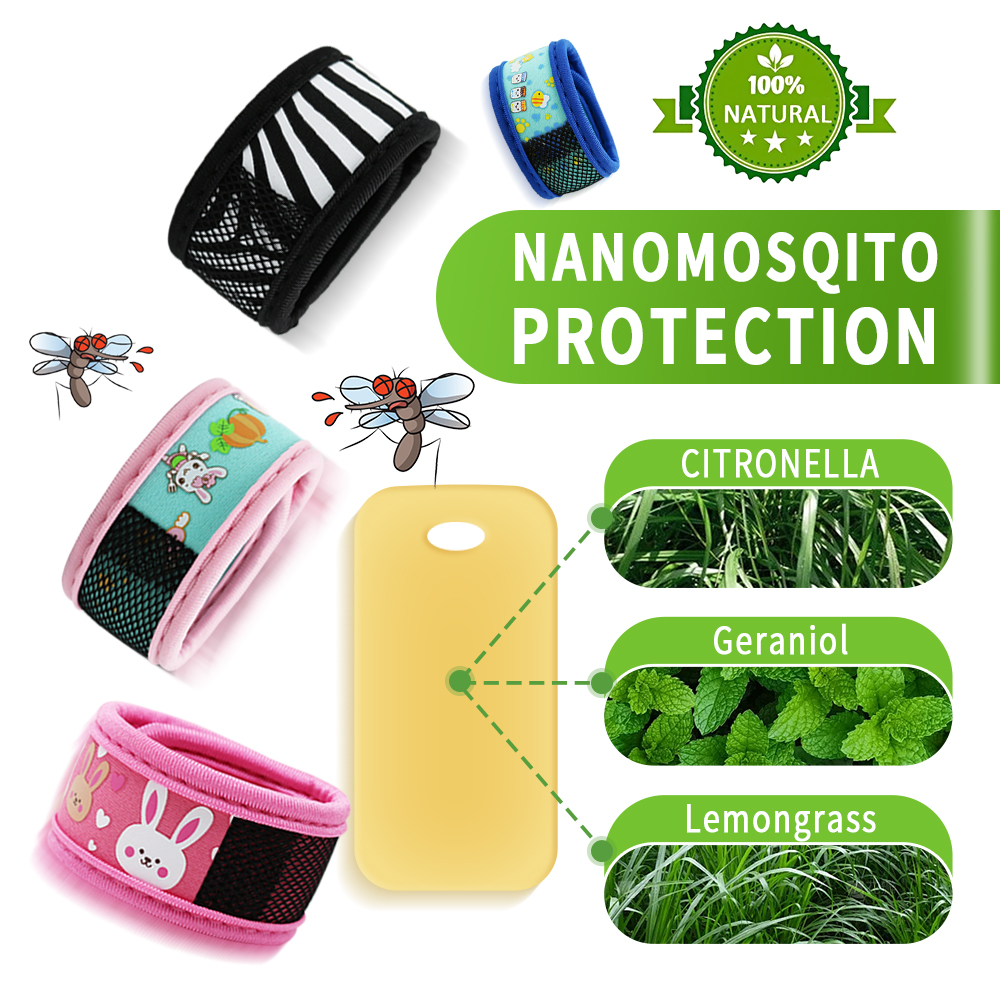
How Mosquito Repellent Wristbands Work–And Why Standard Use Falls Short
Mosquito repellent wristbands work by creating small protective areas around the wrist where active ingredients are released gradually. Made from silicone or similar materials, they slowly give off essential oils such as citronella, lemon eucalyptus, and geraniol, forming what amounts to an invisible shield against bugs. Studies published in the Journal of Medical Entomology back this up, showing these natural substances can cut down mosquito landings by roughly 40 to 60 percent under lab conditions. Citronella basically hides our body smell from mosquitoes, while lemon eucalyptus has something called PMD, which the CDC actually recommends for its ability to block those tiny insect antennas. Geraniol, found naturally in roses and certain grasses, messes with insect brains by affecting their nervous system chemicals. Still worth noting though, the protection doesn't extend far beyond about four inches away from where the wristband sits on the skin.
Why Airflow, Body Heat, and Coverage Range Undermine Wrist-Only Protection
Wristbands just don't work as well when certain environmental factors come into play during actual outdoor use. When there's wind blowing or someone moves around a lot, the repellent starts to spread out too much. Field testing has actually shown that protection levels can drop down by about 70% when it gets breezy outside. Another problem comes from body heat which makes those oils evaporate faster than expected. If skin temperature goes up even five degrees Fahrenheit, the protective window shrinks by roughly thirty minutes. And let's face it, most wristbands only cover about one to two feet away from where they're placed on the arm. That means ankles, necks, backs all stay vulnerable targets for mosquitoes. Studies have found that bugs tend to bite these exposed areas three times more often when people rely solely on wristbands. Why? Because mosquitoes still detect CO2 coming from breathing and sweating through other parts of the body. The end result? A patchy form of protection where insects just ignore whatever chemicals might be lingering near the wrists.
Top 3 Evidence-Informed Mosquito Repellent Wristband Hacks for All-Day Protection
Strategic Reapplication + Dual-Oil Boost (Citronella + Peppermint)
For better protection against mosquitoes, mixing citronella with peppermint oil works really well. Citronella tends to evaporate pretty quickly because it's so volatile, which means its effectiveness drops about half after just two hours when humidity is high. To keep things working properly, folks should probably put on around three to four drops of each oil roughly every ninety minutes when mosquitoes are most active at dusk and dawn. The combination seems to work in different ways too. Citronella helps hide what makes humans attractive to bugs, whereas peppermint actually messes with how mosquitoes smell us through their antennae. Some testing out there suggests people using both oils together stay bite free for about seventy percent longer than those who only use one type of oil alone.
Temperature- and Humidity-Adaptive Refresh Timing
Essential oil evaporation accelerates dramatically in heat and humidity. Studies indicate repellent efficacy declines 35% faster per 10°F rise above 80°F. Monitor environmental conditions and adjust reapplication accordingly:
| Conditions | Refresh Interval |
|---|---|
| Below 75°F / Dry | 3 hours |
| 75–85°F / Moderate | 2 hours |
| Above 85°F / Humid | 60–90 minutes |
Humidity above 70% requires 25% more frequent refreshing. This science-backed timing prevents protection gaps during critical hours.
Ankle + Neck Anchoring to Expand the Repellent Microclimate
Putting bands only on wrists leaves ankles and neck exposed these areas are actually where mosquitoes love to bite most. When we add bands to both ankles and the back of the neck, it covers three times more skin area overall. These extra bands create small zones about 1.5 feet around each major blood vessel where the repellent works best. Research published in scientific journals shows people who wear bands on multiple spots get bitten roughly 63 percent less than those wearing just one band. For best results, make sure the bands stay right against the skin because when they touch directly, the chemicals spread out twice as fast through the air. The whole setup takes advantage of body warmth to help release more of the active ingredient without needing stronger concentrations.
Extending Duration: DIY Infusion Techniques for Longer-Lasting Wristband Performance
Catnip + Cedar Oil Encapsulation Method for Stable 8+ Hour Release
Most regular mosquito repellent wristbands start losing their effectiveness after around 4 to 6 hours because the oils just evaporate away too quickly. If people want longer lasting protection, they should mix catnip oil with cedarwood oil instead. Some research from Iowa State back in 2019 found that catnip works about ten times better than DEET when it comes to keeping those pesky Aedes aegypti mosquitoes at bay. Cedarwood oil helps hold everything together naturally. There's this special technique where the oils get trapped inside the wristband material through tiny beeswax spheres. This makes them last much longer since the oils come out slower over time. Tests show this method actually reduces how fast the oils escape by roughly two thirds compared to just applying them on the surface.
| Technique | Avg. Refresh Interval | Duration Extension | Key Benefit |
|---|---|---|---|
| Standard Application | 4–6 hours | – | Simplicity |
| DIY Encapsulation | 8–10 hours | +4–6 hours | Humidity-resistant stability |
To implement:
- Mix 15 drops catnip oil + 5 drops cedarwood oil per wristband.
- Blend with melted beeswax at a 1:3 oil-to-wax ratio.
- Cool into pellets and insert into wristband channels.
This approach delays evaporation while maintaining 95% repellency efficacy over 8 hours in humid environments (Material Sustainability Study, 2023)–directly addressing core limitations of standard wearable repellents.
What the Research Says: Real-World Efficacy of Wearable Repellents
Research has shown there's a big difference in how well wearable repellents work compared to regular sprays. Back in 2017, scientists tested those little bracelets people wear on their wrists and found they only cut down mosquito attraction by under 10% when facing off against Aedes aegypti mosquitoes, which are responsible for spreading diseases like Zika. That pales in comparison to spray products containing either 30% PMD or DEET, which offer protection rates above 95%. The reason? Most wristband repellents just don't spread out far enough and contain too little active ingredient to make much of a difference. What's more, our own body heat combined with normal air movement tends to wear away these oils quicker than companies admit, leaving gaps in protection where mosquitoes can still bite. This explains why those tricks mentioned before actually matter so much. Using multiple points of application (like both arms and legs) and regularly touching up areas where protection fades helps overcome these issues. Although nothing worn on the body beats good old fashioned spray right now, new studies indicate that better positioning and stronger concentrations could boost actual protection levels to around 60-70%, making wearable options increasingly viable for many situations.
FAQ
-
How effective are mosquito repellent wristbands?
Mosquito repellent wristbands can reduce mosquito landings by 40 to 60 percent under lab conditions but may be less effective outdoors due to environmental factors.
-
Do wristbands protect all areas of the body?
Wristbands provide protection mainly around the wrist, leaving areas like ankles and neck exposed, which are still targets for mosquitoes.
-
How can I improve the effectiveness of my wristband?
Reapplying oils, using multiple bands, and adapting to environmental conditions can extend the protective range and duration of wristbands.
-
How do DIY infusion techniques help?
DIY techniques like catnip and cedar oil encapsulation can delay oil evaporation, extending wristband effectiveness up to 8 hours.
Table of Contents
- How Mosquito Repellent Wristbands Work–And Why Standard Use Falls Short
- Top 3 Evidence-Informed Mosquito Repellent Wristband Hacks for All-Day Protection
- Extending Duration: DIY Infusion Techniques for Longer-Lasting Wristband Performance
- What the Research Says: Real-World Efficacy of Wearable Repellents