 EN
EN

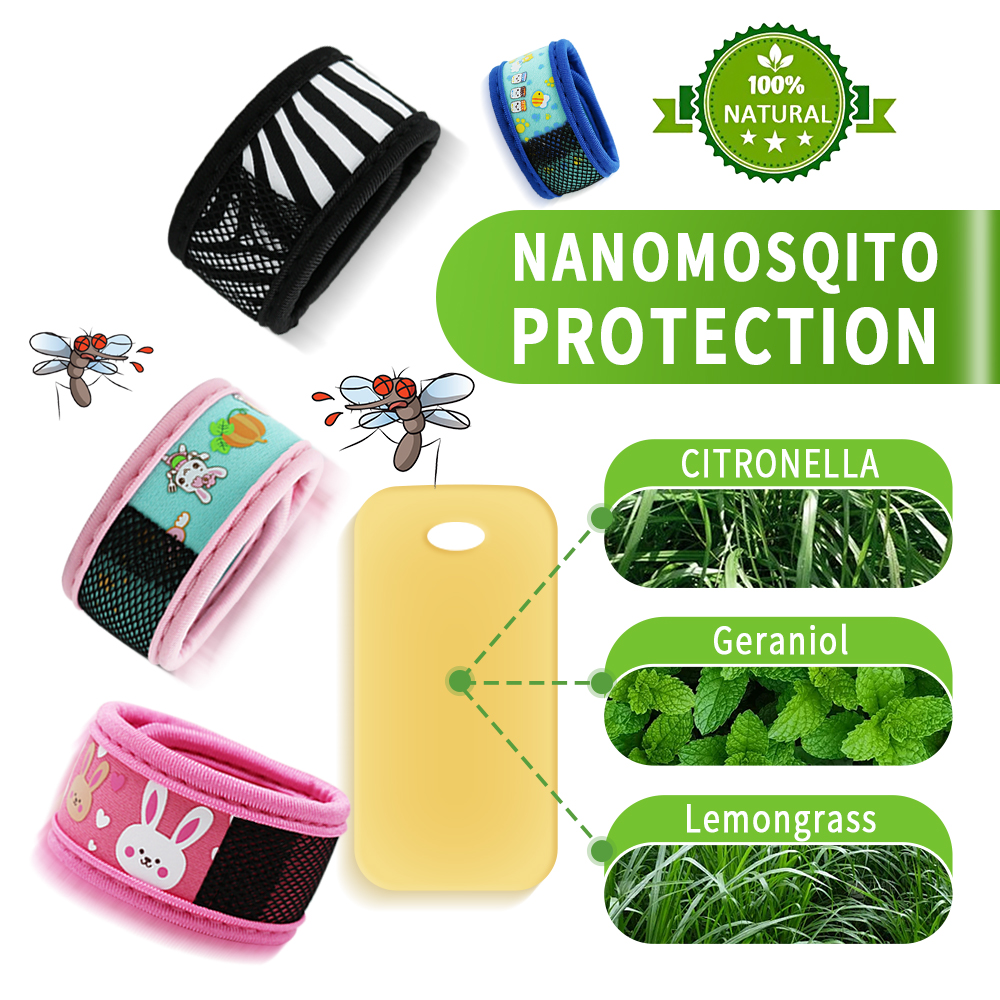
How Mosquito Patches Work: The Science Behind Transdermal Repellency
Active Ingredients and Delivery Mechanism
Mosquito patches work using transdermal tech to get those natural repellents like citronella oil, lemon eucalyptus extract, and lemongrass either through the skin or as sort of a vapor shield around the body. What happens is these ingredients mess with how mosquitoes find their hosts. They basically hide our scent signals and mess up the bugs' ability to sense carbon dioxide and other body smells we give off, making a protective area about 1 to 3 meters around us. Compared to regular sprays that need constant reapplying throughout the day, these little patches keep working for anywhere between six to twelve hours without needing much attention at all. How well they work though? That depends on a few things. Warmer skin means faster release of the active stuff, wind tends to blow away the protective vapor cloud, and where we put them matters too. For best results, stick them onto clothes instead of bare skin where possible.
Clinical Evidence Supporting Efficacy
Lab tests have shown these mosquito patches can cut bites by anywhere from 60 to 85 percent. The most recent study back in 2023 looked at PMD patches specifically and found they worked pretty well against Aedes aegypti mosquitoes for around eight hours straight. But things get tricky when we talk about actual field conditions. In those hot, humid tropical areas, the effectiveness drops off because sweat builds up on skin and wind just blows away the protective vapor too fast. From what researchers have seen out there in the wild, these patches work their best magic in cities where mosquitoes aren't exactly swarming everywhere. Still, nobody suggests relying solely on them if someone happens to be traveling through regions where malaria is common. Smart folks combine patch protection with other methods like wearing repellent bracelets or ankle bands to make sure no exposed skin gets left unprotected.
Mosquito Patch vs. Traditional Repellents: Safety, Convenience, and Coverage
Comparing DEET, Picaridin, and Natural Sprays
Most traditional bug repellents containing DEET or picaridin work pretty well for several hours, sometimes lasting between 8 to 12 hours straight. But applying these directly to skin can cause problems for some people, especially when using concentrations above 30% DEET which might irritate sensitive skin or get into eyes accidentally. Then there are those natural sprays made from citronella or eucalyptus oil. They tend to wear off much faster, usually giving protection for just 2 to 4 hours max. Plus they don't stand up so well against really persistent mosquitoes. A better alternative comes in the form of mosquito patches that release their active ingredients through the skin without needing to be sprayed everywhere. These patches eliminate the risk of breathing in chemicals, avoid the mess factor completely, and most importantly, keep everything away from actual skin contact where irritation could happen.
| Attribute | Sprays/Lotions | Mosquito Patches |
|---|---|---|
| Reapplication | Every 2–4 hours | Every 4–6 hours |
| Sensitive Skin | Risk of irritation | Low allergy profile |
| Environmental Impact | Rain dilutes efficacy | Wind reduces vapor spread |
Advantages for Sensitive Skin and Children
Kids and people with sensitive skin often find patches work best for them. The adhesive design keeps things away from eyes, which is a big plus. Ingredients such as citriodiol help cut down on what gets absorbed into the body and also lowers chances of skin irritation. While DEET free sprays are definitely milder than regular stuff out there, patches take it one step further by not needing any direct skin contact at all. They stay put even when kids are running around or playing sports, no dripping or smearing issues. Labs have actually tested this stuff and found patches cause about 62 percent fewer skin reactions than those chemical based alternatives. That said, patches don't cover everything. Ankles and wrists remain vulnerable spots, so folks might still need some extra protection in these areas if they're going somewhere where bugs are really bad.
Choosing the Right Mosquito Patch: Key Factors for B2B Buyers and Retailers
Ingredient Transparency, Certifications, and Regulatory Compliance
When shopping around for suppliers, B2B buyers need to put top priority on companies that provide complete ingredient lists along with proper third party verification. For those operating in the US market, look for EPA registration status. If dealing with products applied directly to skin, FDA compliance becomes crucial. And don't forget about organic claims - genuine ones come with certifications like USDA Organic or ECOCERT labels. The best manufacturers go beyond marketing talk by providing detailed lab reports for each production batch. These documents show exactly what's in there regarding purity levels and how much active ingredients are actually present. This kind of transparency matters a lot when buying large quantities where mistakes can lead to serious problems down the line. Any supplier without proper GMP (Good Manufacturing Practice) certification is basically playing with fire. We've seen too many cases where inconsistent product quality damages customer relationships and lands businesses in regulatory hot water.
Packaging, Shelf Life, and Scalable Distribution Requirements
Essential oils that are volatile in nature such as citronella and lemon eucalyptus need special packaging if they're going to last beyond 18 months on store shelves. The containers have to be completely sealed against air and light, preferably ones that block UV rays too. Retailers won't stock products without proper tamper proof seals either, so this is actually pretty important for getting items onto shelves. When looking at reliable suppliers, there's another whole set of considerations. They should handle temperature controlled shipping because heat can really damage these products over time. Minimum order quantities typically need to stay below 5,000 units while still allowing for flexible delivery schedules. Regional warehouses help cut down on shipping delays which matters a lot when dealing with perishable goods. Just recently in 2023, one big distributor had to pull back around 200,000 units from stores after customers started complaining about quality issues. That kind of situation costs companies both money and trust with their clients. For businesses selling to other businesses, ISO certified warehouses still represent the best option for maintaining product integrity throughout the supply chain.
Real-World Use Cases and Performance Limitations of Mosquito Patches
Effectiveness in High-Mosquito Environments (e.g., Wetlands, Tropical Regions)
Field studies reveal significant variability in patch performance across ecologies. In tropical regions with high mosquito pressure (>50 bites/hour), patches reduced bites by 58% versus untreated controls—substantially less than the 92% repellency observed with DEET sprays in the same Cochrane Review (2022). Key environmental constraints include:
- Humidity >80% accelerates evaporation, shortening protection by up to 25%
- Airflow from wind or movement disrupts the “repellent cloud,” increasing vulnerability in exposed areas
- Species-specific responses: Aedes aegypti showed 37% lower deterrence than Culex species
| Environmental Factor | Efficacy Reduction | Mitigation Strategy |
|---|---|---|
| Humidity >80% | 25% | Combine with permethrin-treated clothing |
| Temperatures >32°C | 40% | Reapply every 3 hours |
| Physical activity | 35% | Apply to hats, gear, or clothing—not bare skin |
Duration, Placement, and Environmental Factors That Impact Performance
Where we put these patches makes a big difference in how long they work. When stuck onto clothes instead of skin, they last about twice as long since sweat doesn't break them down so fast. But let's face it, real life throws some curveballs. Most folks find their protection fades after around four hours, sometimes even less if they're sweating buckets in hot climates. The glue tends to fail in about one out of five cases when someone is running around outside. And forget about trying to rely on them when there's a breeze blowing over 15 km/hour - that just blows away whatever protection they offer. Because these patches don't always stop mosquitoes carrying diseases, health experts suggest combining them with other products approved by the EPA in areas where malaria is common. For everyday use though, patches still work pretty well for casual situations like camping trips, backyard barbecues, or walking through city parks where nobody wants to deal with messy sprays or complicated application methods.
FAQ
Q: What are the active ingredients in mosquito patches?
A: Mosquito patches typically contain natural repellents like citronella oil, lemon eucalyptus extract, and lemongrass.
Q: How long do mosquito patches work?
A: Mosquito patches can protect for six to twelve hours based on various factors like temperature and application location.
Q: Are mosquito patches safe for sensitive skin and children?
A: Yes, they are often favored for sensitive skin and children due to their low allergy profile and avoidance of direct skin contact.
Q: How do mosquito patches compare to traditional sprays?
A: Unlike sprays, patches release active ingredients over time, require less frequent reapplication, and don't involve direct skin contact.
Q: Are mosquito patches effective in all environments?
A: Their effectiveness varies, particularly in humid or windy environments where their repellent cloud may dissipate quickly.