 EN
EN

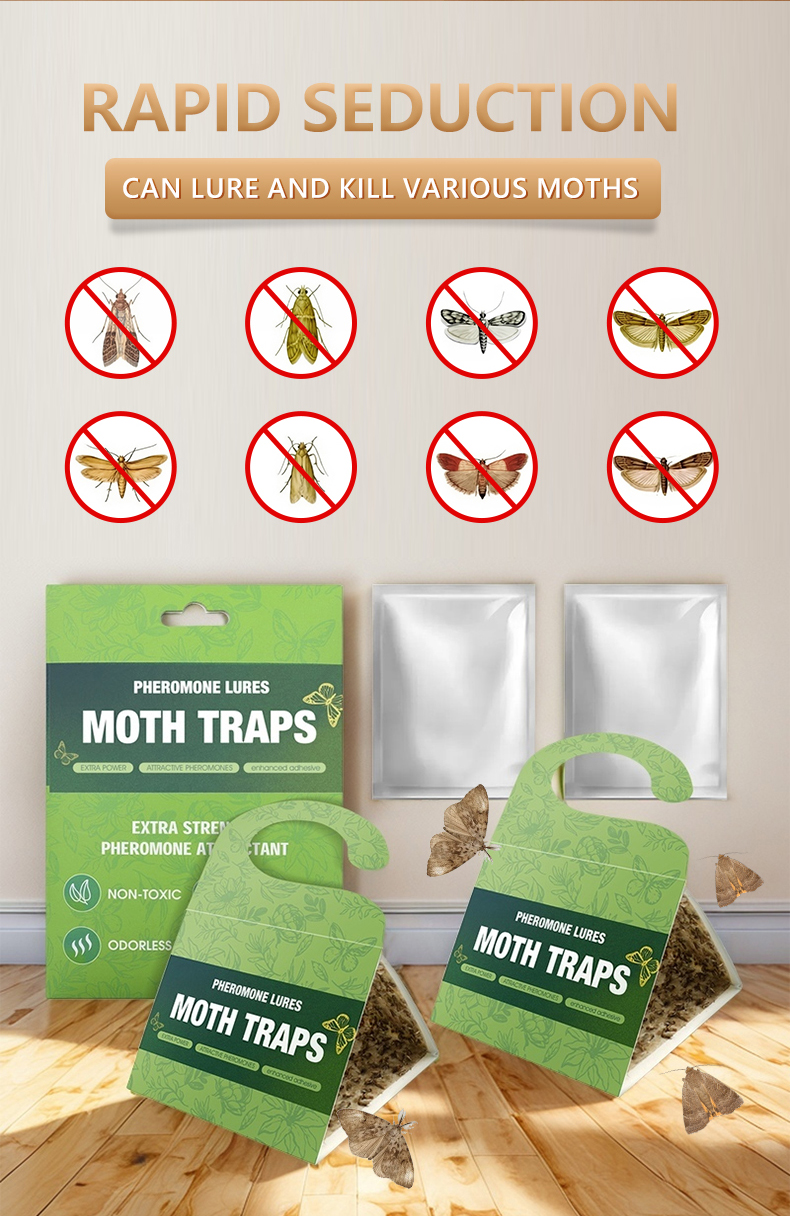
Seal Entry Points: The First Line of Defense in Pest Control
Insects and rodents can squeeze through gaps as tiny as a quarter inch, which is why sealing up these holes should be the first thing anyone does when dealing with pests. According to research from UK's Department of Entomology last year, nearly seven out of ten rodent problems start because there are gaps around pipes, wires, and cracks in foundations that weren't properly sealed off. When homeowners take steps to block these entry points before problems happen, they actually cut down on needing pesticides by almost half, according to numbers from the National Pest Management Association. This makes sense both for keeping chemicals out of the home and saving money long term.
Identifying and Sealing Cracks, Crevices, and Hidden Gaps
Systematically inspect your home's exterior using a flashlight during daylight hours, focusing on these critical zones:
- Foundation joints and mortar gaps where pipes or wires enter
- Gaps beneath doors and around window frames
- Cracks in siding or brickwork
Prioritize materials based on gap size and pest type:
| Gap Size | Recommended Material | Target Pests |
|---|---|---|
| < 1/4 inch | Silicone caulk | Ants, spiders, beetles |
| 1/4 – 1/2 inch | Copper mesh + caulk | Mice, rats |
| > 1/2 inch | Concrete patching compound | Raccoons, squirrels |
Apply sealants during dry conditions after thorough cleaning. Steel wool offers temporary rodent blocking but must be permanently sealed within 48 hours—moisture causes rapid degradation.
Screening Drains, Vents, and Windows to Block Pest Access
Putting 20 mesh stainless steel screens on every possible air vent makes sense since these spots are actually where most bugs get inside buildings. Structural pest experts say around a third of all insect invasions happen through things like attic vents, crawl spaces, and even those dryer exhaust pipes sticking out the back wall. When dealing with basement floor drains, go for covers that let water pass through but stop pests like roaches and drain flies from getting in. Check those window screens at least four times a year for tiny rips or damage. Any screen with holes bigger than about 1.6 millimeters should be replaced right away because that's roughly how wide a common housefly is. Instead of using regular staples, stick the frames together with silicone sealant material. Staples tend to come loose over time when weather changes, creating new gaps for unwanted visitors to slip through.
Eliminate Attractants: Sanitation and Food Source Control for Pest Control
Kitchen Hygiene Routines That Disrupt Ants and Cockroaches
Regular cleaning remains one of the best ways to keep kitchen pests at bay. After cooking, it's important to wipe down surfaces right away, particularly those tricky spots around grease traps and inside appliance gaps where bits of food tend to stick. Floors should get swept most nights, focusing on the often neglected spaces beneath fridge units and stove tops where tiny crumbs gather and invite ants in. Don't forget to clear out sink strainers each evening either since damp residue builds up there quickly and becomes a real magnet for cockroaches. Studies indicate kitchens maintained within half an hour after meals typically report about two thirds fewer pest problems. Weekly applications of vinegar work wonders on problematic areas such as backsplash walls and around garbage containers, effectively breaking down ant trails that lead straight to food sources.
Secure Storage of Dry Goods, Pet Food, and Compost
Cardboard boxes offer no protection against rodents—transfer cereals, flour, and pasta to glass or heavy-duty plastic containers with airtight seals. Elevate pet food bowls on stands and remove uneaten portions within two hours. For compost:
- Use dual-chamber tumblers with insect-proof gaskets
- Bury fresh scraps under 6 inches of brown material (e.g., dried leaves)
- Position bins at least 10 feet from home foundations
Sealed storage reduces pantry moth infestations by 89% compared to original packaging. Wipe storage shelves monthly with peppermint oil—a proven natural deterrent for grain beetles.
Control Moisture: Critical Environmental Adjustment for Lasting Pest Control
Fixing Leaks, Improving Ventilation, and Monitoring Humidity
Excess moisture creates ideal habitats for termites, cockroaches, and rodents by supplying hydration and breeding grounds. Address three core areas:
- Leaks: Promptly repair pipe, roof, and foundation leaks to eliminate water sources and prevent structural damage.
- Ventilation: Enhance airflow in basements, bathrooms, and crawl spaces to reduce condensation and humidity buildup.
- Humidity monitoring: Use hygrometers to maintain indoor relative humidity below 50%—a threshold shown to suppress pest activity by up to 70% (Pest Management Institute, 2023).
This integrated approach disrupts pest lifecycles at their source, making moisture control a non-negotiable pillar of prevention—and significantly reducing the need for reactive treatments.
Manage Waste Strategically: Trash and Recycling Protocols for Pest Control
Improper waste management provides food, moisture, and shelter for pests—increasing residential pest activity by up to 70% when trash is stored incorrectly. Implement these essential protocols:
- Use sealed containers with tight-fitting lids for all waste
- Remove kitchen and high-risk area trash daily
- Clean bins weekly with disinfectants to eliminate odor residues
- Position waste stations at least 10 feet from building entrances
- Rinse recyclables before storage to remove food residues
When organic waste starts breaking down, it gives off smells that pests can pick up from really far away sometimes over 100 feet. Getting rid of this stuff quickly matters a lot. Keep food scraps separate from paper towels and other dry stuff to prevent mixing problems later on. If storing outdoors, go for metal bins or tough plastic containers with good lids that actually lock shut—these will stop raccoons and mice from getting into them. Make sure there's space all around where waste sits so nothing has somewhere to hide, which makes checking things easier too. All these steps create basic protection against pests as part of any good pest control plan. They tackle what draws pests in the first place before other methods even come into play.
Adopt Integrated Pest Management (IPM) as Your Home Pest Control Framework
Behavioral, Structural, and Monitoring Tactics in IPM
Integrated Pest Management, or IPM for short, brings together different approaches like behavior changes, physical fixes, and regular checks into one practical system for controlling pests. When it comes to behavior, people should get rid of things that attract pests in the first place. That means keeping food stored properly in sealed containers and wiping up any messes right away instead of letting them sit around. For structural improvements, sealing those annoying little cracks where bugs can sneak in makes sense. Door sweeps and screens on windows also help keep unwanted guests out. Regular monitoring is another key part of this strategy. Checking areas periodically and setting traps strategically let homeowners catch problems early before they become big headaches. According to research from the National Pesticide Center published last year, this kind of comprehensive approach cuts down on chemical usage by about half compared to traditional pest control methods. The best part? It saves money on chemicals while still protecting homes and reducing harm to the environment, since treatments only happen when actual pest problems reach certain levels that need attention.
FAQ
How important is sealing entry points in pest control?
Sealing entry points is crucial as it prevents pests from entering your home, significantly reducing reliance on pesticides.
What materials can I use to seal gaps?
Material choice depends on gap size and target pests, ranging from silicone caulk for small gaps to concrete patching compound for larger gaps.
Why is moisture control essential in pest management?
Controlling moisture disrupts pest lifecycles, reducing infestations and the need for reactive treatments.
How can I implement Integrated Pest Management (IPM) at home?
IPM involves sealing entry points, proper food storage, regular cleaning, and monitoring to manage pests without excessive chemical use.
Table of Contents
- Seal Entry Points: The First Line of Defense in Pest Control
- Eliminate Attractants: Sanitation and Food Source Control for Pest Control
- Control Moisture: Critical Environmental Adjustment for Lasting Pest Control
- Manage Waste Strategically: Trash and Recycling Protocols for Pest Control
- Adopt Integrated Pest Management (IPM) as Your Home Pest Control Framework
- FAQ