 EN
EN

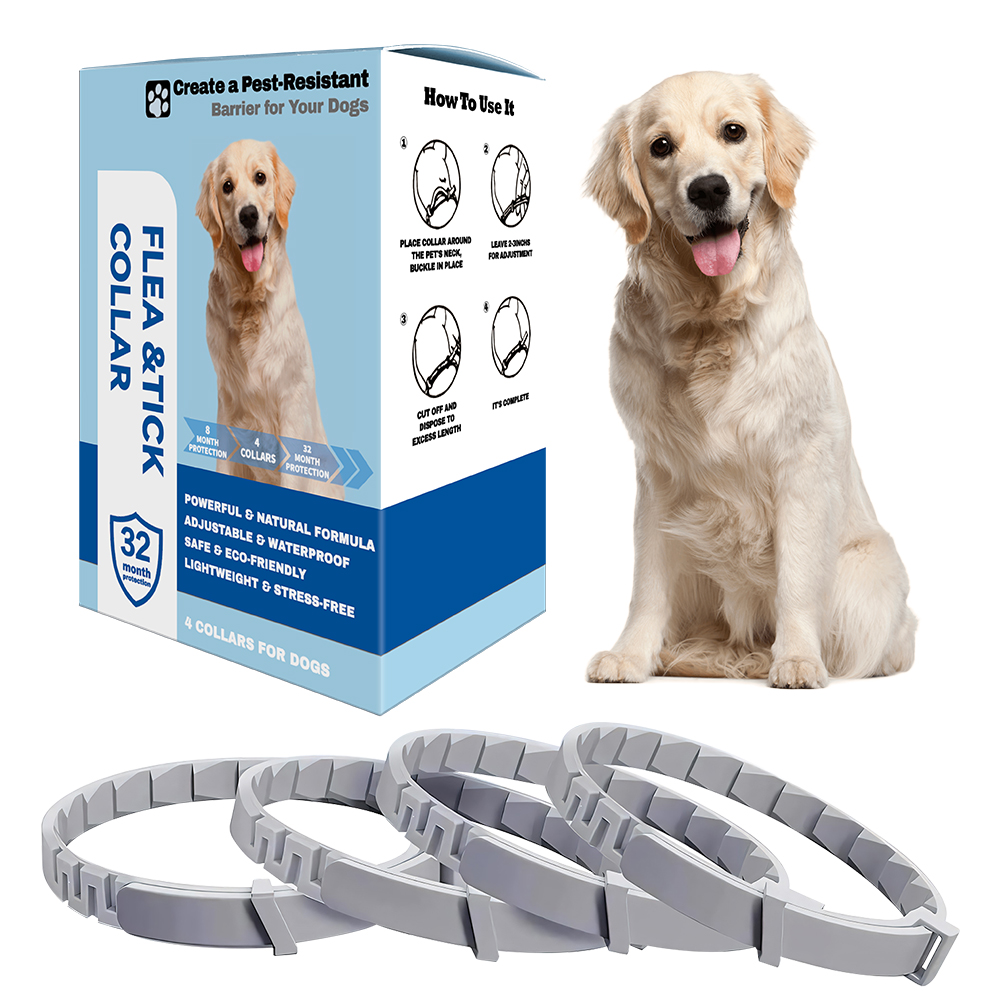
How Flea and Tick Collars Deliver Long-Lasting Protection
Dual-Active Ingredient Science: Imidacloprid + Flumethrin in Seresto®
Today's flea and tick collars work with a combination of two active ingredients to offer ongoing protection against pests. Take Seresto® for instance, which is registered with the EPA. It has this special polymer material inside that slowly lets out imidacloprid to tackle fleas and flumethrin for those pesky ticks. When pets go about their day, their own skin oils spread these chemicals all over their fur, creating something like a protective layer. Fleas die when they touch it, and any ticks already attached will be gone in around two days. What makes this collar stand out is how it actually stops fleas from laying viable eggs, breaking their whole reproduction cycle. Plus, even after regular baths or swimming sessions, the collar keeps working effectively. Most other products on the market only have one ingredient, so they tend to wear off faster or need to be reapplied often, which can get pretty annoying for pet owners.
EPA-Registered Efficacy: 7–8 Months of Proven Flea and Tick Control
The EPA has tested how well Seresto works in real world conditions, and their findings show it can protect pets from fleas and ticks for around 8 months if applied correctly. The numbers back this up pretty strongly too - clinical trials have shown effectiveness rates above 98% throughout that time frame. Some studies even found that pets wearing these collars had about 89% fewer cases of tick borne diseases than those left unprotected. What makes this product so effective is the way the ingredients are formulated to stay active on the skin without building up to dangerous levels. When fitting the collar, most pet owners find it helps to leave space equal to about two fingers between the collar and their dog's neck. And remember not to mix this with other products unless they're specifically approved, since some combinations might actually reduce effectiveness or cause unwanted reactions.
Critical Safety Considerations by Pet Species
Why Flumethrin Is Safe for Cats—Unlike Permethrin-Based Flea and Tick Collars
Felines process pesticides in their bodies quite differently from canines, which means we need special formulas made specifically for them. Flumethrin is one such product approved for cats. It works by targeting bugs' nervous systems without harming our feline friends because their bodies break it down efficiently through something called glucuronidation. On the flip side, permethrin found in many dog treatments can be deadly to cats when it causes their sodium channels to go haywire. According to research published last year in the Journal of Feline Medicine and Surgery, about nine out of ten cats show symptoms after coming into contact with permethrin, even in small amounts. These include shaking, high body temperature, and seizures. Products like Seresto® collars contain flumethrin at levels tested safe for cats and keep working properly even if they get licked or exposed to rain. Before putting any collar on a cat, always check that it's registered with the EPA and clearly labeled for feline use. Never risk using a dog collar meant for permethrin on a cat no matter how similar they might look.
Real-World Factors That Affect Flea and Tick Collar Performance
Bathing, Swimming, and Dense Coats: Managing Coverage and Longevity
The actual effectiveness of a flea and tick collar really comes down to whether the design works for the way our furry friends live their daily lives. Bathing or swimming regularly tends to wash away the ingredients faster, especially if the collar isn't built to resist water. That means protection might not last as long as expected. Collars designed to handle moisture exposure maintain their effectiveness over time, so they keep working properly for around seven to eight months straight. Dogs with thick or double coats sometimes have trouble getting good skin contact from these products, making it harder for the medicine to spread evenly across their bodies. Getting the right fit matters a lot too. Sometimes just moving the collar around a bit while brushing helps everything distribute better. Brushing regularly actually helps get those active ingredients down to where they need to go on the skin. Choosing the right kind of collar based on what kind of dog we have, how much they swim or play outside, and what kind of coat they carry makes all the difference in keeping parasites at bay for months on end.
Making the Right Flea and Tick Collar Choice for Your Pet's Lifestyle
Finding the proper flea and tick collar isn't simply about picking one that fits based on size alone. Start with fit first: the collar should rest close enough against the skin so there's room for two fingers between the animal's neck and the material, ensuring good contact without feeling tight. Young animals need special consideration since their immune systems are still developing and their skin tends to be more sensitive. Products like Seresto have been tested specifically for younger animals, which gives owners peace of mind regarding safe dosing levels. Active pets that love swimming, hiking trails, or hang out where ticks are common really need something that can stand up to water and lasts longer in real world conditions. For these cases, look for collars registered with the EPA that actually work well over time according to field tests. When dealing with pets that show signs of sensitivity or allergy issues, always check with the vet first. Although Seresto generally doesn't cause problems for most animals, reactions can happen occasionally. Making smart choices about collars takes into account what works best for each specific pet type, their environment, and proven effectiveness from actual research studies.
FAQ
How do flea and tick collars work?
Flea and tick collars work by releasing active ingredients that spread over the pet's skin and fur, forming a protective layer. This layer kills fleas and ticks upon contact and prevents flea eggs from becoming viable, disrupting their life cycle.
How long does a flea and tick collar last?
Most effective flea and tick collars, like Seresto, offer protection for 7 to 8 months if properly applied. Regular activities like bathing or swimming may slightly impact the longevity.
Are flea and tick collars safe for cats?
Certain ingredients like flumethrin are safe for cats because they're specifically designed for feline use and are broken down efficiently in their bodies. However, collars containing permethrin should never be used on cats because they can be toxic.
How should I fit a flea and tick collar?
A flea and tick collar should fit closely to the animal's neck with enough room to insert two fingers between the neck and the collar, ensuring good contact without being too tight.
Can flea and tick collars be used with other treatments?
Flea and tick collars should generally not be mixed with other products unless specified safe by a vet or manufacturer, as some combinations may reduce effectiveness or cause adverse reactions.