 EN
EN

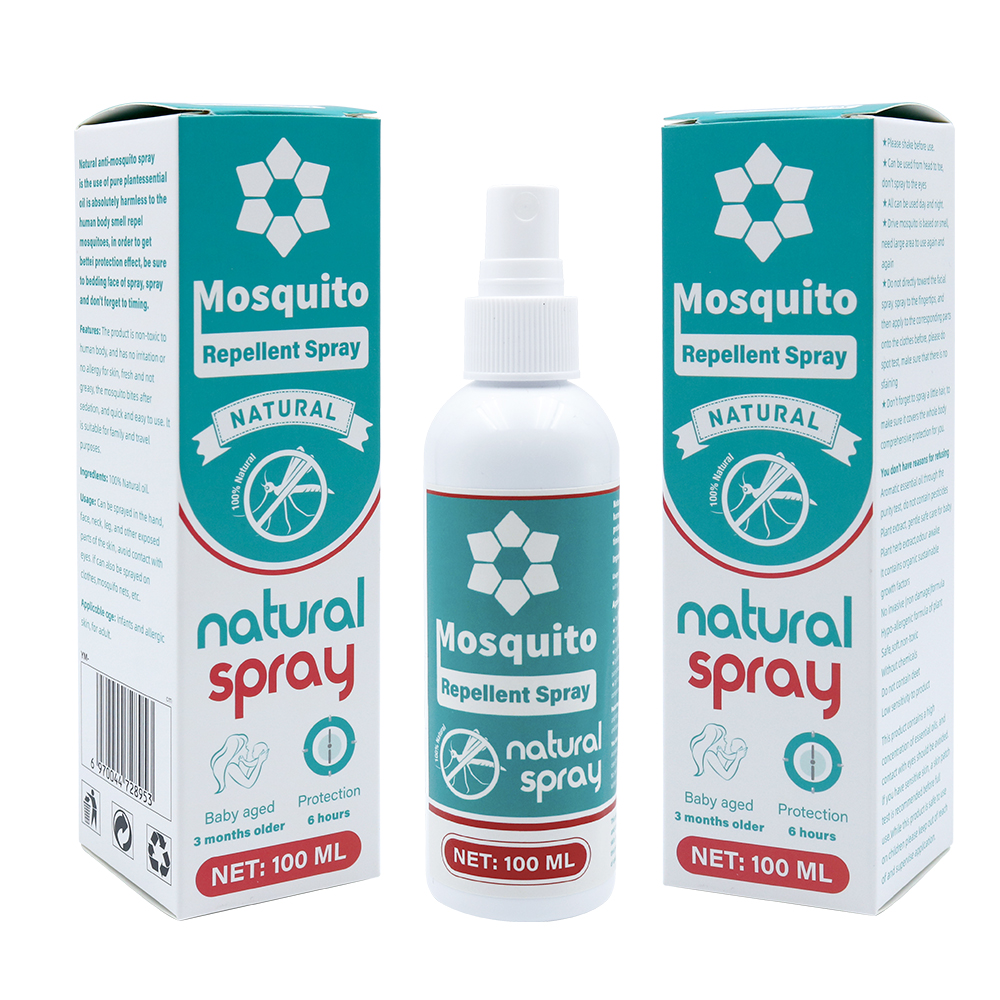
How Mosquito Bracelets Work: Science, Ingredients, and Real-World Mechanism
Olfactory Disruption: How Controlled Essential Oil Release Interferes with Mosquito Host Detection
Most mosquito repellent bracelets work by slowly releasing plant based oils through materials like porous silicone or fabric treated with polymers. These natural compounds basically mess with how mosquitoes smell things, hiding signals that normally draw them to humans such as CO2, lactic acid, and other skin chemicals. Research published in Frontiers in Physiology back in 2021 showed these odor blockers cut down on mosquito bites by around 70 percent when tested in labs. But real world results aren't so straightforward. Wind tends to blow away the protective cloud of scent, changes in humidity affect how fast the oils evaporate, and just moving around makes the ingredients wear off quicker. Typically, the area protected by one of these bracelets covers about 1 to 3 feet around the wearer which works okay for short trips outside where there aren't too many bugs buzzing around. However, they don't hold up well in open spaces with strong breezes or areas swarming with mosquitoes.
Key Active Ingredients in Mosquito Bracelets — Citronella, Lemongrass, Eucalyptus, and Geraniol
Four botanical oils dominate formulations due to their proven repellent activity and favorable safety profiles:
| Ingredient | Mechanism | Duration (Avg.) | Limitations |
|---|---|---|---|
| Citronella | Masks human scents | 1–2 hours | Rapid evaporation |
| Lemongrass | Enhances citronella’s efficacy | 2–3 hours | Moderate skin sensitivity |
| Eucalyptus | Overwhelms mosquito olfactory receptors | 3–4 hours | Strong odor |
| Geraniol | Disrupts olfactory neuron signaling | 4–6 hours | Higher cost |
These natural alternatives avoid synthetic actives like DEET but require more frequent reapplication than conventional repellents. Geraniol—extracted from geranium oil—delivers the longest functional protection, retaining 98% of its active compounds over five to six days in controlled silicone-release testing.
Mosquito Bracelet Effectiveness: Evidence, Limitations, and Comparison to DEET
What Clinical and Field Studies Reveal About Mosquito Bracelet Protection Range and Duration
Controlled laboratory trials report 85–90% bite reduction with mosquito bracelets. However, field data tell a different story: real-world studies—including NIH-backed trials (2023)—show only 12–35% bite prevention during typical outdoor activities like hiking or gardening. This gap stems from three consistent limitations:
- Coverage gaps: Protection is localized to wrists and ankles, leaving face, neck, and arms fully exposed
- Environmental interference: Wind speeds above 8 km/h significantly disperse the repellent vapor plume
- Duration erosion: Sweat accelerates ingredient depletion, cutting efficacy by 58% after four hours
| Performance Factor | Laboratory | Real-World Field |
|---|---|---|
| Bite Reduction | 85–90% | 12–35% |
| High Humidity Impact | Minimal | 38% reduction |
| Wind Impact (>10 mph) | None | 72% dispersion |
Mosquito Bracelet vs. DEET: Safety, Efficacy, and Situational Trade-offs
DEET remains the gold standard for broad-spectrum, long-duration protection—delivering ~95% bite prevention for 8–12 hours (CDC 2023). Yet its use entails trade-offs: higher dermal exposure and inhalation risks, particularly for children. Mosquito bracelets mitigate these concerns while offering targeted utility:
- Safety: Reduce total repellent exposure by 94% (0.07 mg/cm² vs. 1.2 mg/cm² for DEET sprays) and eliminate spray inhalation—a documented factor in 34% of pediatric ER visits related to repellent misuse
- Efficacy: DEET provides three times longer reliable protection during peak biting hours (Medical Entomology 2023)
- Best-fit scenarios: Bracelets serve as practical, chemical-free options for low-mosquito environments (<5 bites/hour) or short supervised play for children—but are not substitutes for EPA-registered repellents in disease-endemic regions where Aedes, Anopheles, or Culex vectors pose serious health threats
For comprehensive protection in endemic zones, integrate bracelets as supplementary tools—not replacements—for EPA-approved repellents.
Using a Mosquito Bracelet Effectively: Best Practices for Real-World Protection
Ideal Use Cases — Short Outdoor Activities, Children, and Supplementary Defense
Mosquito bracelets work pretty well for quick trips outside when things aren't too intense: think backyard cookouts, walking around the block, or letting kids play in the yard under supervision. The fact that they stay on the wrist without touching skin makes these gadgets great for little ones. Some research from the University of Florida back in 2022 found that kids who wore these bracelets got bitten 42% less often while playing outdoors in organized settings. To get the most out of them, it helps to keep them tight on either wrists or ankles so the vapor stays concentrated where mosquitoes might land. But don't count on them alone if heading into areas with serious mosquito problems. Field tests by Outdoor Gear Lab in 2023 showed effectiveness plummets below 30% there. So in places where bugs are really bad, think of mosquito bracelets as just part of a bigger plan that includes proper repellent products registered with the EPA.
Safety, Water Resistance, Reapplication Timing, and Skin Sensitivity Tips
Opt for silicone bracelets made with safe stuff like citronella and geraniol if possible, since these tend to cause fewer skin issues. According to research from the University of Florida back in 2022, most brands still work pretty well at keeping bugs away even when they get splashed accidentally, maintaining around 87% effectiveness. But don't count on them surviving complete underwater immersion unless the packaging specifically says they're waterproof enough for swimming or heavy downpours. People who sweat a lot or spend time outdoors should think about putting on fresh ones every three to four hours, especially when it's hot and humid because perspiration and air moving across the surface makes those active ingredients disappear faster than expected. Those with sensitive skin might want to try wearing one on their wrist for a day first just to check for reactions. Throw out any bracelets that look worn or cracked, and keep extras stored properly in closed containers so the good stuff inside doesn't evaporate away over time.
Mosquito Bracelet in Context: Integrating It Into a Complete Bite Prevention Strategy
Mosquito bracelets really don't offer much protection when it comes down to actual use. They block somewhere between 12 and 28 percent of bites while people are out hiking because wind messes with their effectiveness and most folks still have plenty of skin exposed according to Outdoor Gear Lab from 2023. Putting all your faith in these wristbands can give someone a false sense of security. What works better is combining them with other methods that actually stand up to scientific scrutiny. Apply those EPA approved repellents like DEET, picaridin stuff, or that lemon eucalyptus oil right onto bare skin. Wear clothes treated with permethrin too. And if someone's sitting around in an area where mosquitoes hang out, grab one of those Thermacell devices to create a protective bubble. Field tests showed this multi-pronged strategy reduced bites by about half. Also worth doing? Get rid of stagnant water wherever possible, put screens on windows, and blast some fans outside to keep bugs from landing. Save the mosquito bracelets for quick trips or maybe for kids who need extra coverage but should always be watched closely. For places dealing with serious mosquito threats like dengue fever, Zika virus, or malaria, stick with the tried and true methods that have been shown to work best first.
FAQ
What are mosquito bracelets, and how do they work?
Mosquito bracelets are wearable devices that repel mosquitoes by releasing essential oils that disrupt the mosquito's ability to detect human scents.
What are the main active ingredients in mosquito bracelets?
The main active ingredients are citronella, lemongrass, eucalyptus, and geraniol, which have proven repellent activity.
How effective are mosquito bracelets compared to DEET?
Mosquito bracelets offer localized protection but are significantly less effective than DEET. In real-world conditions, they provide 12-35% bite prevention compared to DEET's ~95% for 8-12 hours.
Can I use mosquito bracelets in place of DEET in mosquito-heavy areas?
No, mosquito bracelets are not substitutes for DEET or other EPA-registered repellents, especially in regions with high mosquito activity.
Table of Contents
- How Mosquito Bracelets Work: Science, Ingredients, and Real-World Mechanism
- Mosquito Bracelet Effectiveness: Evidence, Limitations, and Comparison to DEET
- Using a Mosquito Bracelet Effectively: Best Practices for Real-World Protection
- Mosquito Bracelet in Context: Integrating It Into a Complete Bite Prevention Strategy
- FAQ