 EN
EN

How Long Do Flea and Tick Collars Actually Last? Factors That Impact Duration
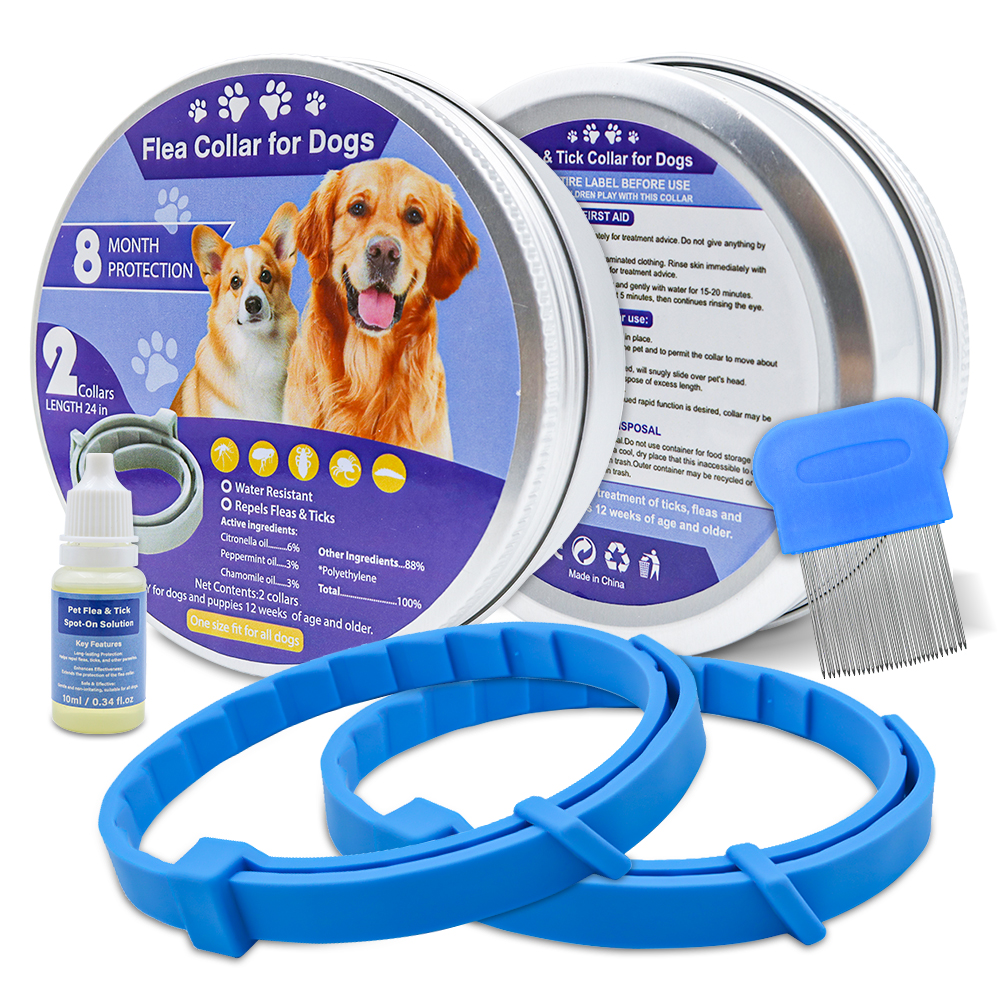
Conventional vs. Plant-Based Claims: Why Seresto’s 8-Month Label Doesn’t Equal Real-World Performance
When manufacturers tout those "8 month protection" promises for regular flea and tick collars, what they're really talking about are lab tests under perfect conditions, not what happens when our pets actually wear these things outside. The truth is, according to various independent research plus information from the EPA, stuff like water exposure tends to break down those synthetic chemicals pretty quickly in reality. We're talking around 40% degradation just after four months, which means the collar isn't working nearly as well as advertised anymore. Plant based options usually claim protection for somewhere between 2 to 6 months instead. These products focus more on being safe for animals and having fewer toxic effects rather than lasting forever. That makes them popular among folks who worry about their pets coming into contact with harsh chemicals all the time.
Key Lifespan Influencers: Bathing, Sun Exposure, Coat Thickness, and Climate
Four primary factors determine the actual lifespan of any flea and tick collar:
- Bathing frequency: Regular shampooing strips natural oils and accelerates the loss of active ingredients, reducing efficacy by 15–30% with monthly baths
- UV exposure: Prolonged sunlight decomposes both synthetic and natural compounds, with degradation occurring 50% faster in humid, sunny climates
- Coat density: Thick or double coats can slow the diffusion of active ingredients, delaying full protection and requiring closer contact with the skin
- Environmental extremes: Exposure to saltwater, chlorine, or freezing temperatures compromises collar integrity and shortens effective duration
No collar maintains peak performance under all conditions. Realistic expectations—based on lifestyle and environment—are essential for reliable parasite protection.
Plant-Based Flea and Tick Collar Efficacy and Verified Duration
EPA-Registered Natural Ingredients—Cedarwood, Neem, and Citronella—and Their Documented Repellent Windows
The EPA has identified various plant derived substances including cedarwood oil, neem extract, and citronella as effective against fleas and ticks. Natural products tend to work mainly by making contact with these pests, either messing with their nervous system functions or covering up the scent that attracts them to hosts. Cedarwood oil forms what's basically a protective vapor layer around pets, which can last anywhere from two to three months depending on conditions. Citronella based collars generally offer protection for about a month or so before needing replacement. The main ingredient in neem, called azadirachtin, actually stops insects from growing properly and makes them lose interest in eating. But here's the catch: tests conducted independently reveal that most of these natural collar options start losing effectiveness somewhere between eight to ten weeks because those nice smelling essential oils just evaporate away, especially if they get hot or wet during normal pet activities.
Do Any Plant-Based Flea and Tick Collars Deliver 6+ Months of Consistent Protection?
At this point, there are no plant based flea and tick collars that have shown real scientific proof of protection lasting six months or beyond. Synthetic collars work differently because they contain these special polymer structures that slowly release chemicals over time. Natural alternatives depend on essential oils though, which tend to break down faster when pets get hot, spend time outside in sunlight, or live in humid environments. Testing in actual field conditions shows that even the best quality botanical collars maintain effectiveness above 90 percent for around three to four months typically. When temperatures go above 85 degrees Fahrenheit, the protection period gets cut down quite a bit sometimes by half. During those busy flea and tick season periods, many pet owners find it works better to combine a plant based collar with something else like a natural spray applied directly to the fur or treating the home environment where pests might hide.
Flea and Tick Collar Safety, Sustainability, and Long-Term Value Trade-Offs
When picking out a flea and tick collar for our furry friends, we need to weigh how well it works against factors like safety, eco-friendliness, and what it'll cost over time. Natural options often contain stuff like cedarwood oil instead of harsh chemicals. These plant based products generally aren't as toxic to animals, kids playing around in the house, or even people who might accidentally touch them after application. That makes sense when looking at alternatives containing synthetic poisons like imidacloprid or flumethrin found in many commercial brands. The reduced toxicity means fewer chances of skin irritation or other problems that would send us rushing to the vet with worried pets.
Eco-friendly dog collars come from materials that break down naturally and are manufactured in ways that emit less carbon into the atmosphere, which cuts down on overall environmental damage. The downside though is these collars don't last as long as regular ones. Most need replacing somewhere between three to six months, which actually ends up costing more over time when compared with standard synthetic collars that typically last around eight months. Still, plenty of pet parents think it's worth paying extra because they cause less harm to the planet and are generally safer for pets, especially those with sensitive skin or allergies. Looking for third party certification labels showing a product is truly non toxic and will decompose properly helps consumers pick items that match their commitment to animal health while still being kind to the environment.
Maximizing the Lifespan of Your Flea and Tick Collar—Especially Plant-Based Ones
Proper Fit, Storage, and Water Avoidance to Extend Effective Protection
Want to get more mileage out of those plant based flea and tick collars? Proper care makes all the difference. First things first, make sure the fit is right. There should be room to slip two fingers between the collar and your pets neck so it stays in place but doesn't choke them. For storage, keep extra collars sealed tight in containers where they won't sit in heat or get baked by sunlight. We've seen cedarwood and neem oil break down pretty quickly under UV light sometimes losing around half their strength in just a few weeks. Water is another big enemy. Take the collar off before giving your pet a bath or letting them swim, and definitely dry it thoroughly if it gets rained on. Even the ones labeled water resistant start to fail fast when constantly wet because the moisture washes away those precious essential oils. Stick with these tips and most plant based collars will last about six months when stored properly, which means fewer trips to buy replacements and saving money in the long run.
FAQ
How long do synthetic flea and tick collars typically last?
Synthetic flea and tick collars can last up to 8 months under ideal conditions, but in real-world situations involving water and sun exposure, their effectiveness can diminish earlier.
What factors affect the duration of flea and tick collars?
Factors such as bathing frequency, UV exposure, coat density, and environmental conditions like saltwater or chlorine exposure can all reduce the lifespan of flea and tick collars.
Are plant-based collars effective against fleas and ticks?
Yes, plant-based flea and tick collars are effective but generally for shorter periods. They often use natural ingredients like cedarwood oil, neem extract, and citronella, offering protection for a few months.
How can I extend the life of my plant-based flea and tick collar?
To extend the life of your plant-based collar, ensure a proper fit, store in cool, dry places away from sunlight, and avoid water exposure by removing the collar during baths and swimming.
Table of Contents
- How Long Do Flea and Tick Collars Actually Last? Factors That Impact Duration
- Plant-Based Flea and Tick Collar Efficacy and Verified Duration
- Flea and Tick Collar Safety, Sustainability, and Long-Term Value Trade-Offs
- Maximizing the Lifespan of Your Flea and Tick Collar—Especially Plant-Based Ones
- FAQ