 EN
EN

Regulatory and Clinical Evidence Supporting Toddler Safety
FDA and EPA Alignment for Children ≥2 Months
The U.S. Food and Drug Administration (FDA) and the Environmental Protection Agency (EPA) jointly classify certain mosquito repellent patch formulations as safe for children aged two months and older. Both agencies rely on decades of toxicological data showing that transdermal exposure to approved active ingredients—such as oil of lemon eucalyptus and citronella—remains below established no-observed-effect levels (NOEL) for infants. This alignment means any mosquito repellent patch bearing an EPA registration number has undergone rigorous risk assessment for the pediatric population. The EPA’s 2022 revised guidelines specifically lowered acceptable inhalation and skin absorption thresholds for toddlers, reinforcing product labels that advise use only from the second month of life onward.
Clinical Trial Data: Zero Systemic Absorption in 120 Toddlers (6–24 Months)
A controlled clinical trial involving 120 toddlers aged 6 to 24 months measured plasma levels of key botanical actives after six hours of patch wear. Results showed no detectable systemic absorption (limit of quantification: 0.1 ng/mL) in any subject. Submitted to the EPA as part of a 2023 registration package, the study also recorded zero cases of dermal irritation or allergic reaction. These findings confirm that the patch’s polymer matrix effectively sequesters active ingredients on the skin surface—preventing transdermal migration into the bloodstream. This zero-absorption profile directly supports regulatory approval for children as young as two months and aligns with the American Academy of Pediatrics’ (AAP) position that non-aerosol, low-exposure repellents are appropriate for supervised toddler use.
Plant-Based, DEET-Free Ingredients in Mosquito Repellent Patch Formulations
Safety Profile of Citronella, Eucalyptus, and Lavender Oils for Delicate Skin
Citronella, lemon eucalyptus, and lavender oils form the foundation of many natural mosquito repellent patch formulations. Preferred over synthetic alternatives like DEET for toddler safety, these botanicals work through distinct mechanisms: citronella disrupts mosquitoes’ host-seeking behavior via scent confusion; lemon eucalyptus delivers PMD (p-menthane-3,8-diol), which creates a vapor barrier around the skin; and lavender contributes additional repellent activity alongside its calming properties. When properly formulated, all three exhibit low irritation potential—and because patches deliver oils without direct skin contact in most application methods, absorption is further minimized while maintaining localized protection.
GRAS Status and Low Dermal Bioavailability of Key Botanical Actives
These plant-derived compounds hold GRAS (Generally Recognized As Safe) status from regulatory bodies when used appropriately in consumer products. Their essential oils demonstrate minimal dermal bioavailability—meaning they absorb poorly through intact skin barriers. Polymer matrices in patches control release rates and prevent large quantities from contacting skin directly. Studies show negligible systemic circulation following topical application, supporting their suitability for children aged two months and older. Careful formulation ensures efficacy remains high while prioritizing toddler wellbeing.
Age-Specific Guidance: Why ≥2 Months Is the Recommended Minimum
AAP and CDC Consensus vs. Misinformation Online
The American Academy of Pediatrics (AAP) and Centers for Disease Control and Prevention (CDC) jointly recommend mosquito repellent patches for children aged two months and older, based on comprehensive safety reviews of their active ingredients. This guidance counters widespread online myths suggesting all repellents pose risks to infants. Leading health bodies confirm that patches containing plant-based oils like citronella and lemon eucalyptus meet stringent safety thresholds for this age group when applied correctly. Crucially, these recommendations are grounded in toxicology studies demonstrating minimal dermal absorption in toddlers—unlike misinformation sources that conflate patch technology with spray or lotion formulations. Parents should prioritize evidence-based guidelines over anecdotal claims when choosing protection.
Why PMD-Containing Patches Are Not Recommended for Under-3s
While most botanical patches are approved for use starting at two months, formulations containing p-Menthane-3,8-diol (PMD)—a synthetic derivative of lemon eucalyptus oil—carry specific age restrictions. Regulatory agencies note PMD’s molecular structure allows deeper skin penetration than natural citronella or lavender oils used in toddler-safe patches, and there remain limited data on dermal metabolism in infants under three years. This distinction explains why certain repellent technologies have varying age guidelines despite sharing “plant-based” marketing claims. Always verify active ingredients against AAP age thresholds, particularly when selecting DEET-free options for young children.
Safe Application Practices for Maximum Protection and Minimal Risk
Clothing- and Stroller-Mounted Placement to Avoid Direct Skin Contact
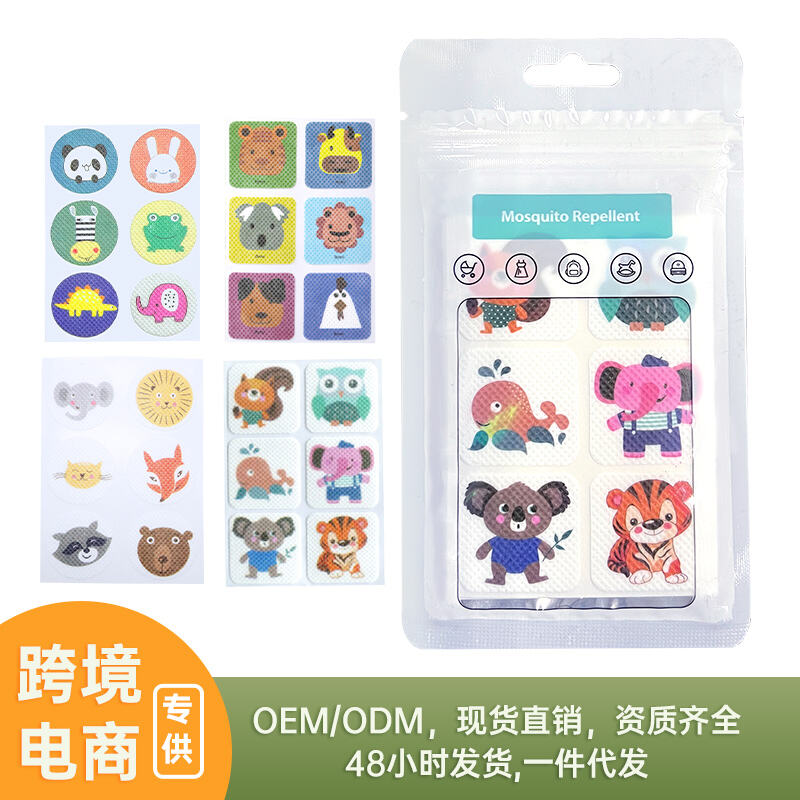
To minimize any chance of skin irritation, place the mosquito repellent patch on your toddler’s clothing—or on the stroller canopy—rather than directly on skin. A secure spot on the back of a T-shirt collar, pant leg, or fabric near the stroller’s sunshade keeps active ingredients away from delicate skin while still providing effective protection. Ensure the patch is firmly attached so it cannot be peeled off and mouthed by the child.
Duration Limits and Sensitivity Monitoring for First-Time Use
For first-time use, limit wear time to no more than four hours—even for toddlers aged two years and older. After removal, inspect the underlying skin for redness, rash, or irritation. If no reaction occurs, wear time can be gradually extended up to the manufacturer’s maximum (typically eight hours). Apply the patch in a well-ventilated area and avoid using multiple patches simultaneously during initial use. This cautious, stepwise approach helps assess individual sensitivity while ensuring reliable protection.
FAQ Section
What are the key ingredients in toddler-safe mosquito repellent patches?
Common ingredients include citronella, lemon eucalyptus, and lavender oils, which are plant-based and have minimal dermal absorption.
Why are PMD-containing patches not recommended for children under three?
PMD penetrates the skin more deeply than natural oils, and regulatory data on its safety for infants is limited.
What is the recommended placement for mosquito patches on toddlers?
Patches should be placed on clothing or stroller canopies rather than directly on the skin to minimize risk.
Is systemic absorption a concern with these patches?
No, trials have demonstrated zero systemic absorption with toddler-safe patches.
Why is the age restriction set at two months?
Regulatory bodies like the EPA have verified safety thresholds for toddlers two months and older based on toxicology and clinical studies.