 EN
EN

לעדף רכיבים פעילים רשומים על ידי הסוכנות להגנת הסביבה של ארצות הברית (EPA) לצורך ביטחון ויעילות מוכחים
DEET: הגנה אמינה עם הנחיות regarding ריכוז מתאימים לגיל (במיוחד עבור ילדים)
DEET עדיין נחשב לאופציה הטובה ביותר להדחקת יתושים, עובדה שמאושרת כבר שנים רבות על ידי הסוכנות להגנת הסביבה של ארצות הברית (EPA). בנוגע לילדים, ההורים צריכים להשתמש בריכוזים נמוכים מ-30%. האקדמיה האמריקאית לרפואת ילדים ממליצה להשתמש בריכוז DEET בין 10% ל-30% עבור ילדים בגילאי 2–12. יש ליישם אותו בזהירות על אזורים שבהם העור חשוף ועל הבגדים בלבד. אסור ליישם אותו על הידיים או הפנים. אם כי ריכוז גבוה יותר של DEET יחזיק זמן רב יותר על העור, הוא לא יעיל יותר בהדחקת החרקים. מחקרים מעידים שריכוז של כ-20% DEET מספק הגנה של כחמש שעות מפני יתושים המעבירים מחלות. ההורים חייבים להקפיד בעת יישום DEET על ילדים ולזכור לנקות כל עור שטופל באמצעות סבון רגיל ומים לאחר שחזרו לבית.
פיקארידין ו-IR3535: חלופות עם השפעה מינימלית על העור, בטוחות לילדי קייץ, המומלצות על ידי ה-CDC וה-AAP
בריכוז של 20%, פיקארידין פועל באותה יעילות כמו DEET, אך אינו פוגע בפלסטיק ואינו גורם לעכבות בעור, כפי שחלק מהאנשים חשים עם חומרים אחרים. המרכז לבקרת מחלות (CDC) ממליץ להשתמש בחומר זה עבור כל אדם מגיל חודשיים ומעלה, וכן קיים גם החומר IR3535 בריכוז דומה שנותן הגנה טובה אף הוא, אם כי לא כה חזקה. מה שהופך אותם למתאימים במיוחד לאנשים בעלי עור רגיש הוא העובדה שהם אינם מכילים את החומרים הקשיחים שגורמים לדאגה רבה. עם זאת, דחפי הדחק הסינתטיים האלה נדפים מהעור מהר יותר מאשר DEET, ולכן יש לחזור ולמשוח אותם לאחר ארבע עד שש שעות, בהתאם לתנאי הסביבה. מחקרים מראים שאם מושמים כראוי לפי הוראות היצרן, מוצרים אלו מקטינים באופן משמעותי את מספר הנשיכות על ידי יתושים, ובמבחנים מסוימים אף מקטינים אותן ב-95%.
שמן אוקליפטוס לימון (OLE) ו-PMD: יעילים אך עם הגבלות גיל מחמירות — מדוע הטענות על צמידי דחיה ליתושים אינם מוסברים
פרא-מנטאן-3,8-דיאול (PMD), המופק משמן אוקליפטוס לימון, הורשם על ידי הסוכנות להגנת הסביבה (EPA) כחומר דוחה חרקים טבעי. אך קיימת תמריץ: הוא פועל רק על ילדים מגיל שלוש שנים ומעלה. התגוננותו נמשכת כ-2–4 שעות, מה שפירושו שההורים צריכים לזכור ליישם אותו שוב מספר פעמים במהלך היום. מה שרבים לא מבינים הוא כיצד עובדות ברכות דוחות יתושים באמת. הברכות הללו מכילות לעתים קרובות שמן אוקליפטוס לימון (OLE), אך בדרך שלא אושרה על ידי סוכנויות רגולטוריות, ודאי לא מיועדת ליצירת מגע עם העור. בהשוואה לסпреיס או קרמים מורשים על ידי ה-EPA, רוב הברכות פשוט לא עומדות במבחנים מעבדתיים. הן פשוט לא מצליחות לשלוח את השפעתן הגנתית למרחק מספיק, והאופן שבו הן משחררות אדים הוא בלתי יציב ובלתי ניתן לחיזוי. לפי הנחיות אחרונות של גורמי הבריאות משנת 2023, אין לסמוך על מוצרים מסוג זה בעת ניסיון להימנע ממחלות הנגרמות על ידי יתושים. טוב יותר להיות בטוח מאשר לבקש סליחה, נכון?
השתמשו בחומרים דוחים כראוי לפי קבוצת הגיל כדי למקסם את ההגנה ולמזער את הסיכון
תינוקות מתחת לגיל חודשיים: הסתמכו אך ורק על מחסומים פיזיים ובקרת סביבה
מוצרי דחיית חרקים אינם צריכים לשמש על תינוקות צעירים מגיל חודשיים, מכיוון שהעור שלהם עדיין לא התפתח בשלמות ולא מסוגל לעבד כימיקלים כראוי. ההורים צריכים להתמקד בשיטות הגנה פיזיות במקום זאת. יש לשקול רכישת בגדים מבד עבה שמכסים את הזרועות והרגליים לחלוטין, וכן כובעים עם שוליים גדולים להגנה על הפנים. גם רשתות נגד יתושים סביב עריסות ועגלות תינוקות עובדות מצוין. כדי לשמור על סביבת הבית ללא יתושים, יש להיפטר מכל אגמים של מים עומדים בסביבה הקרובה. יש לוודא שחלונות ודלתות מצוידים במסכים טובים כדי שלא יוכלו חרקים להיכנס פנימה. מומלץ להישאר בתוך הבית בזמן שהיתושים פעילים ביותר – בין השקיעה לזריחה. מפריצות חוץ עוזרות לפזר חרקים מעופפים ומקשות עליהם לנחות על אנשים. כל הגישות המעשיות הללו פועלות היטב מבלי לחשוף את התינוקות לסיכונים כימיים או לתופעות לוואי אפשריות מהחדרה מקומית.
תינוקות וילדים גדולים: טכניקות בטוחות להפעלת סпре נגד יתושים — הימנעו מאיזור הפנים והידיים, שימוש תחת השגחה, ושטיפה בזמן
בעת הפעלת סプレー נגד יתושים, יש לשים אותו רק על שטחים של עור חשוף. לא להניח אותו מתחת לבגדים, באזור העיניים או הפה, או ישירות על הידיים הקטנות, כדי שלא יבלעו אותו בטעות או שיכנסו לעיניים. ההורים חייבים תמיד לשים את הסרן על אצבעותיהם תחילה, ורק אז להעבירו על העור של הילדים. אסור לחלוטין לאפשר לילדים לגעת בקופסה או לשחק איתה. לאחר החזרה מבפנים אחרי שהייה בחוץ, יש לשטוף כל עור שטופל בסבון רגיל ומים תוך כ־שעתיים. וזכרו לבדוק מה בטוח לגילאים השונים כאשר בודקים את התווית עבור רכיבים שאושרו על ידי הסוכנות להגנת הסביבה (EPA).
- DEET : —10% לילדים בגיל 2–12 חודשים; —30% בגיל 2–12
-
פיקארידין או IR3535 : —20% לתינוקות וילדים גדולים
להחיל מחדש רק כפי שצוין בתווית — שימוש מופרז מגביר את הספיגה העורית ללא שיפור בהגנה.
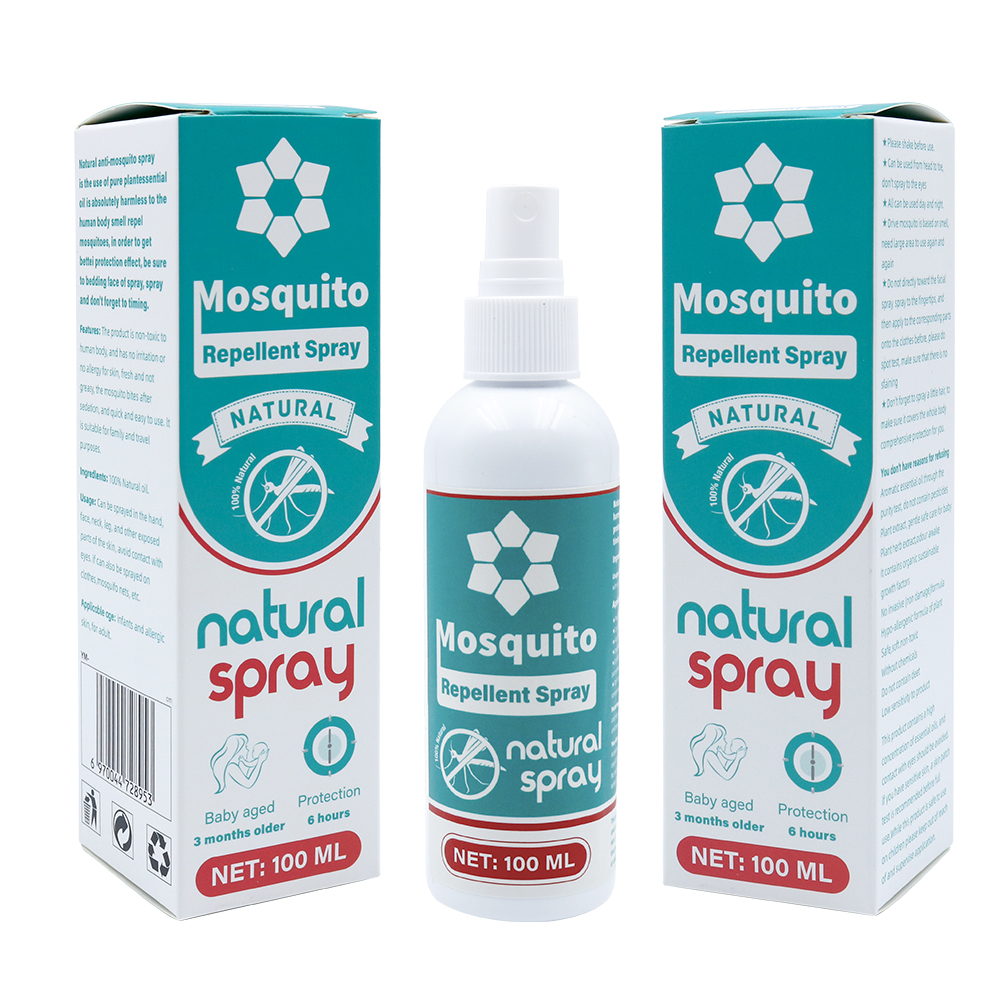
הימנע ממוצרים מסוכנים או לא אפקטיביים — במיוחד צמידי דחיקה נגד יתושים וספראים 'טבעיים' ללא רישום
למה צמידי דחיקה נגד יתושים אינם רשומים באגף להגנת הסביבה (EPA) ואינם מאומתים מדעית
צמידי דחיקה נגד יתושים מצליחים להימנע מהרשמה באגף הגנת הסביבה (EPA) מכיוון שהם נמכרים כפריטי אופנה ולא כמכשירי שליטה במזיקים, למרות שרובם מצהירים על יכולתם להרחיק חרקים. סוכנות הגנת הסביבה דורשת בפועל בדיקות מעבדה מוצקות וניסויים בשטח אמיתיים לפני שאישרה כל מוצר המיועד לעצור חרקים המפיצים מחלות. צמידים אלו פשוט אינם עומדים בדרישות הללו. לרוב הם מספקים הגנה רק על מרחק של כארבעה אינץ' סביב הרסן, מה שמושיר את רוב העור שלנו חשוף. כבר בשנת 2016, מומחים מאיגוד הבקרת היתושים האמריקאי הדגישו שלא קיימת כמעט כל מחקר שתומך בייעילותם של מוצרים אלו. מה שאנחנו כן יודעים הוא די מטריד. בדיקות מראות שהשומנים בצמידים אלו מאבדים את עוצמתם במהירות רבה, ובעיקר יורדים מתחת לרמה הדרושה להגנה תוך חצי שעה. עובדה זו יוצרת בעיה חמורה של אמון לא מוצדק, במיוחד באזורים שבהם וירוסים כמו וסט ניל פעילים.
דגלים אדומים בשיווק: תערובות של שמן נפיח לא מאומתות, מתכונים ליצירת חומרים נגד יתושים ביתיים וקומבינציות של קרם הגנה מהשמש וחומר נגד יתושים
היו זהירים מנקודות אזהרה שיווקיות נפוצות אלו:
- ספרסים "טבעיים" לא רשומים שהכוללים תערובות של שמן צמחי לא מובררים (למשל, לבנדר-פלגמון) שנותנים — 10 דקות הגנה — ואין עליהם נתוני בטיחות שעברו ביקורת על ידי הסוכנות להגנת הסביבה (EPA)
- מתכונים ביתיים לחומרים נגד יתושים שיכולים לגרום לכוויות כימיות עקב שמן נפיח מרוכז או לתופעות רעילות כתוצאה מאינטראקציות בין הרכיבים
-
מוצרים המשלבים קרם הגנה מהשמש וחומר נגד יתושים שמעודדים את השימוש המוגזם בחומרים נגד יתושים בעת החזרה על הפעלת קרם הגנה מהשמש מדי שעה, בהתאם להנחיות הרשות למזון והתרופות (FDA)
הרשות למזון והתרופות (FDA) אוסרת טענות על יעילות שלא הוכחו, ובכל זאת רבים מצעצי היד ה"ירוקים" מכילים סינרגיסטים סינתטיים לא מפורטים, כגון פיפרוניל בוטוקסיד — מחזק נוירוטוקסי שהוזכר ב כתב העת לדרמטולוגיה פדיאטרית (2023). יש תמיד לבדוק את קיומו של מספר רישום של הסוכנות להגנת הסביבה (EPA) על אריזת המוצר לפני הקנייה או השימוש.
שאלות נפוצות
מהו דוחן יתושים הבטוח ביותר לתינוקות וילדים קטנים?
לתינוקות וילדים קטנים מומלץ להשתמש בדוחנים מאושרים על ידי הסוכנות להגנת הסביבה (EPA), כגון DEET בריכוזים של 10%–30%, או פיקארידין ו-IR3535 בריכוז של 20%.
האם צמידי דחיה לייתושים יעילים?
לא, רוב צמידי הדחיה לייתושים אינם מספקים הגנה אמינה ואינם מאושרים על ידי הסוכנות להגנת הסביבה (EPA).
באיזו תדירות יש לשים מחדש דוחני חרקים?
דוחני חרקים צריכים להשתמר כל 4–6 שעות, כמתואר על התווית. שימוש יתר אינו מגביר את היעילות ועשוי להגביר את הספיגה העורקית.
האם ניתן לשלב דוחני חרקים עם קרם הגנה מהשמש?
איננו ממליצים לשלב דוחני חרקים עם קרם הגנה מהשמש. קרם הגנה מהשמש דורש השמה חוזרת בתדירות גבוהה, מה שגורם לשימוש יתר בדוחנים.