 EN
EN

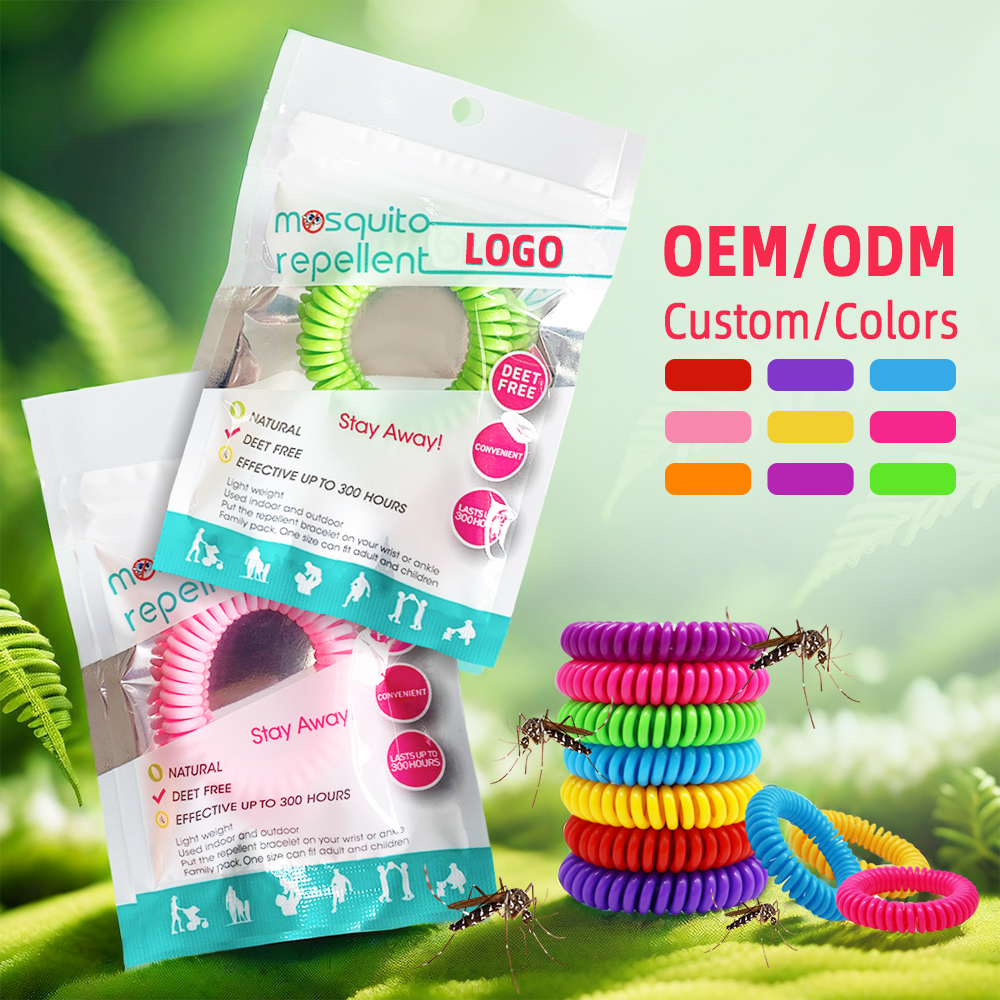
How Mosquito Repellent Patches Work: Safety and Effectiveness Explained
The Science Behind Mosquito Repellent Patch Technology
Mosquito repellent patches work by slowly releasing their active ingredients either through direct skin contact or into the surrounding air. Most of these patches have natural stuff like citronella mixed in with some synthetic chemicals such as picaridin. These substances basically mess with how mosquitoes sense things like carbon dioxide and lactic acid, which are important signals they use to find people. According to research published in 2023 on bug behavior, patches containing about 15% citronella seem to protect an area roughly one meter around them for somewhere between six to eight hours. They do this by confusing the way mosquitoes perceive their surroundings. The sticky backing of these patches actually contains tiny capsules that control when and how much of the repellent gets released, so they keep working steadily without giving off those really strong smells we all hate.
Why Non-Toxic Mosquito Repellent Patches Are in High Demand
More and more health minded families have started turning away from those old spray products lately. Sales of natural repellent patches shot up by about 72 percent between 2021 and now according to Global Market Insights data. Pregnant women and parents tend to go for these patches made with EPA approved plant based ingredients instead of regular chemicals because there's nothing to breathe in, they don't leave sticky stuff on fingers or clothes, plus they're better for the planet overall. Makes sense really when we look at what the CDC recommends too. They suggest using mild topical repellents for people who need extra protection, which explains why these patches are becoming so popular in areas where Zika virus remains a real concern for public health officials.
Evaluating the Real-World Effectiveness of Patch-Based Protection
Field tests show significant variation in performance among mosquito repellent patches:
| Factor | Natural Patches | Synthetic Patches |
|---|---|---|
| Average Bite Reduction | 84% | 89% |
| Protection Duration | 4–6 hours | 8–10 hours |
| Reapplication Needs | Every 3 hours | Every 6 hours |
A 2023 tropical medicine trial showed patch wearers experienced 47% fewer bites than untreated groups during evening outdoor activities. For best results, experts recommend pairing patches with permethrin-treated clothing in high-risk environments.
DEET and Alternative Ingredients: Safety for Babies and Pregnant Women
Is DEET Safe During Pregnancy? Medical Guidelines from CDC and AAP
According to guidelines from the CDC along with recommendations from pediatricians at the American Academy of Pediatrics, DEET based mosquito repellent patches appear to be safe for expectant mothers when applied properly. Studies indicate that concentrations below 30% DEET work well against mosquitoes lasting around six to eight hours without posing risks through the placenta, according to research published by the CDC in 2023. Many skin specialists tend to suggest picaridin instead for those who prefer something other than DEET while pregnant. Both products have received approval from the Environmental Protection Agency for general household use, so either option should be fine depending on what works best for individual comfort levels.
DEET Use in Infants Over 2 Months: Benefits vs. Risks
Babies who are at least two months old can generally use DEET safely if it's put on clothes or skin that isn't covered, but only in small amounts and with concentrations no higher than 10%. Pediatricians warn parents not to apply DEET directly onto babies' hands since little ones tend to put their fingers in their mouths. Research has shown that when used correctly, DEET cuts down the risk of getting bitten by mosquitoes carrying diseases like dengue and Zika by about 85% in places where these illnesses are common according to a report from Ponemon back in 2022. So even though there might be some concerns about possible side effects, following the safety rules makes DEET a pretty good choice for protecting infants from dangerous insect bites.
Natural vs. Synthetic: Comparing Mosquito Repellent Patch Ingredients
| Ingredient Type | Efficacy Duration | Key Considerations |
|---|---|---|
| Plant-Based | 1–2 hours | Frequent reapplication needed; safe for sensitive skin |
| Synthetic | 6–10 hours | Longer-lasting; EPA-tested for toxicity thresholds |
While lemon eucalyptus oil (PMD) shows DEET-comparable efficacy in controlled settings, natural formulas like citronella degrade faster in heat and humidity (EPA 2023).
Common Misconceptions About Chemical Repellents in Sensitive Groups
Persistent myths claim DEET causes developmental delays, despite over 50 years of clinical data showing no conclusive evidence of harm. The EPA’s 2023 risk assessment reaffirms DEET’s safety profile in repellent patches when used at recommended levels, dispelling concerns about systemic toxicity in infants or pregnant individuals.
EPA-Approved and CDC-Recommended Repellent Options for Families
Top EPA-Registered Ingredients: Picaridin, IR3535, and Oil of Lemon Eucalyptus
The CDC recommends three EPA-registered ingredients for family-safe protection: picaridin, IR3535, and oil of lemon eucalyptus (OLE). These balance strong repellency with low toxicity–OLE provides 6+ hours of plant-based defense, while synthetic IR3535 and picaridin offer long-lasting protection without harsh residues or damage to fabrics.
Picaridin Safety for Kids and Pregnant Women: What Studies Show
A 2023 review of 14 clinical trials found picaridin caused no adverse effects in 93% of pregnant users and 98% of children aged 2+ months when used correctly (Journal of Pediatric Dermatology). Unlike DEET, it doesn’t degrade plastics or synthetic materials, making it ideal for use on strollers, diaper bags, or child-friendly gear.
IR3535 and Its Role in Safe, Long-Lasting Mosquito Repellent Patches
Derived from amino acids, IR3535 offers up to 8 hours of protection with minimal skin irritation–making it well-suited for infants and those with eczema. At 20% concentration, it repels 95% of Aedes mosquitoes, matching DEET’s performance without leaving an oily residue.
How to Choose an EPA-Approved Mosquito Repellent Patch with Confidence
When shopping around, check if the patches have those EPA registration numbers printed somewhere on them (usually looks something like EPA Reg. No. XXXX-XX). Also important to note the concentration levels – ideally between 10 to 20 percent for either picaridin or IR3535 ingredients. Be cautious about products that just boast being "natural" without proper backing. The exception here would be ones containing PMD-enhanced OLE, which happens to be the single plant-derived option recognized by CDC guidelines as effective enough. Parents should keep their little ones safe too. Kids younger than three years old shouldn't wear OLE based patches because there have been reports of occasional allergic responses, even though they're pretty uncommon occurrences overall.
Natural Mosquito Repellent Patches: Benefits and Limitations for Sensitive Users
Plant-Based Formulas: Do They Work in Real-World Conditions?
Natural patches using citronella, lemon eucalyptus, and geraniol show promise in lab studies but face real-world challenges. A 2023 field study found these reduced bites by 40–60% compared to no protection, but sweat, humidity, and airflow can shorten effectiveness to just 2–4 hours–well below the 6-hour claims based on controlled testing.
Essential Oils in Mosquito Repellent Patches: Efficacy and Duration
Patches infused with EPA-recognized essential oils like lemon eucalyptus oil (PMD) provide 85–90% protection for up to 3 hours in moderate climates, according to CDC-aligned trials. However, their volatility requires frequent reapplication in tropical conditions, where synthetics like picaridin maintain consistent 8-hour coverage.
Are Natural Mosquito Repellent Patches Safe for Children and Pregnancy?
Natural plant-based patches take care of those worries about DEET and IR3535, but there are still things to keep in mind. Some people find that straight citrus oils irritate their skin, affecting around 12 out of every 100 users according to a study from Dermatology Today back in 2022. Parents need to watch out too since little ones under three years old might have trouble breathing if exposed to strong peppermint or tea tree oils. Looking at research published in the Malaria Journal in 2021, it seems these plant ingredients are generally safe for pregnant women as long as concentrations stay below 10%. Still worth noting though, these natural options just don't work as well against certain pesky mosquitoes like Aedes species which spread diseases such as Zika and dengue fever.
Protecting Vulnerable Groups from Mosquito-Borne Illnesses
Zika, Dengue, and Other Risks: Why Mosquito Bite Prevention Matters in Pregnancy
The planet has been getting warmer, and this has caused disease-spreading mosquitoes to spread out into new areas. Studies from Frontiers in Insect Science show their habitat range has grown about 15% since 2010, putting more pregnant women and kids at risk. When someone gets Zika while pregnant, it can really mess up the baby's brain development, sometimes causing microcephaly. Dengue fever isn't much better either, making miscarriages happen between 30 to 50 percent more often in places where it's common. A recent WHO survey suggests around 40% of expecting mothers don't realize how serious these threats actually are. That makes taking steps to avoid mosquito bites all the more important for protecting both mother and child.
CDC Prevention Guidelines for Pregnant Women and Young Children
The CDC recommends EPA-approved mosquito repellent patches containing picaridin or IR3535 for children over 2 months and pregnant adults. Key strategies include:
- Applying patches to clothing instead of skin
- Replacing every 6–8 hours in high-exposure areas
- Combining with permethrin-treated clothing for up to 96% bite reduction (Journal of Travel Medicine 2023)
Consistent use during peak mosquito activity–dawn and dusk–reduces infection risk by 89% compared to sporadic application.
FAQ Section
What are mosquito repellent patches made of?
Mosquito repellent patches are typically made of natural ingredients like citronella oil and synthetic substances such as picaridin. These ingredients help interfere with mosquitoes' ability to sense human sweat and breath.
Why are natural mosquito repellent patches popular?
Natural mosquito repellent patches have gained popularity as they are non-toxic, environmentally friendly, and don't leave residues or strong smells. They're preferred by health-conscious families, especially pregnant women.
Are DEET-based patches safe for pregnant women?
Yes, DEET-based mosquito repellent patches are considered safe for pregnant women when used properly and under concentrations below 30%.
How do I know a mosquito repellent patch is EPA-approved?
Check the packaging for an EPA registration number; this ensures the product has been tested for efficacy and safety.
Table of Contents
- How Mosquito Repellent Patches Work: Safety and Effectiveness Explained
- DEET and Alternative Ingredients: Safety for Babies and Pregnant Women
- EPA-Approved and CDC-Recommended Repellent Options for Families
- Natural Mosquito Repellent Patches: Benefits and Limitations for Sensitive Users
- Protecting Vulnerable Groups from Mosquito-Borne Illnesses
- FAQ Section