 EN
EN

Understanding Fruit Fly Infestations in the Kitchen
Why fruit fly infestations are common in modern kitchens
Kitchen spaces today basically become breeding grounds for fruit flies because they offer so much food along with plenty of moisture. Studies done at Nebraska's university last year showed how these little bugs love hanging out around overripe fruits, sticky messes left on counters, and wet bits of old food stuck somewhere. Just think about it one female laying around 500 eggs per week? That's why their numbers can jump so fast when conditions are right. We've all seen what happens with those open compost containers sitting outside, fruit displayed in bowls without covers, or those damp cloths we leave soaking in sinks. All these spots double as places where they eat and reproduce, which means an infestation can start taking over pretty quickly if not addressed.
What attracts fruit flies: Rotting fruit, sugar, and fermenting liquids
Fruit flies are highly sensitive to fermentation odors, detecting them within hours—even from overripe bananas or spilled wine. Key attractants include:
- Rotting produce: Decaying fruits release ethyl acetate, a compound that can be sensed by fruit flies from great distances
- Sugar residues: Sticky countertops or unwashed containers with sugary residue attract adult flies seeking quick energy
- Moist organic sludge: Drainpipes with trapped food particles replicate their natural wetland habitats
To minimize attraction, store perishables in sealed containers and wipe down surfaces immediately after use.
Real-world cases: Kitchens overwhelmed by unsealed produce and damp drains
In 2023, someone found their home completely overrun with fruit flies because they left some peaches out on the counter and didn't clean their sink drain properly. The pests were everywhere within just three days, with little wriggling larvae hiding in the dishwasher filter and even showing up in the recycling bin. Another place that struggled was a local coffee shop where managers kept having problems until they finally got serious about cleaning those floor drains and started putting lemons and limes in the fridge instead of letting them sit around on display. What these situations show is that small mistakes when it comes to keeping things clean can quickly turn into major pest problems nobody wants to deal with.
How Vinegar-Based Fruit Fly Traps Work
Apple Cider Vinegar as a Powerful Fruit Fly Attractant
Apple cider vinegar effectively mimics the scent of fermenting fruit, thanks to its acetic acid content—exactly what fruit flies seek for breeding and feeding. A 2023 study showed traps using apple cider vinegar captured 72% more fruit flies than water-only controls, confirming its superior appeal.
Dish Soap’s Role in Breaking Surface Tension to Trap Fruit Flies
Vinegar works great at attracting those pesky fruit flies, but it's actually the dish soap that keeps them from getting away. When added to the mixture, the soap lowers the surface tension so much that when flies land on it, they just sink right down instead of walking around on top like normal. Some studies done last year by bug experts showed pretty impressive results too. They mixed together about a quarter cup of apple cider vinegar with just three tiny drops of regular dish soap and watched what happened. Out of all the flies that came near, almost nine out of ten ended up trapped in the solution. That makes for a really effective homemade trap without needing any fancy equipment or chemicals.
Vinegar vs. Alcohol: Comparing Bait Effectiveness in DIY Traps
| Bait Type | Attraction Rate | Longevity | Setup Complexity |
|---|---|---|---|
| Apple cider vinegar | High | 5-7 days | Low |
| Rubbing alcohol | Moderate | 2-3 days | Medium |
| Red wine | High | 3-4 days | High |
Vinegar outperforms alcohol due to slower evaporation and broader sensory appeal. While alcohol may work for short-term, localized issues, vinegar's fermentation-mimicking properties make it better suited for ongoing kitchen control.
DIY vs. Commercial Fruit Fly Trap Solutions
Building an effective small fruit fly trap using jars, plastic wrap, and vinegar
Alternative homemade designs: Funnel traps and gel bait containers
Paper cone funnels inserted into bottles create one-way entry systems that exploit fruit fly behavior. Gel-based baits in reusable containers offer extended performance, especially near trash cans or compost areas where persistent odor is needed.
Top commercial options: TERRO, electric traps, and sticky pod systems
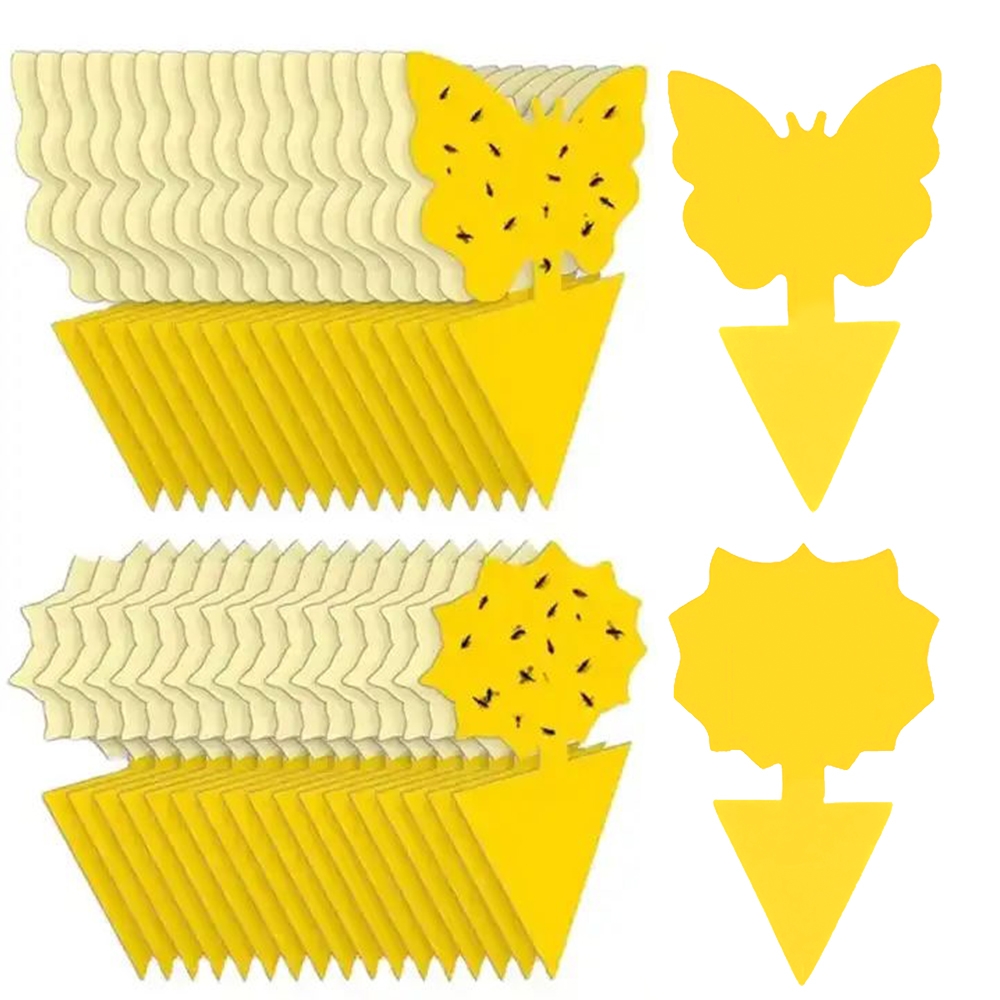
Commercial solutions like TERRO use proprietary lures in sealed units for longer-lasting, mess-free operation. Electric models employ UV light to attract flies before trapping them mechanically, while adhesive pods capture pests on contact without liquids.
Performance comparison: Capture rates and longevity of DIY vs. store-bought traps
| Feature | Homemade Traps | Commercial Traps |
|---|---|---|
| Initial Effectiveness | Moderate (60-75%) | High (85-95%) |
| Longevity | 3-5 days | 2-4 weeks |
| Maintenance | Daily bait replacement | Pre-filled cartridges |
| Cost Efficiency | $0.10-$0.50 per use | $1.50-$4.00 per unit |
Although DIY traps are effective for sudden outbreaks, commercial options last up to three times longer and maintain consistent performance with minimal upkeep. Their enclosed designs also prevent odor dispersion, a common drawback of open vinegar traps.
Optimal Placement and Maintenance for Long-Term Control
Strategic locations: Placing fruit fly traps near sinks, countertops, and produce storage
Position traps within 3 feet of high-risk zones such as sink drains—where 62% of fruit flies breed—and fruit storage areas. Research from 2023 found that traps placed near active fermentation sources caught 73% more flies than those located in less active areas like pantries.
When and how to replace or clean your fruit fly trap
Replace vinegar-based baits every 48 hours, as evaporation reduces ethanol concentration by up to 40% daily, diminishing effectiveness. For reusable traps, scrub weekly with baking soda to neutralize lingering odors that might repel new insects.
Avoiding the rebound effect: Why traps fail without proper kitchen hygiene
Traps alone reduce active populations by 89%, but cannot stop new generations from emerging. The National Pest Management Association notes that over half of reinfestations occur when unrefrigerated produce remains exposed or improperly stored. Sustainable control requires pairing trapping with rigorous sanitation—sealing food, cleaning drains, and eliminating moisture buildup.
FAQ
What is the main reason behind fruit fly infestations in kitchens?
The main reason for fruit fly infestations in kitchens is the availability of food and moisture, ideal conditions for them to breed and multiply rapidly.
How can I effectively get rid of fruit flies using vinegar?
Mix apple cider vinegar with a few drops of dish soap. The vinegar attracts the fruit flies, while the dish soap eliminates surface tension, trapping the flies.
Are homemade traps effective compared to commercial ones?
Homemade traps are effective for short-term outbreaks, but commercial traps tend to last longer and provide consistent performance with less maintenance.
What steps should be taken to prevent fruit fly reinfestation?
Prevent reinfestation by storing produce properly, maintaining rigorous sanitation, cleaning drains, and eliminating moisture buildup in the kitchen.
Table of Contents
- Understanding Fruit Fly Infestations in the Kitchen
- How Vinegar-Based Fruit Fly Traps Work
- Apple Cider Vinegar as a Powerful Fruit Fly Attractant
- Dish Soap’s Role in Breaking Surface Tension to Trap Fruit Flies
- Vinegar vs. Alcohol: Comparing Bait Effectiveness in DIY Traps
- DIY vs. Commercial Fruit Fly Trap Solutions
- Optimal Placement and Maintenance for Long-Term Control
- FAQ